Skip to content
  • Home
  • About me
  • Get Involved
  • Donate
Exposing Imperial Japan

Exposing Imperial Japan

Viewing the suffering of colonized people through the lens of the colonizer's propaganda

  • Home
  • About me
  • Get Involved
  • Donate
April 1945 Seoul dining: the public endured...
Wartime news coverage of Prince Yi Un...
Imperial Japanese Army finally acknowledges Korea’s imminent...
In Japan-occupied Korea, Koreans often spoke Japanese...
Imperial Japanese PSA ordering residents to avoid...
Propaganda story about a Japanese couple in...
A Japanese author took a Busan-Seoul train...
Minakai Department Store in Seoul featured a...
The Sulemans were a Russian Tatar refugee...
Governor Koiso told Korean conscripts in Imperial...
Korean candidate defiantly ran for office in...
In October 1943, 200 Seoul high school...
Koreans generally used to make their own...
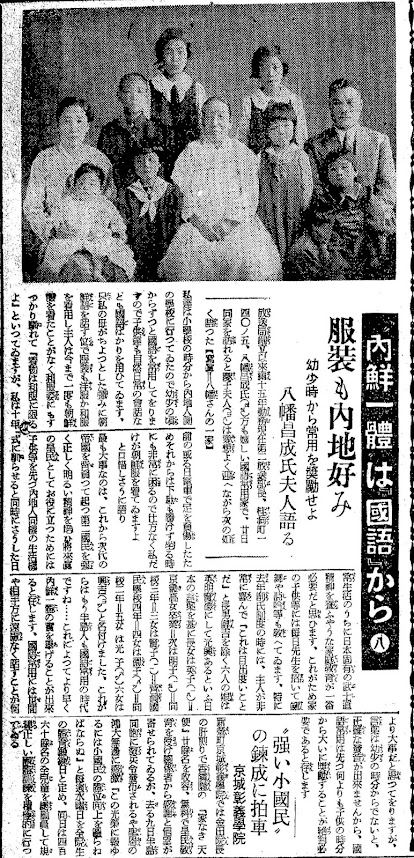
As a child, one Korean father was...
The Korean people were allegedly descendants of...

Month: January 2025

Model Korean Family

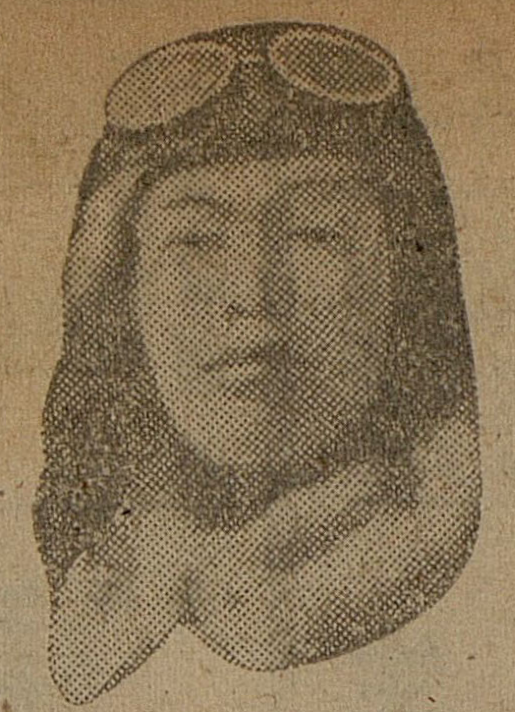
Lim Jangsu (림장수, 林長守) was a Korean Kamikaze pilot who died in a suicide attack on US navy vessels in the Philippines on Dec. 7, 1944; he was from Yeomju-eup near Sinuiju

2025-01-31

605

1067

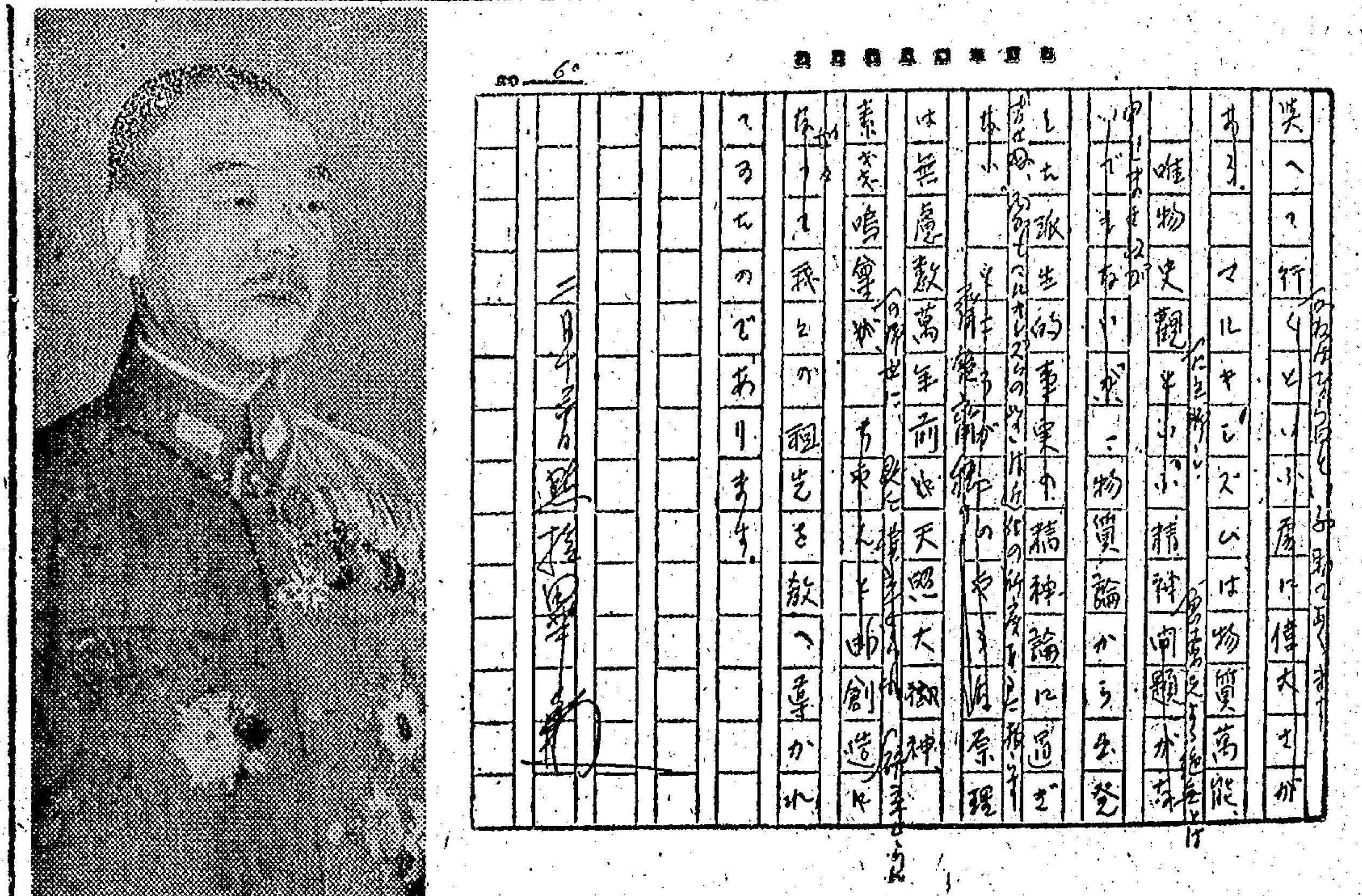
These two Imperial propaganda news articles from January 1945 cover an ethnic Korean kamikaze pilot, Lim Jangsu (林長守), who died

Read More
Model Korean Family

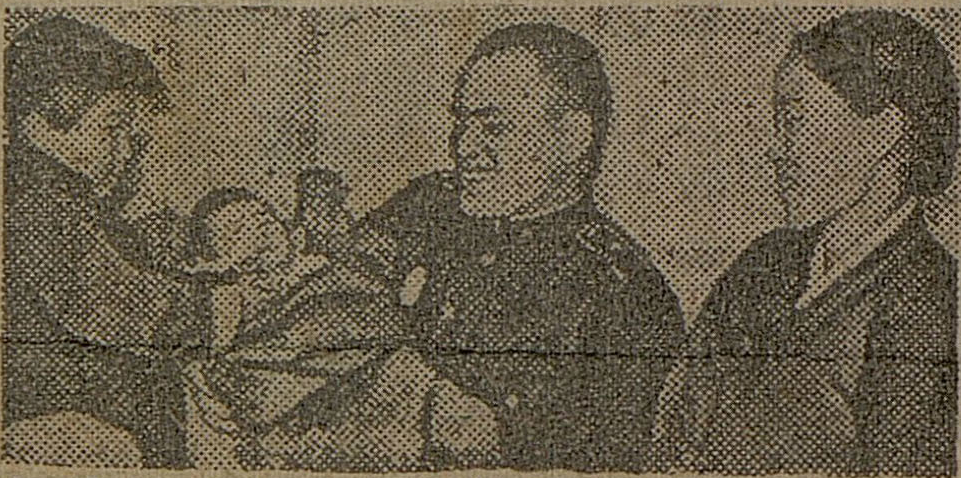
‘Selfless’ Imperial Japanese policeman visits pregnant Korean mother daily and delivers her baby after forcing her husband into Imperial war service: a 1945 ‘heartwarming’ propaganda tale

2025-01-26

471

1410

In the waning days of Japanese colonial rule in January 1945, a propaganda article was published in the Keijo Nippo

Read More
Korean Royal Family

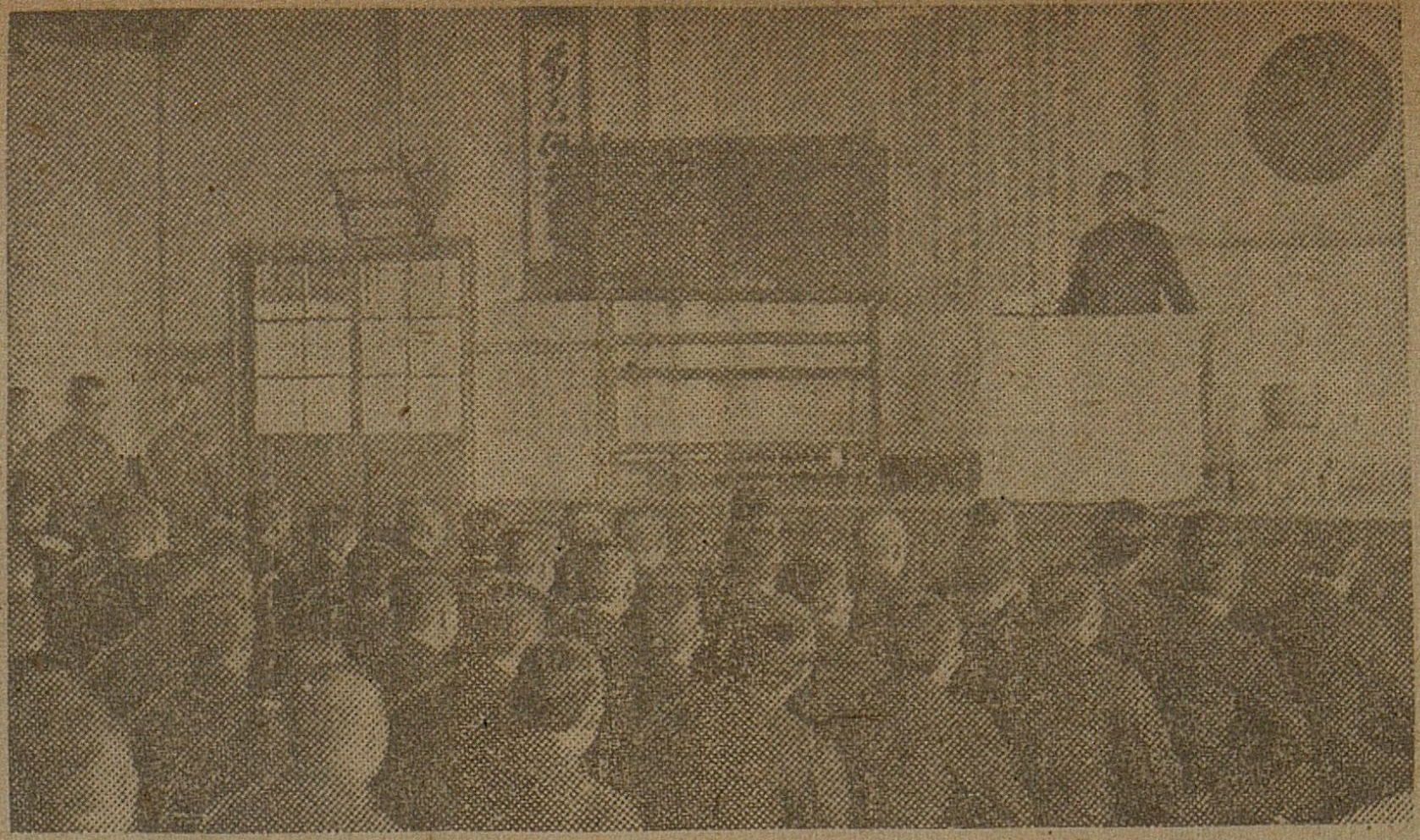
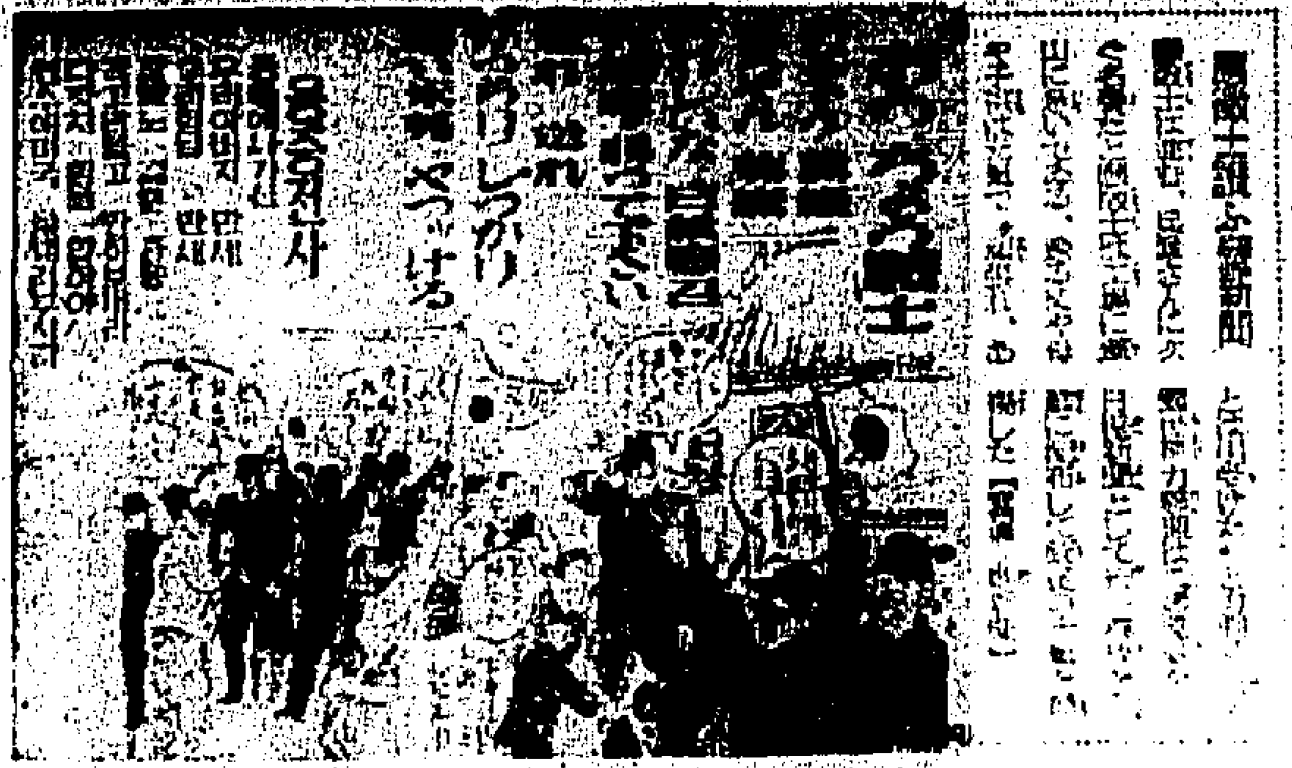
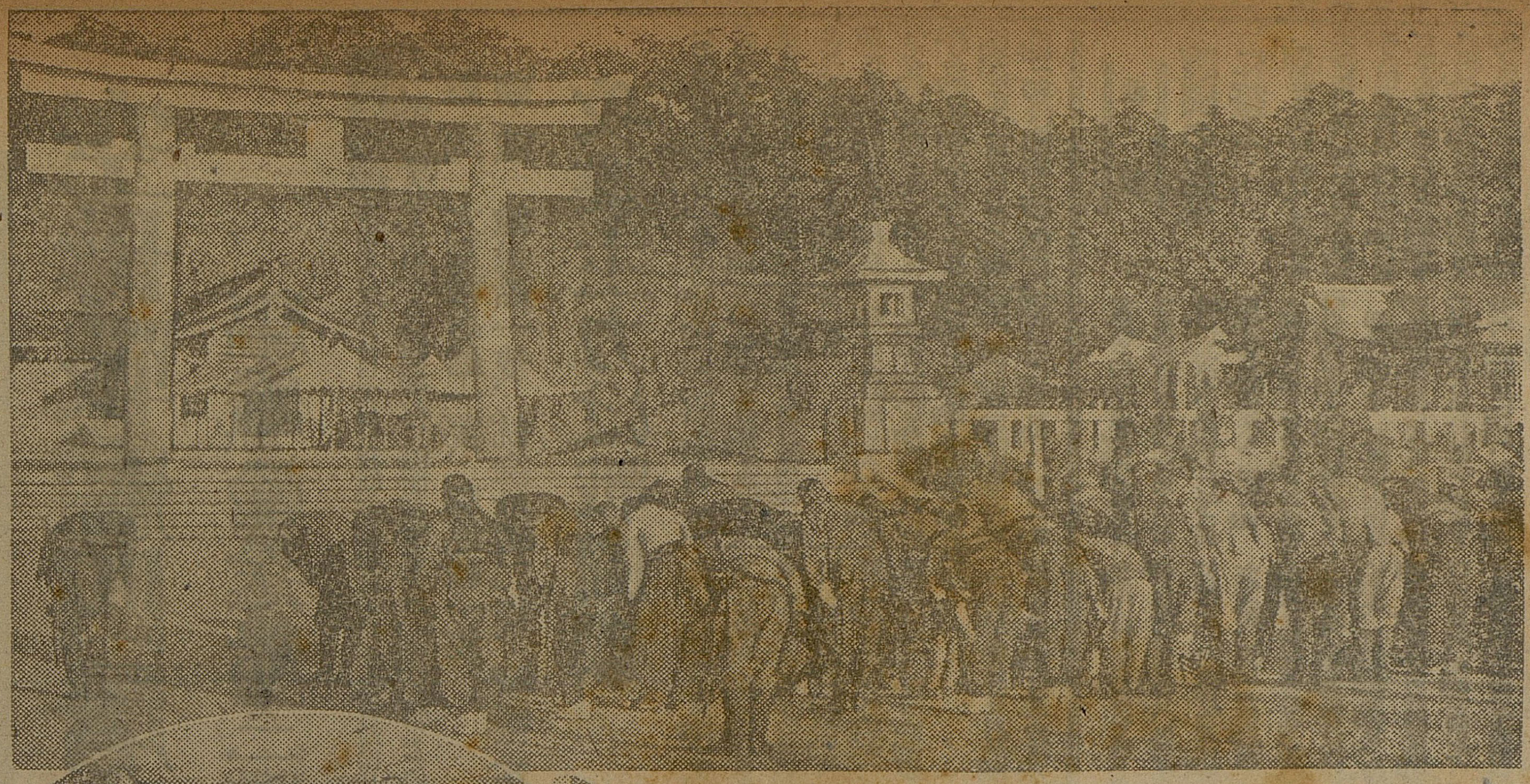
When all of Korea was forced to bow to Yasukuni Shrine to worship Imperial Japan’s war dead as gods: a chilling moment at 9:15 AM on October 23, 1944

2025-01-20

549

1770

On October 23, 1944, during one of the darkest chapters of Imperial Japanese colonial rule over Korea, the entire peninsula

Read More
Philosophy

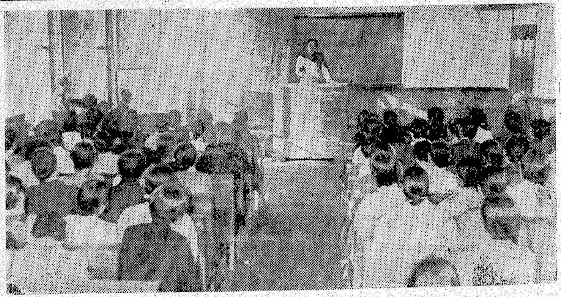
How Imperial Japan used the Shinto holy book ‘Nihon Shoki’ to justify colonizing Korea: a look at Koiso’s 1944 anti-Chinese, anti-American, anti-Communist youth rally

2025-01-13

545

1905

In the following January 1944 speech to Korean conscripts, Governor-General Kuniaki Koiso advanced his theory that Koreans and Japanese shared

Read More
Military

Koreans faced up to 10 years in prison and 50,000 yen in fines for not submitting their personal platinum items to the Imperial Navy by Jan. 31, 1945

2025-01-06

510

1297

In the closing months of 1944, the Imperial Japanese Navy escalated its efforts to extract resources from Korea to fuel

Read More

Recent Posts

  • Nazi German community in Seoul December 1941 celebrating Imperial Japan’s declaration of war
  • Wartime rations often vanished amid corrupt neighborhood leadership, leading to so much public anger that Imperial officials pleaded, ‘let us avoid becoming emotional with one another’ (Feb. 1945)
  • Inside the 1943 Seoul Crackdown on ‘Demonic Music’: Imperial Japan’s Campaign to Purge American and British Records, From Hawaiian Jazz to Dvořák, but German music (Beethoven, Mozart, Bach) and Italian music (Verdi) were allowed
  • How Imperial Japan spun a dead Korean industrial accident victim into a wartime hero: ‘Follow in the spirit of Mr. Lim!’, ‘The flower of the workplace!’ at Tōyō Metal in Sinuiju (October 1, 1943)
  • Rule by Fear: How Imperial Japan Expanded the Death Penalty and Toughened Sentences in Wartime Korea – Crackdowns on Protesters After Just One Warning (February 1944)

Recent Comments

  • vong quay on Imperial officials fanned out across rural Korea visiting townships one by one to indoctrinate villagers in Imperialist ideology in ‘Grassroots Penetration’ Campaign (March 1944)
  • act-two on Koiso’s 1943 ‘Great Leader’ Strongman Tours: Surprise village inspections to intimidate local leaders and impose Japanese language and culture all over the Korean countryside
  • laser marking machine on Koiso’s 1943 ‘Great Leader’ Strongman Tours: Surprise village inspections to intimidate local leaders and impose Japanese language and culture all over the Korean countryside
  • zorse on April 1945 Seoul dining: the public endured price-gouging and scraps, while privileged Japanese and Korean collaborator elites drank and feasted behind closed doors

Archives

  • December 2025
  • November 2025
  • October 2025
  • September 2025
  • August 2025
  • July 2025
  • June 2025
  • May 2025
  • April 2025
  • March 2025
  • February 2025
  • January 2025
  • December 2024
  • November 2024
  • October 2024
  • September 2024
  • August 2024
  • June 2024
  • May 2024
  • April 2024
  • March 2024
  • February 2024
  • January 2024
  • December 2023
  • November 2023
  • October 2023
  • September 2023
  • August 2023
  • July 2023
  • June 2023
  • May 2023
  • April 2023
  • March 2023
  • February 2023
  • January 2023
  • December 2022
  • November 2022
  • October 2022
  • September 2022
  • August 2022
  • July 2022
  • June 2022
  • May 2022
  • April 2022
  • March 2022
  • February 2022
  • January 2022
  • December 2021
  • November 2021

Meta

  • Log in
  • Entries feed
  • Comments feed
  • WordPress.org

Categories

  • Agriculture
  • Business
  • Christianity
  • Clothing
  • Comfort Women
  • Currency
  • Daily Life
  • Education
  • Entertainment
  • Food
  • Food Shortages
  • Foreign Residents
  • Imperial Way
  • Internment Camp
  • Japanese Language
  • Korean Royal Family
  • Korean Workers
  • Medical
  • Military
  • Model Korean Family
  • Moment of Silence
  • Philosophy
  • Police
  • Post-Liberation
  • Press
  • Prisoners of War
  • School
  • Travel
  • Uncategorized
  • University

Pages

  • About me
  • Donate
  • Get Involved
  • Imperial Japanese penal official said Korean 'ideological criminals' (independence activists) were 'not well made as human beings', but 'if only their thoughts could be corrected, then they will get better' so they can be 'used' for wartime labor, but 'this is not the case with ordinary criminals'
  • Nostalgia for Imperial Japan and its undercurrents in Kishi Nobusuke's legacy in postwar Japan, in Park Chung-hee and Chun Doo-hwan's legacy in South Korea, and why access to wartime newspapers of Japan-occupied Korea is important to combat historical misinformation by the far-right in both countries
  • Simon Young Kim (김영근), a South Korean violin virtuoso and disciple of famous violinist Jascha Heifetz, Simon was once my teacher and mentor, and his son was my best friend in elementary school
Exposing Imperial Japan
Designed & Developed by WpTheme Space