Skip to content
  • Home
  • About me
  • Get Involved
  • Donate
Exposing Imperial Japan

Exposing Imperial Japan

Viewing the suffering of colonized people through the lens of the colonizer's propaganda

  • Home
  • About me
  • Get Involved
  • Donate
By December 1943, poultry was unavailable anywhere...
Colonial authorities discussed how to reduce prenatal/infant...
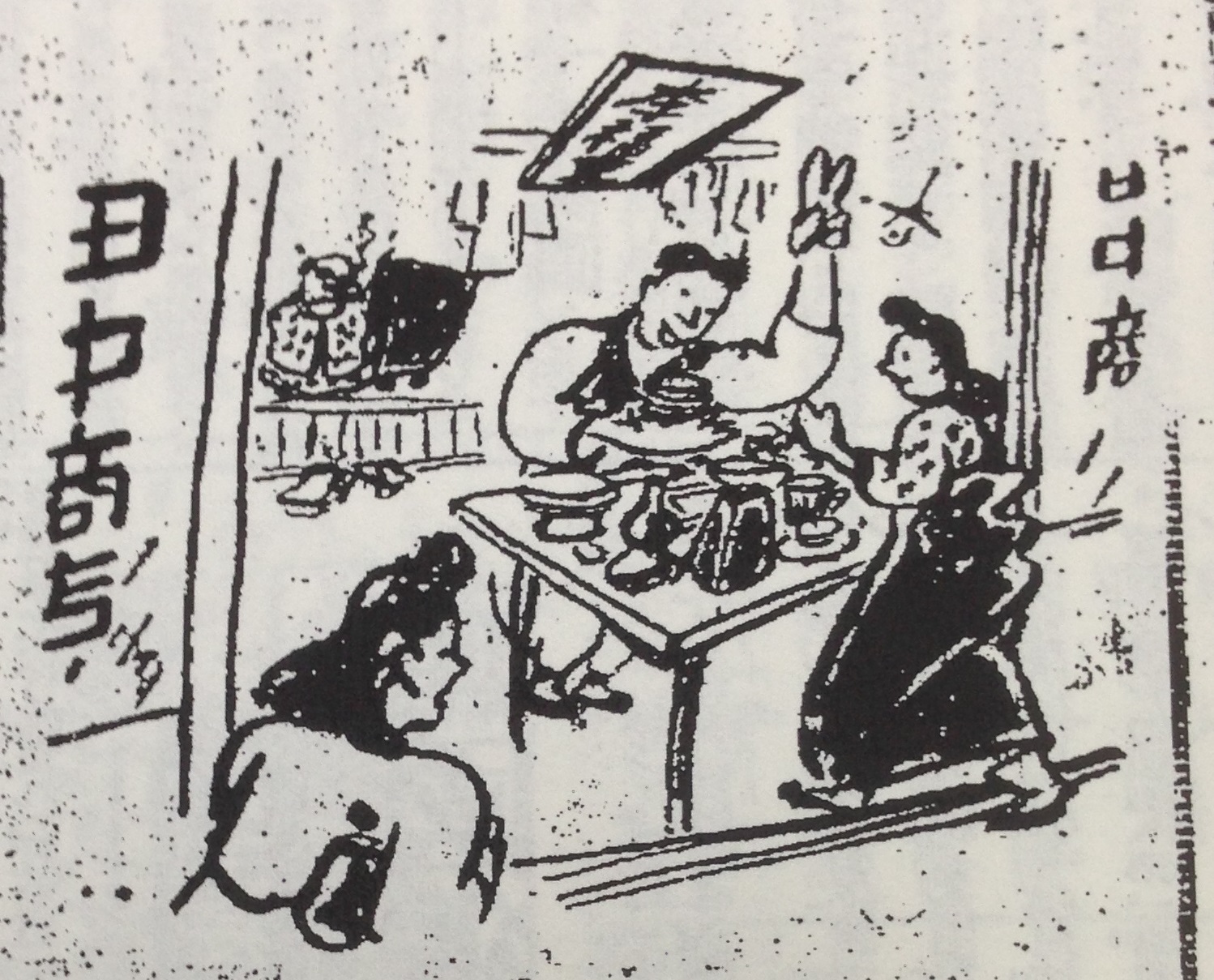
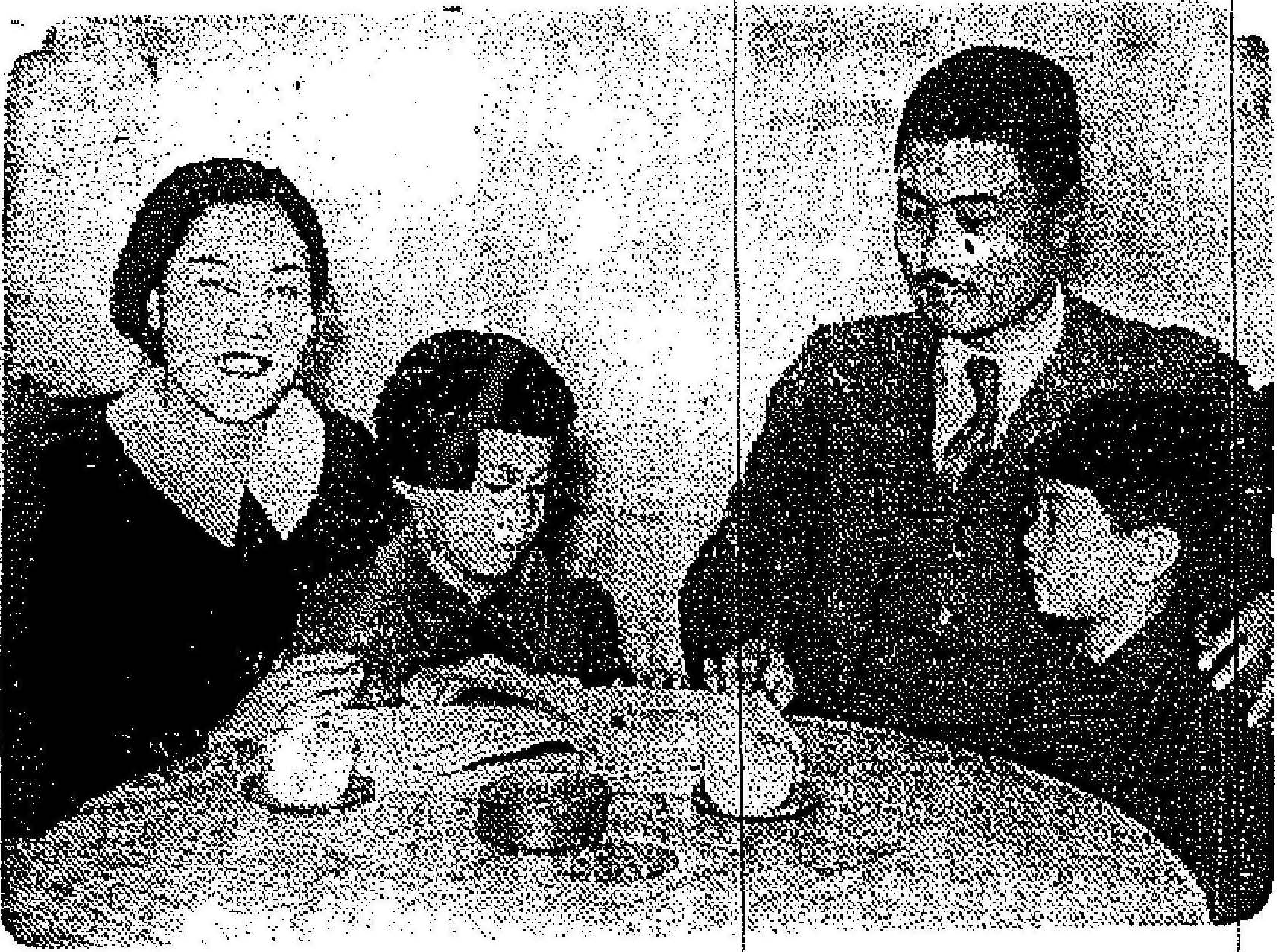
This Korean family donated their metallic tableware...
In 1942, one pro-Imperial Japan Korean family...
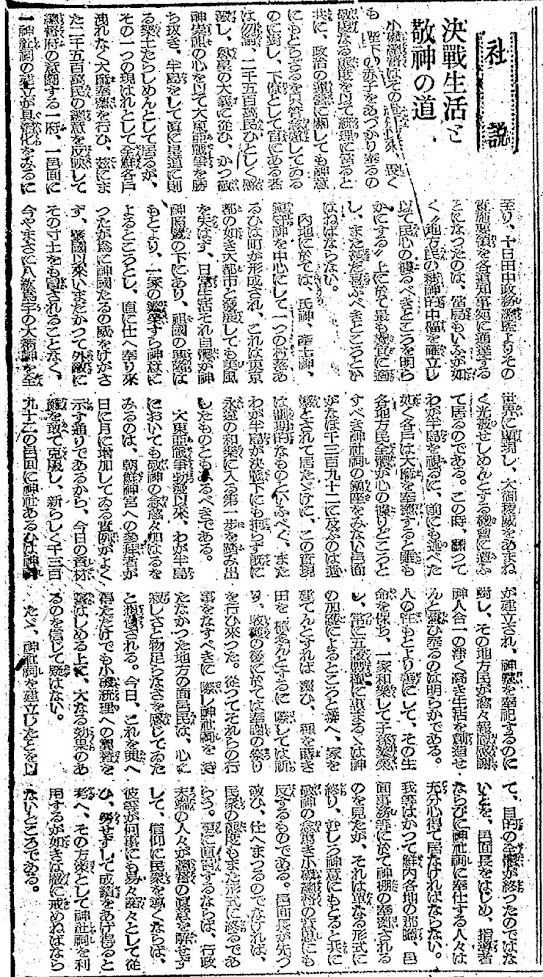
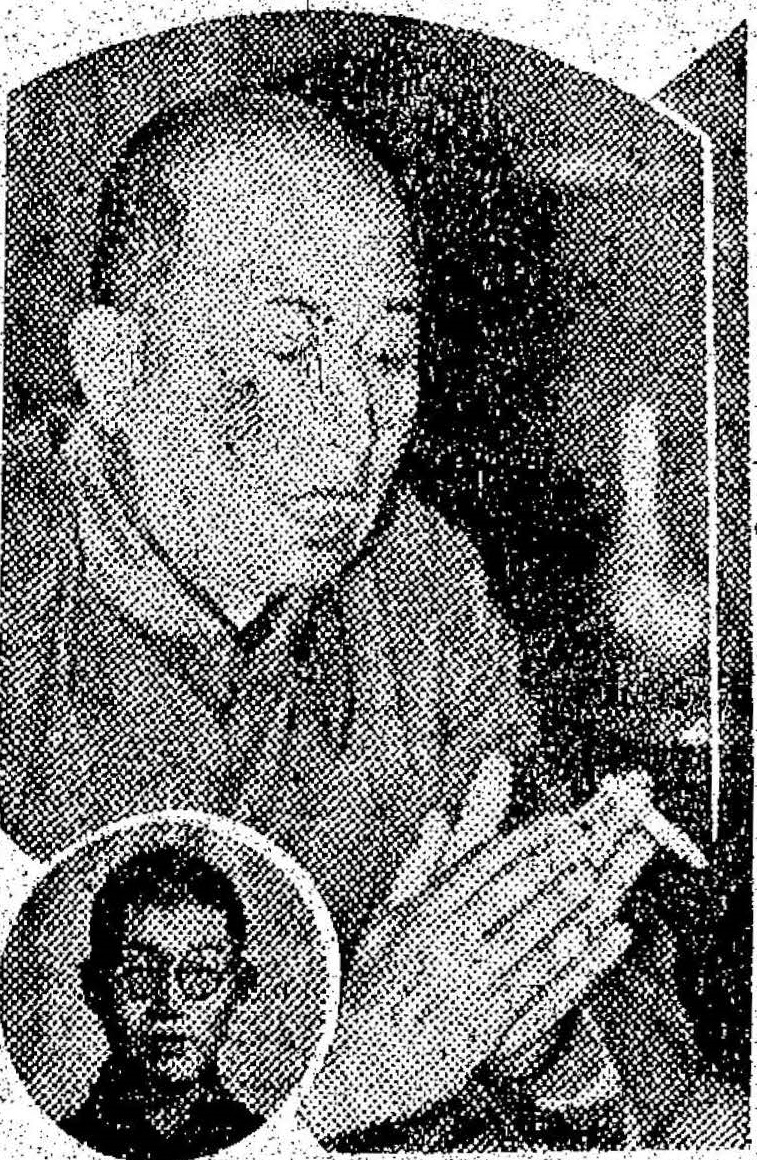
Pro-Japanese Korean colonel (신태영)’s full 1943 speech...
In 1945, Imperial Japan trained almost every...
Nostalgia for Imperial Japan and its undercurrents...
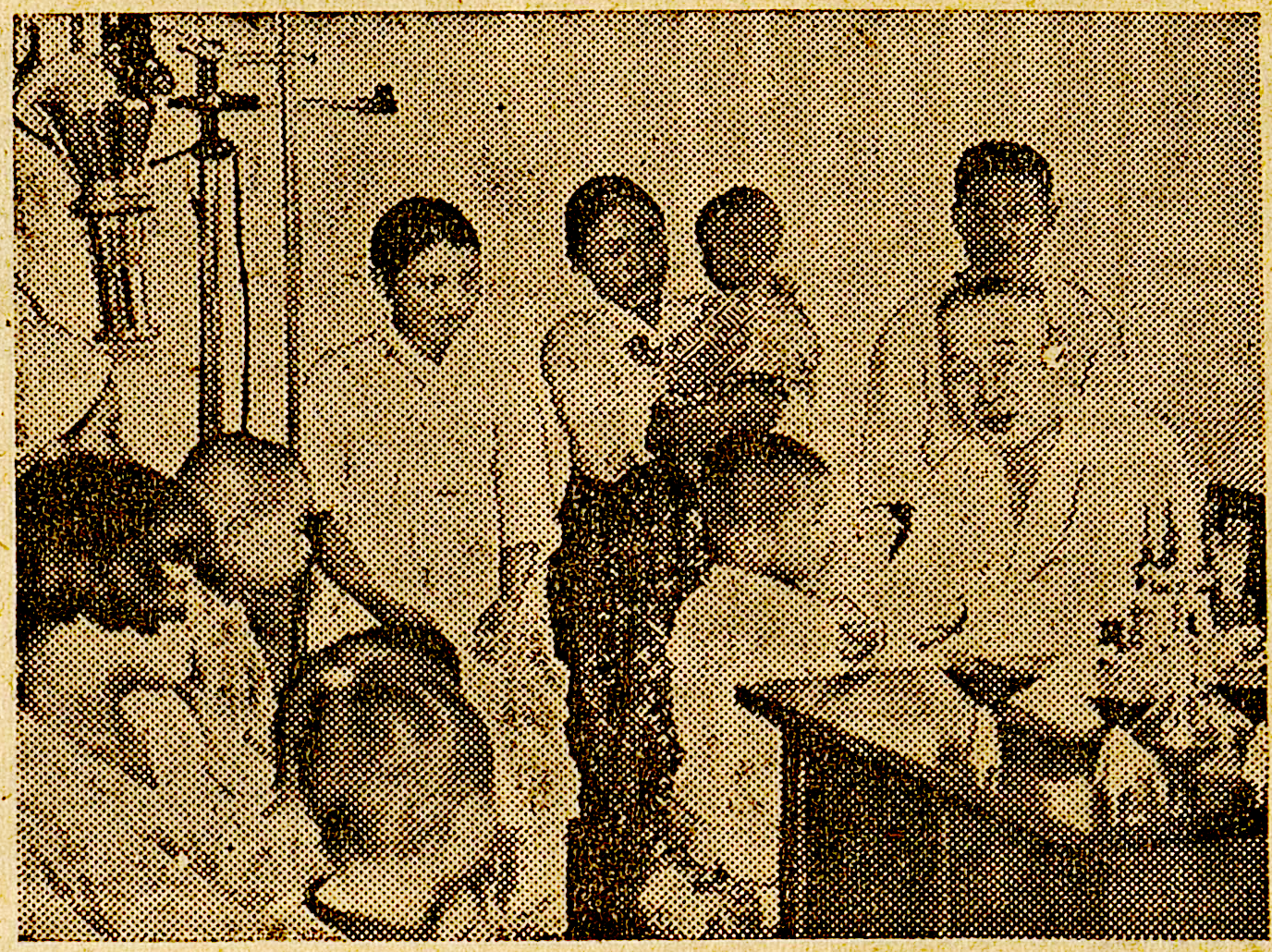
Korean children underwent mass medical inspections in...
Mixed marriages in 1939 Korea: a Korean...
March 1945: Taxis in Seoul nearly vanish,...
Imperial Japan purged Korean schools of ‘pro-American’...
In November 1943, colonial authorities implemented a...
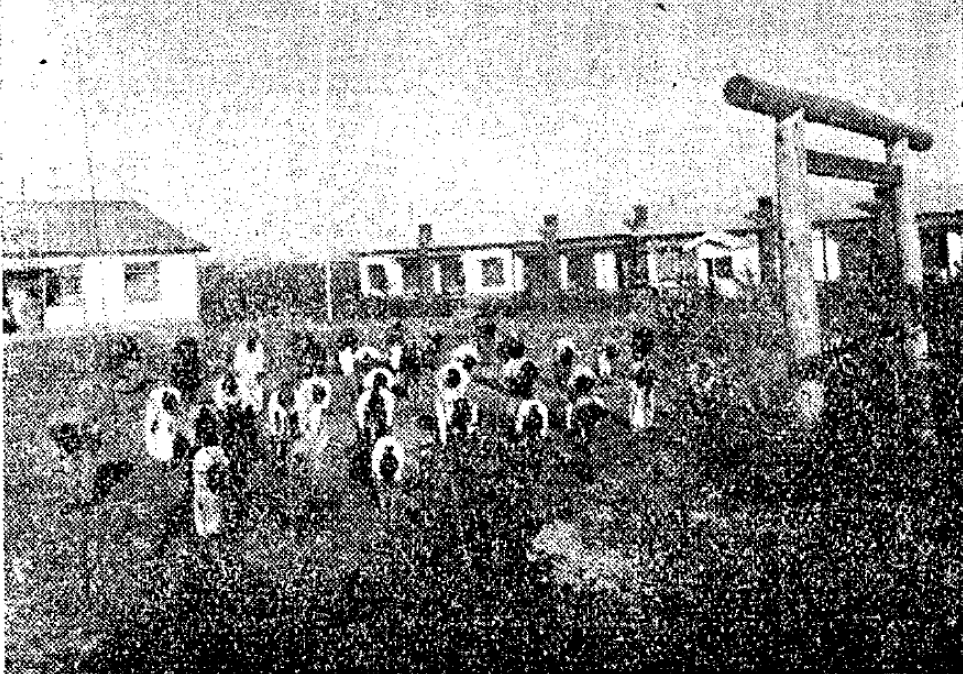
Korean farming family weaving straw bags known...
Japanese Keijo Nippo reporters interviewed Korean abductee...
‘We’re going to Washington!’ – a 1944...

Category: Post-Liberation

Business

How the war criminals of Imperial Japan shaped modern South Korean politics and business: the pro-Japanese legacy that Kishi, Sasakawa, and Kodama left behind in Korean conservatism

2024-12-10

582

2637

As a Japanese blogger posting content about Imperial Japan’s colonization of Korea, I have been following the latest news coming

Read More
Press

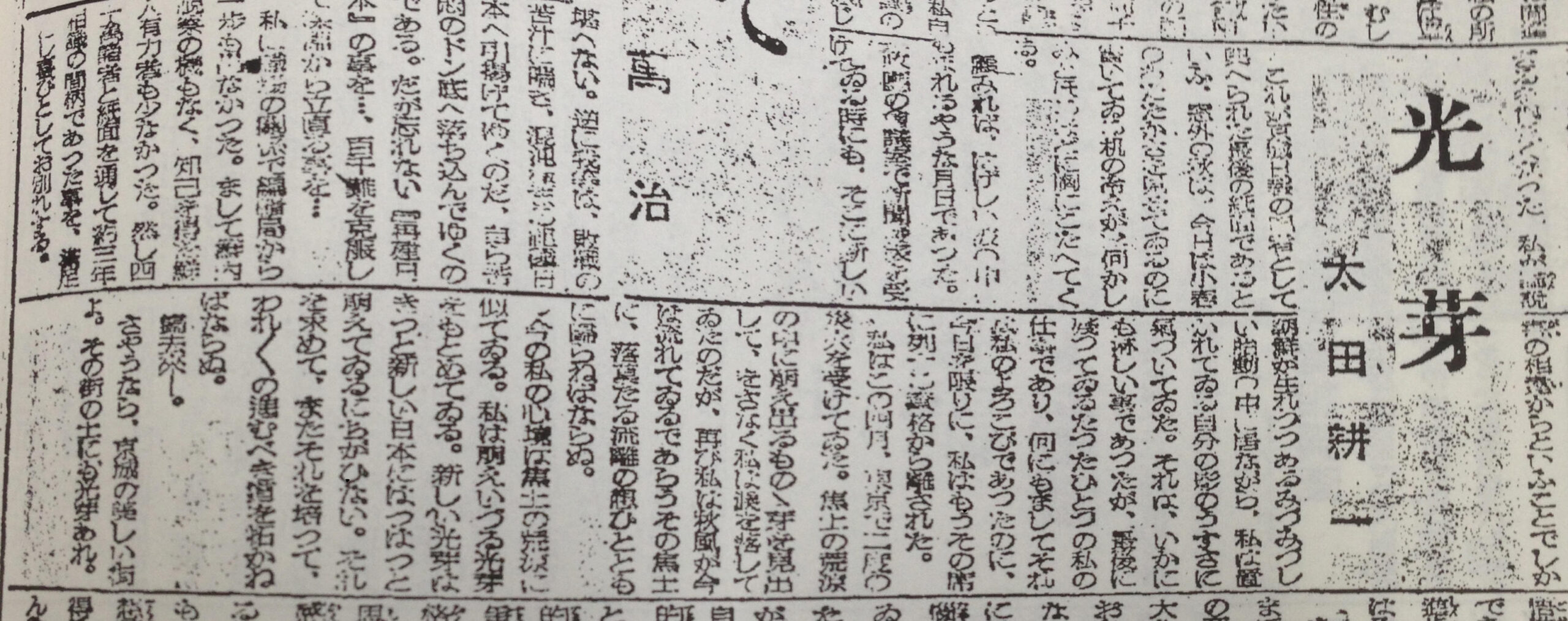
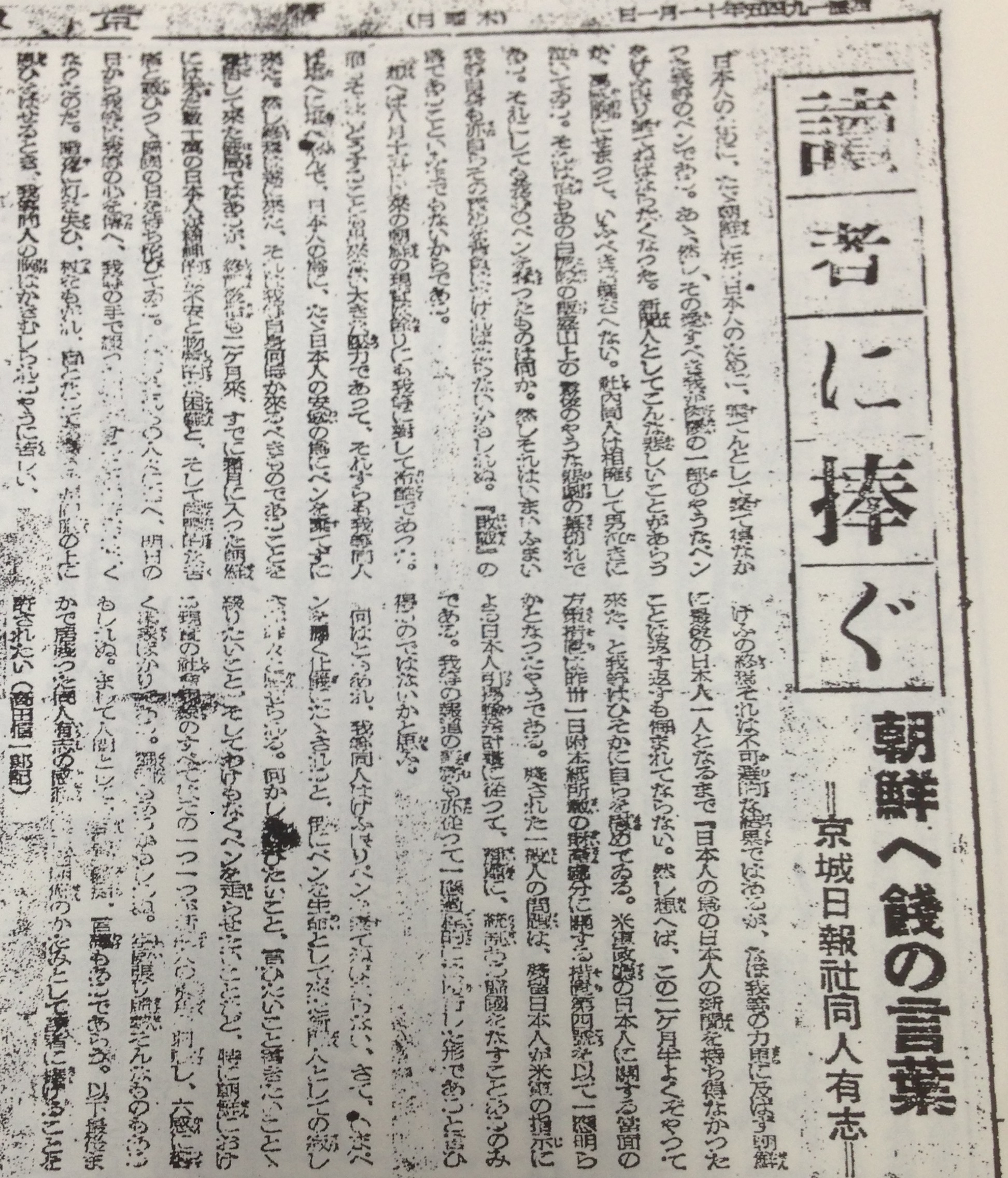
Imperial Japanese news staff departing Korea wrote last words celebrating the ‘Young Korea’ as a ‘joyous uprising’, praising Kimchi, saying goodbyes to Korean collaborator writers, baring ‘a heart full of desolation’, mourning a daughter’s death, criticizing war leaders… (Nov. 1, 1945)

2024-01-23

705

2550

This is the second part of a two-part series. The first part is posted here. The following is content from

Read More
Post-Liberation

Japanese news staff wrote sad and internally conflicted farewell essays to the Korean people in the very last page of Keijo Nippo (colonial propaganda newspaper) published under Japanese control before takeover by Korean activists on Nov. 2, 1945

2024-01-17

754

1864

The following is content from a Seoul newspaper published on November 1, 1945, two and a half months after Japan’s

Read More
Post-Liberation

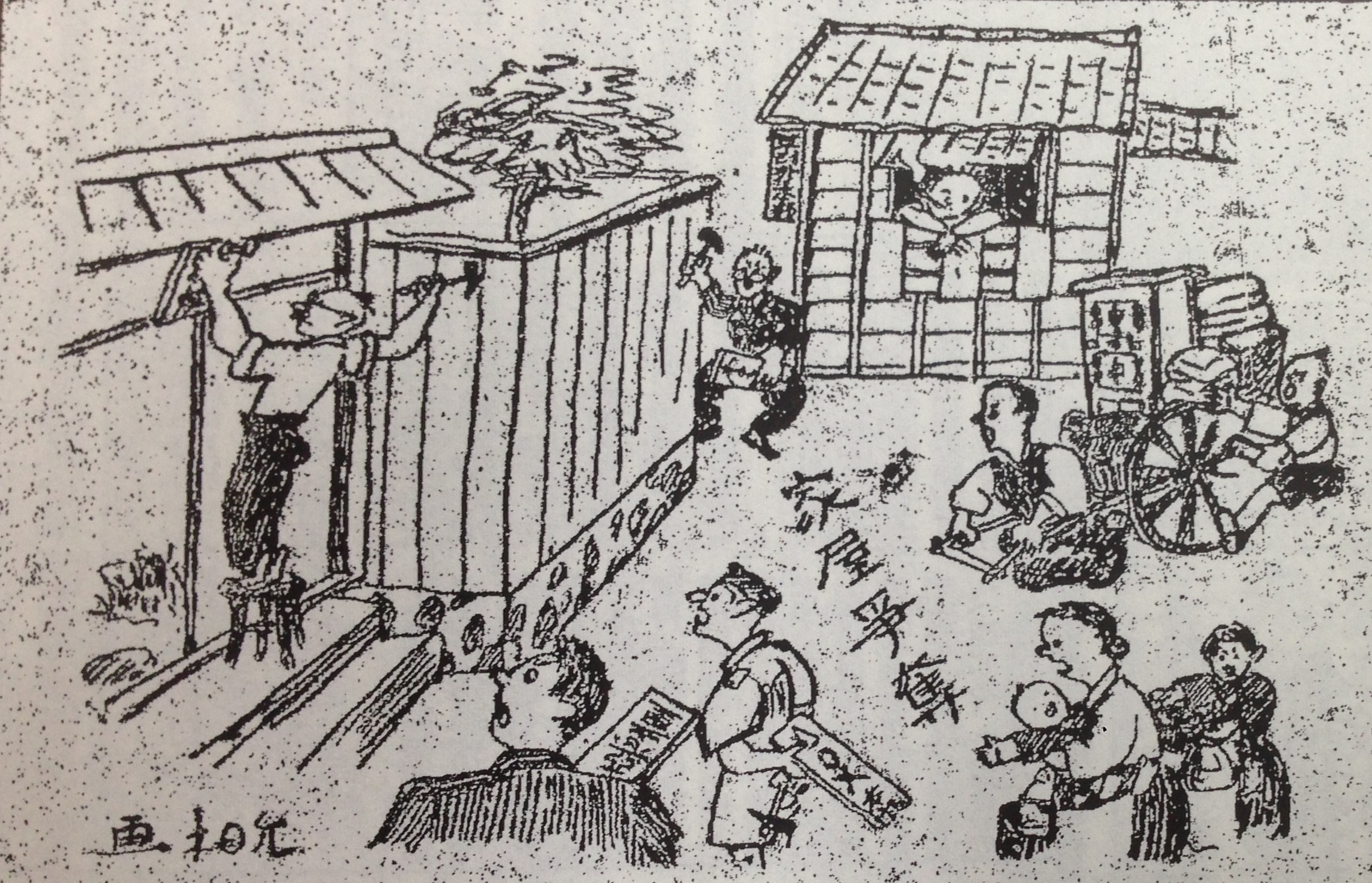
‘Malicious brokers’ and impoverished Koreans fought each other in cutthroat battles to lay claim to empty houses vacated by the Japanese in Seoul in immediate post-war period

2024-01-09

792

532

Continuing with my ongoing exploration of the old newspaper archives from 1945 Korea that I checked out at the National

Read More
Post-Liberation

Nov. 1945 news articles called out Korean ‘national traitors’ who helped Japanese residents liquidate their assets into cash to take back to Japan, even public shaming one man by name

2024-01-06

698

1020

Continuing with my ongoing exploration of the old newspaper archives from 1945 Korea that I checked out at the National

Read More
Post-Liberation

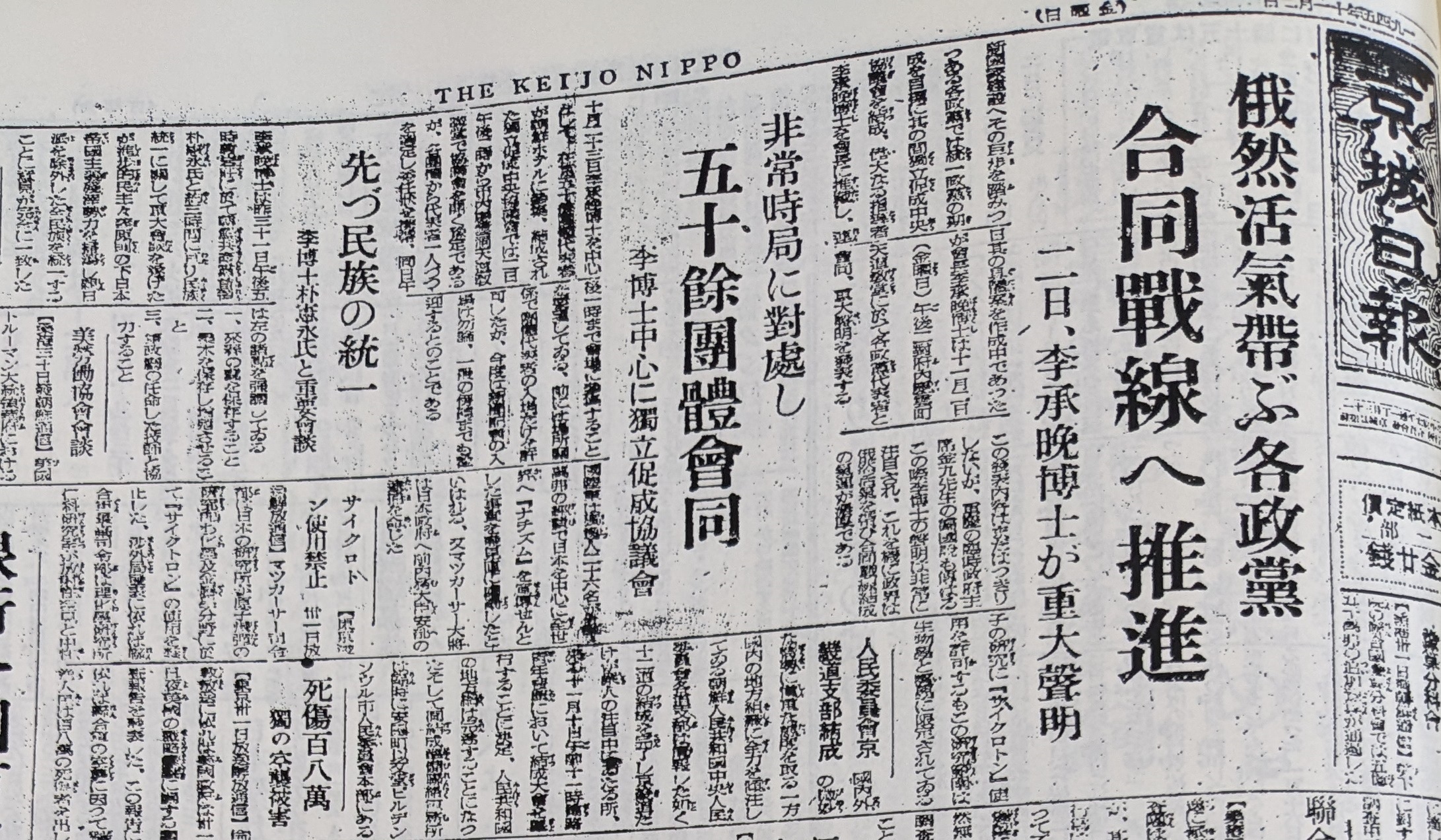
Optimistic news coverage of Syngman Rhee meeting with communist leader Park Heon-young in ‘national unity’ talks, nationwide expansion of People’s Republic of Korea, militant opposition to US-Soviet trusteeship (Nov. 2, 1945)

2024-01-01

675

1271

Continuing with my ongoing exploration of the old newspaper archives from 1945 Korea that I checked out at the National

Read More
Post-Liberation

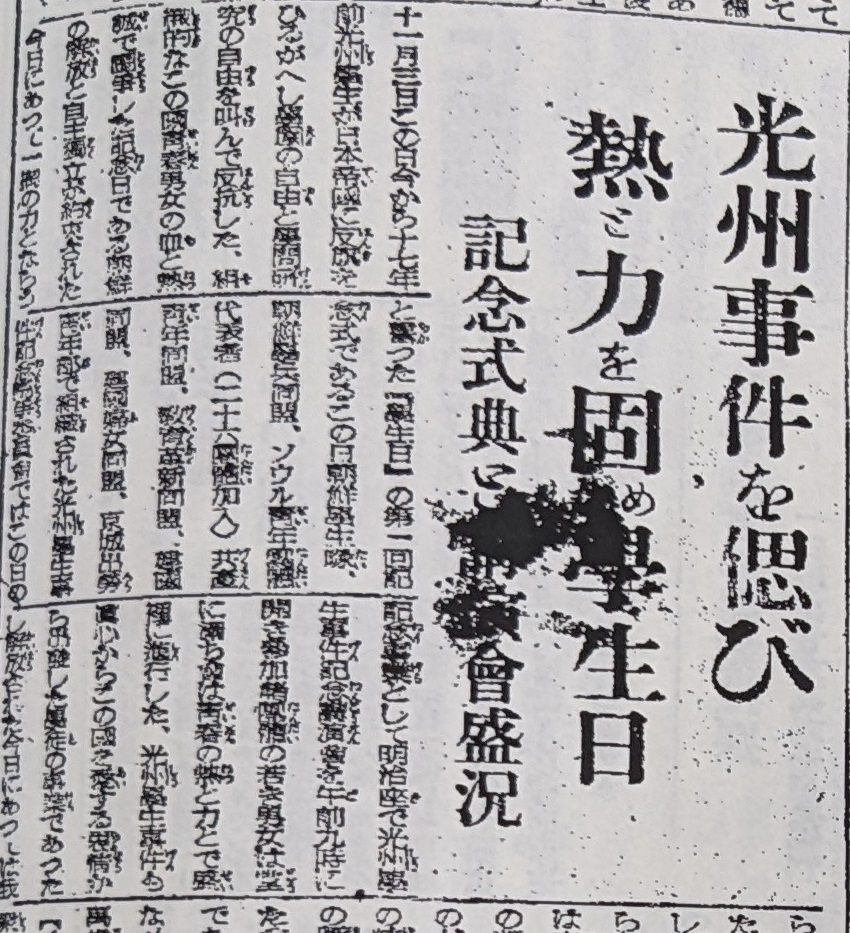
Keijo Nippo editors endorsed the People’s Republic of Korea and ‘class liberation’ in Nov. 3, 1945 commemoration of the 1929 Gwangju Student Movement with calls to ‘eradicate the remnants of Japanese imperialism and national traitors’

2023-12-25

840

1143

This is an intriguing article from November 5, 1945, originating from Keijo Nippo, which I found at the National Library

Read More
Post-Liberation

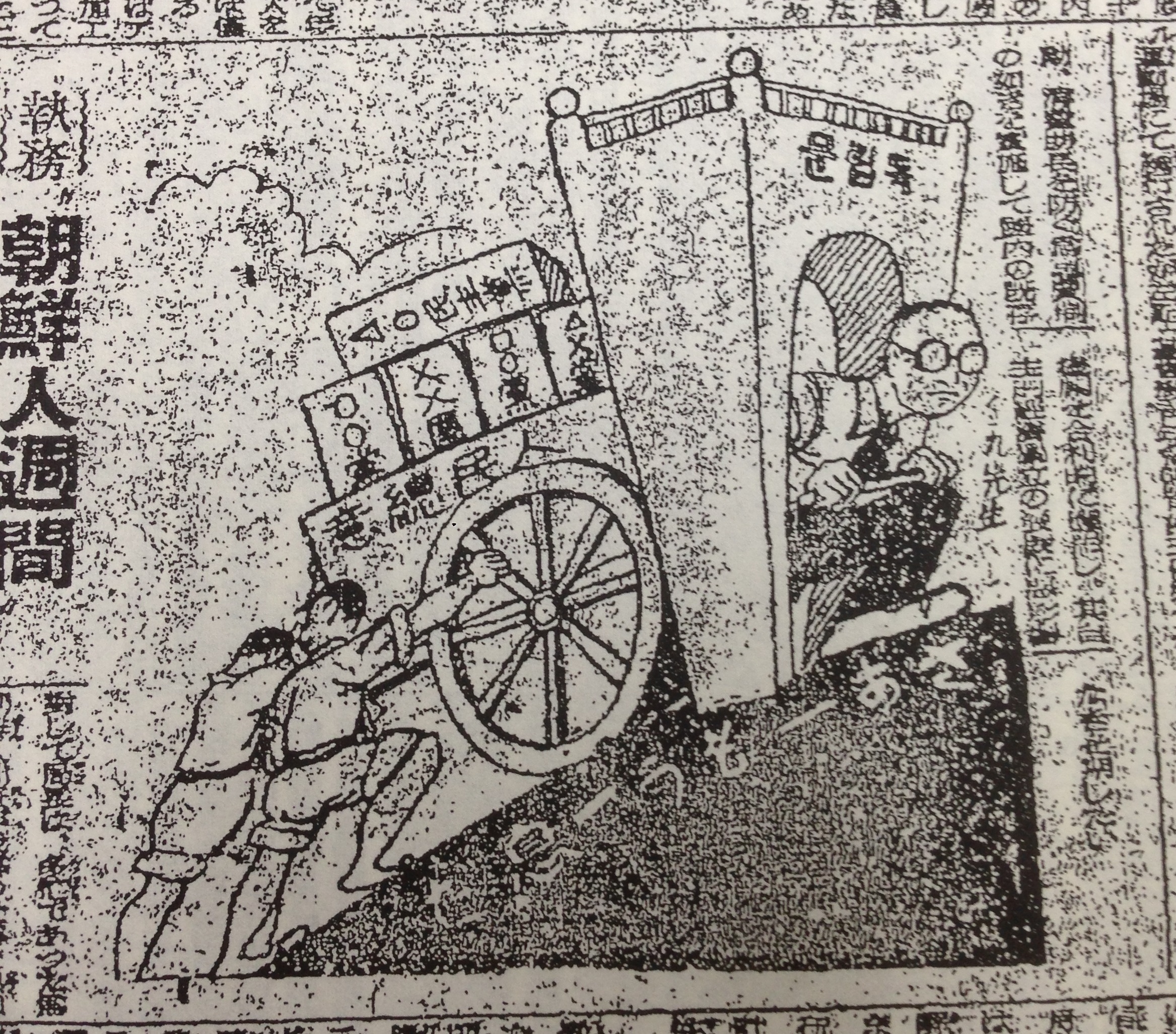
Kim Ku leads the way towards Korean independence with support of the Korean people (news editorial cartoon in liberated Keijo Nippo, Dec. 2, 1945)

2023-12-23

762

397

This is an intriguing editorial cartoon from December 2, 1945, originating from Keijo Nippo, which I found at the National

Read More
Daily Life

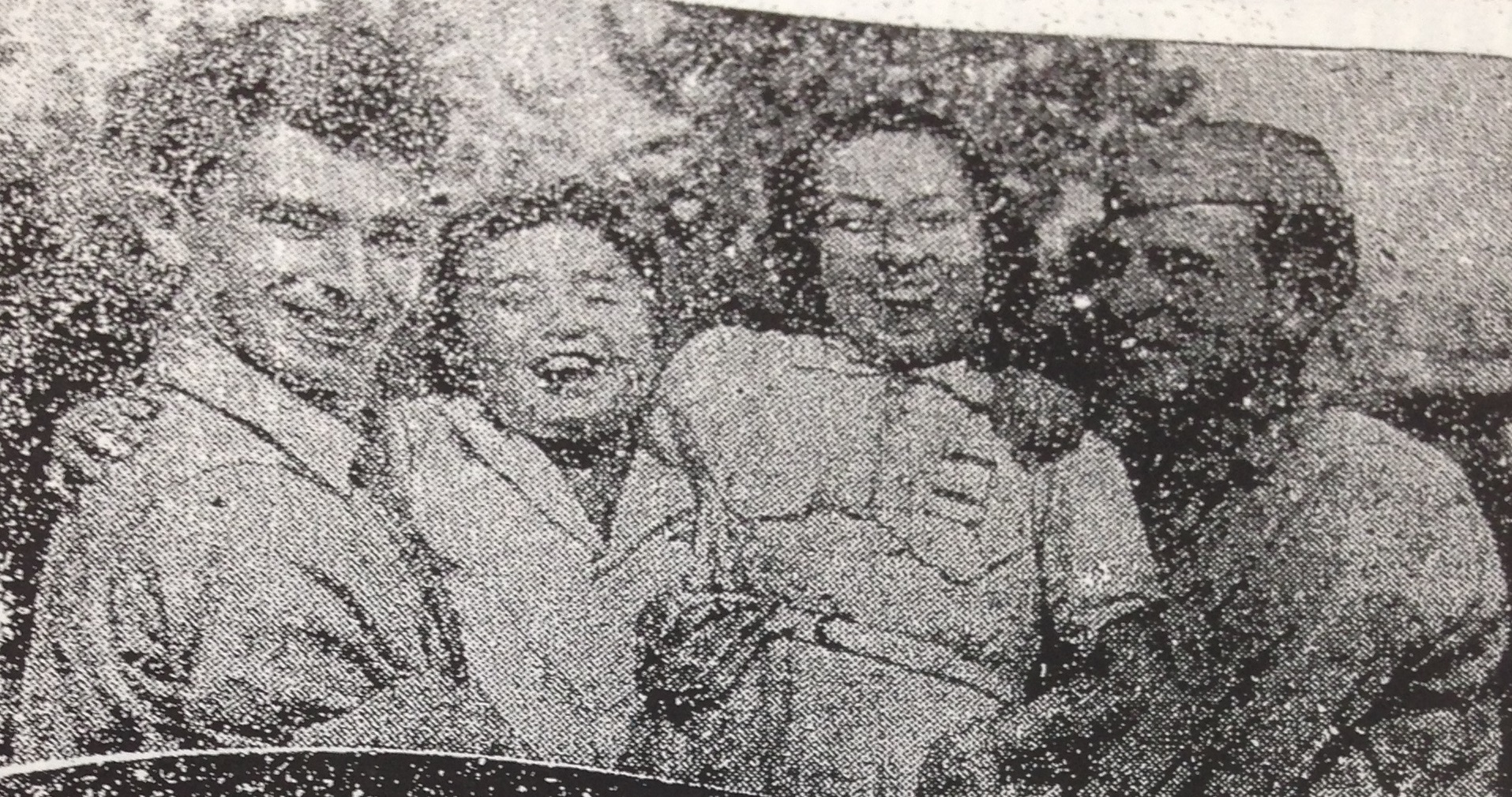
American soldiers meeting local women and shopping for flowers and dolls in Seoul and Incheon, providing trucks to Patriotic Groups to clean the streets (September 21-22, 1945)

2023-12-16

734

1004

These photos are from pages of the Keijo Nippo newspaper that I stumbled upon during my visit to the National

Read More
Post-Liberation

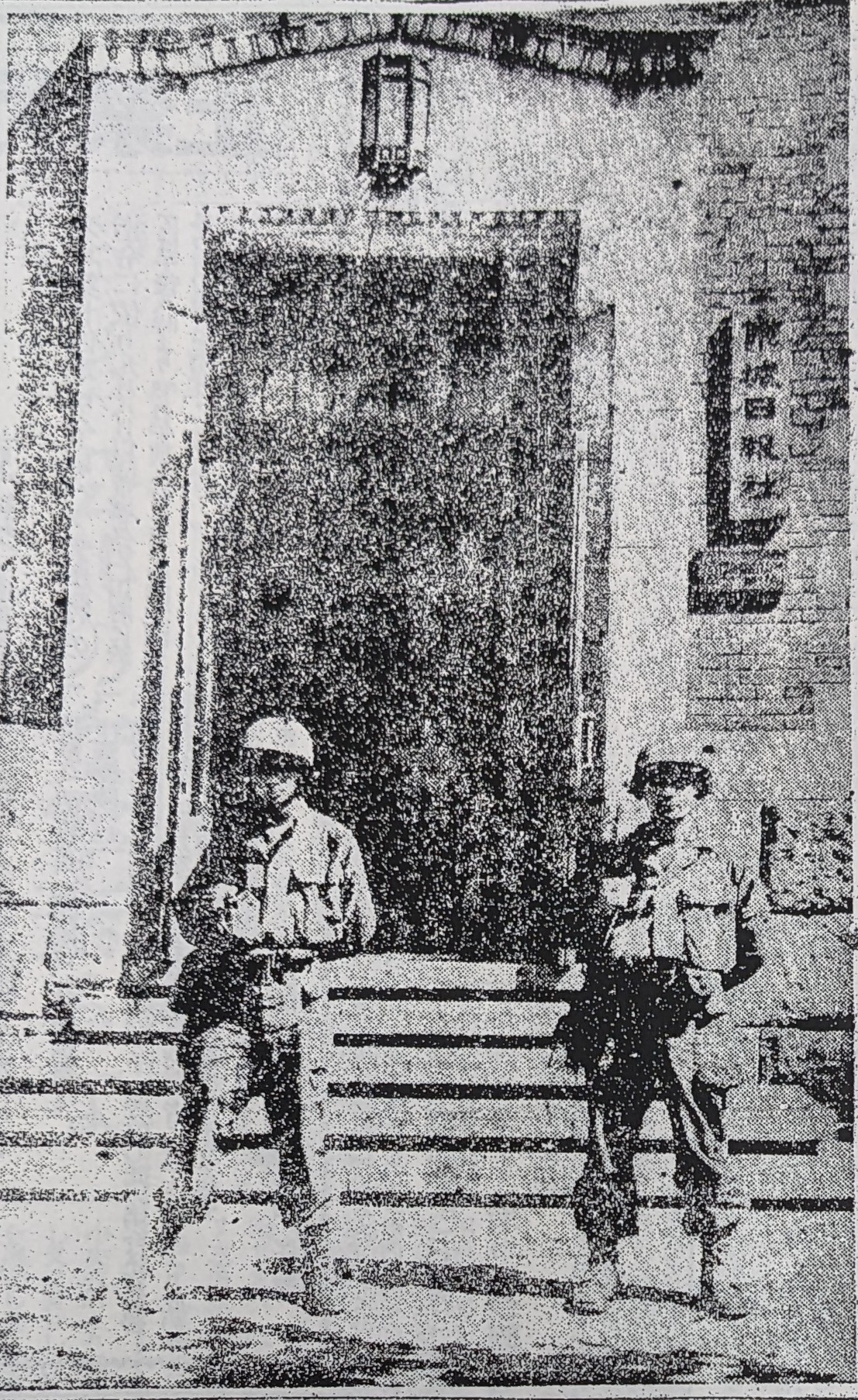
U.S. soldiers guard the Gyeongseong Ilbo (Keijo Nippo) newspaper office on September 11, 1945, three days after the start of the U.S. military occupation of southern Korea

2023-12-11

789

535

This photo is from a page in the Keijo Nippo newspaper that I stumbled upon during my visit to the

Read More

Posts pagination

1 2 Next

Recent Posts

  • “Demonic Americans”: How Imperial Japan Tried to Turn Koreans Against U.S. Missionaries in 1944
  • A Rare 1944 Korean–Japanese Bilingual Propaganda Poster Promoting Forced Labor Conscription
  • Terrified by rumors of forced labor conscription under the Imperial Army, young Korean women rushed into marriages to escape, prompting officials to hold April 1944 press conference to deny and deflect
  • Koreans tried to bribe their way out of Imperial Japan’s forced labor conscription, but patriotic student informants turned them in (June 1945)
  • In 1944, Imperial Japan launched an “all-out campaign” to erase Hangul from public life, mobilizing teachers and Korean youth to destroy Korean signs, books, and even phonograph records

Recent Comments

  • vong quay on Imperial officials fanned out across rural Korea visiting townships one by one to indoctrinate villagers in Imperialist ideology in ‘Grassroots Penetration’ Campaign (March 1944)
  • act-two on Koiso’s 1943 ‘Great Leader’ Strongman Tours: Surprise village inspections to intimidate local leaders and impose Japanese language and culture all over the Korean countryside
  • laser marking machine on Koiso’s 1943 ‘Great Leader’ Strongman Tours: Surprise village inspections to intimidate local leaders and impose Japanese language and culture all over the Korean countryside
  • zorse on April 1945 Seoul dining: the public endured price-gouging and scraps, while privileged Japanese and Korean collaborator elites drank and feasted behind closed doors

Archives

  • November 2025
  • October 2025
  • September 2025
  • August 2025
  • July 2025
  • June 2025
  • May 2025
  • April 2025
  • March 2025
  • February 2025
  • January 2025
  • December 2024
  • November 2024
  • October 2024
  • September 2024
  • August 2024
  • June 2024
  • May 2024
  • April 2024
  • March 2024
  • February 2024
  • January 2024
  • December 2023
  • November 2023
  • October 2023
  • September 2023
  • August 2023
  • July 2023
  • June 2023
  • May 2023
  • April 2023
  • March 2023
  • February 2023
  • January 2023
  • December 2022
  • November 2022
  • October 2022
  • September 2022
  • August 2022
  • July 2022
  • June 2022
  • May 2022
  • April 2022
  • March 2022
  • February 2022
  • January 2022
  • December 2021
  • November 2021

Meta

  • Log in
  • Entries feed
  • Comments feed
  • WordPress.org

Categories

  • Agriculture
  • Business
  • Christianity
  • Clothing
  • Comfort Women
  • Currency
  • Daily Life
  • Education
  • Entertainment
  • Food
  • Food Shortages
  • Foreign Residents
  • Imperial Way
  • Internment Camp
  • Japanese Language
  • Korean Royal Family
  • Korean Workers
  • Medical
  • Military
  • Model Korean Family
  • Moment of Silence
  • Philosophy
  • Police
  • Post-Liberation
  • Press
  • Prisoners of War
  • School
  • Travel
  • Uncategorized
  • University

Pages

  • About me
  • Donate
  • Get Involved
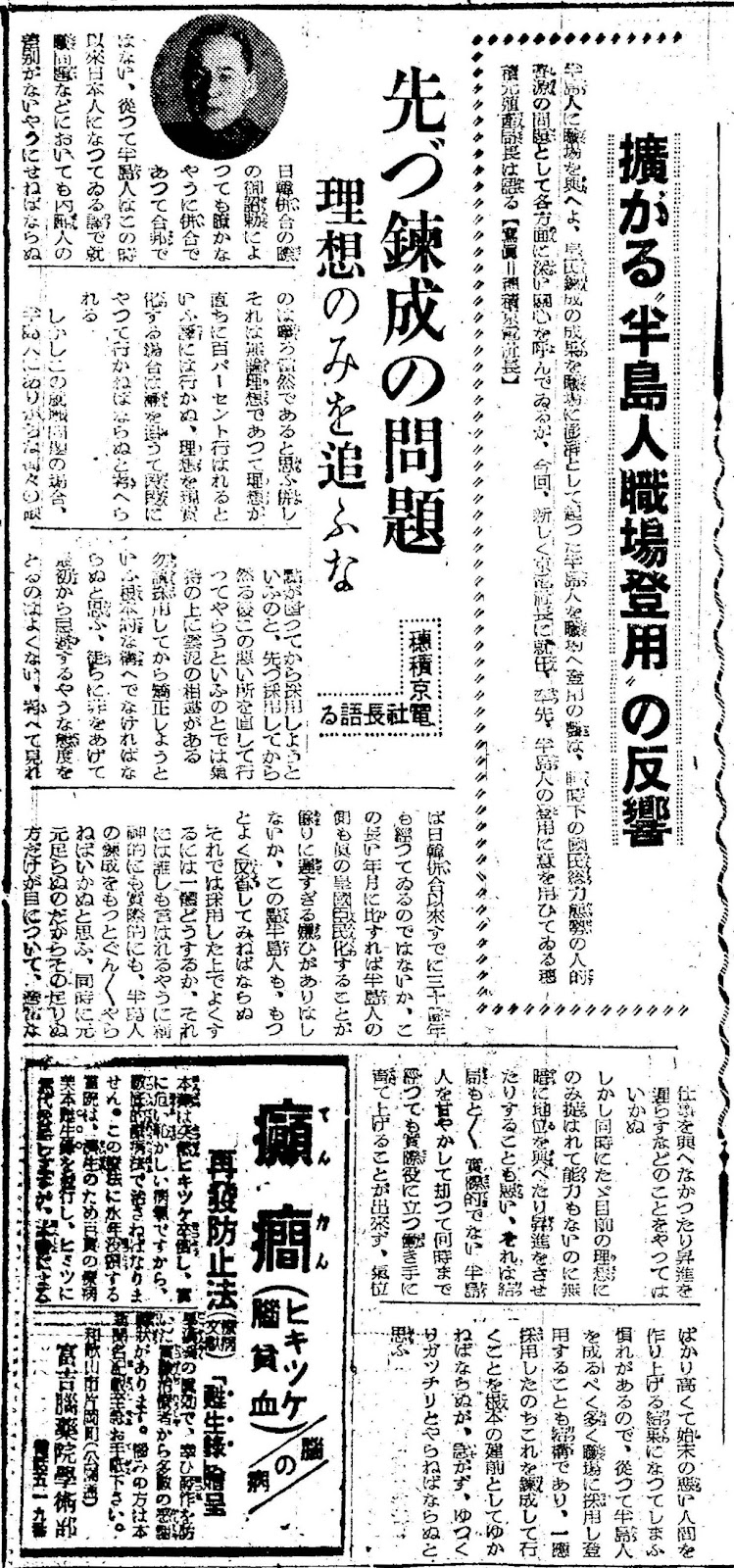
  • Imperial Japanese penal official said Korean 'ideological criminals' (independence activists) were 'not well made as human beings', but 'if only their thoughts could be corrected, then they will get better' so they can be 'used' for wartime labor, but 'this is not the case with ordinary criminals'
  • Nostalgia for Imperial Japan and its undercurrents in Kishi Nobusuke's legacy in postwar Japan, in Park Chung-hee and Chun Doo-hwan's legacy in South Korea, and why access to wartime newspapers of Japan-occupied Korea is important to combat historical misinformation by the far-right in both countries
  • Simon Young Kim (김영근), a South Korean violin virtuoso and disciple of famous violinist Jascha Heifetz, Simon was once my teacher and mentor, and his son was my best friend in elementary school
Exposing Imperial Japan
Designed & Developed by WpTheme Space