Skip to content
  • Home
  • About me
  • Get Involved
  • Donate
Exposing Imperial Japan

Exposing Imperial Japan

Viewing the suffering of colonized people through the lens of the colonizer's propaganda

  • Home
  • About me
  • Get Involved
  • Donate
Korean children underwent mass medical inspections in...
A Korean father spent 8 years looking...
Japanese abductee escaped Korean Communist guerrillas in...
Imperial Japan called Korean women in chima...
Colonial officials claimed ‘Korean must naturally stop...
Optimistic news coverage of Syngman Rhee meeting...
Part 1 – Thousands of young Korean...
Koreans in Seoul streetcar observing mandatory daily...
A collection of 27 farewell letters to...
In April 1943, Seoul high school girls...
Korean kindergartners holding rising sun flags shouting...
In June 1944, the Japanese military gave...
Koiso’s 1943 ‘Great Leader’ Strongman Tours: Surprise...
Pro-Japanese Korean colonel (신태영)’s full 1943 speech...
In March 1944 in Seoul, an angry...

Month: July 2023

Daily Life

Bilingual Korean-Japanese propaganda posters started to be used in Korea starting October 1944

2023-07-31

646

651

For the past two years, I’ve been studying the pages of Keijo Nippo (Gyeonseong Ilbo), the official propaganda mouthpiece newspaper

Read More
Foreign Residents

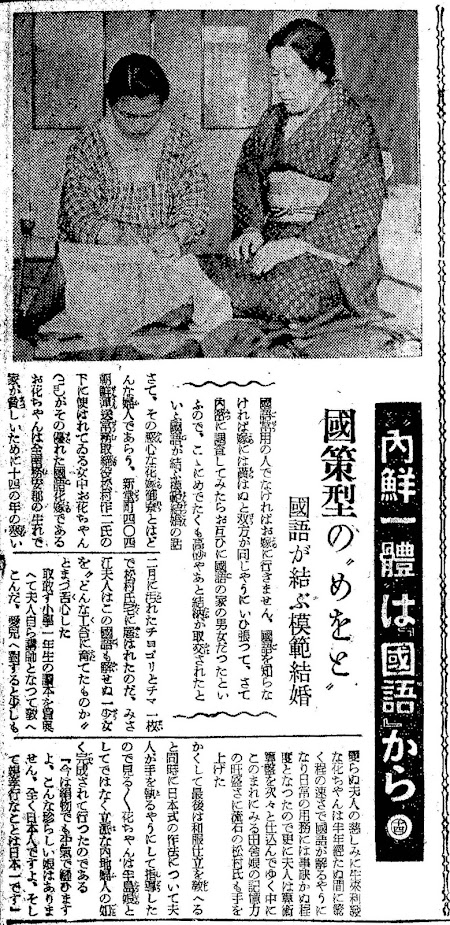
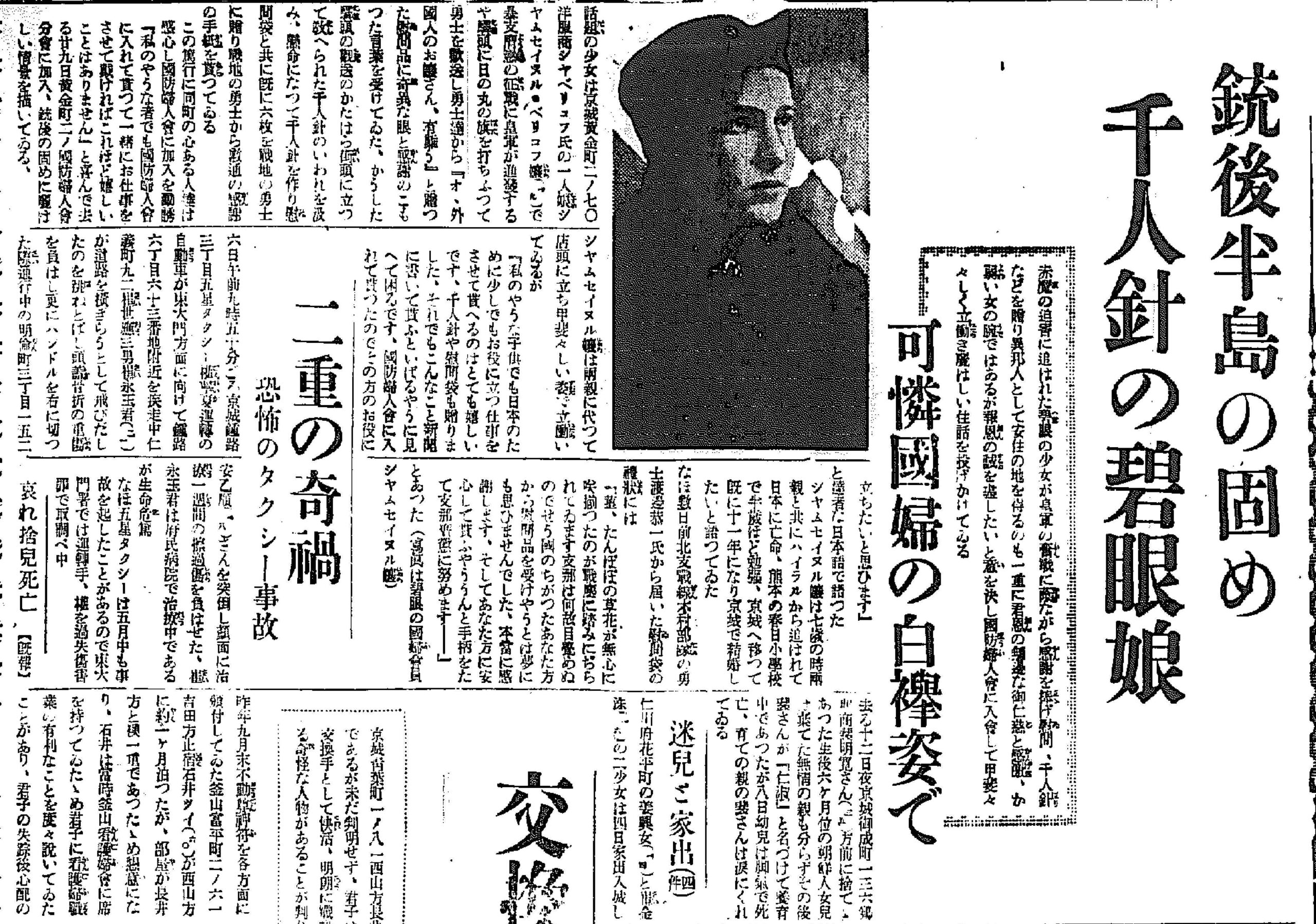
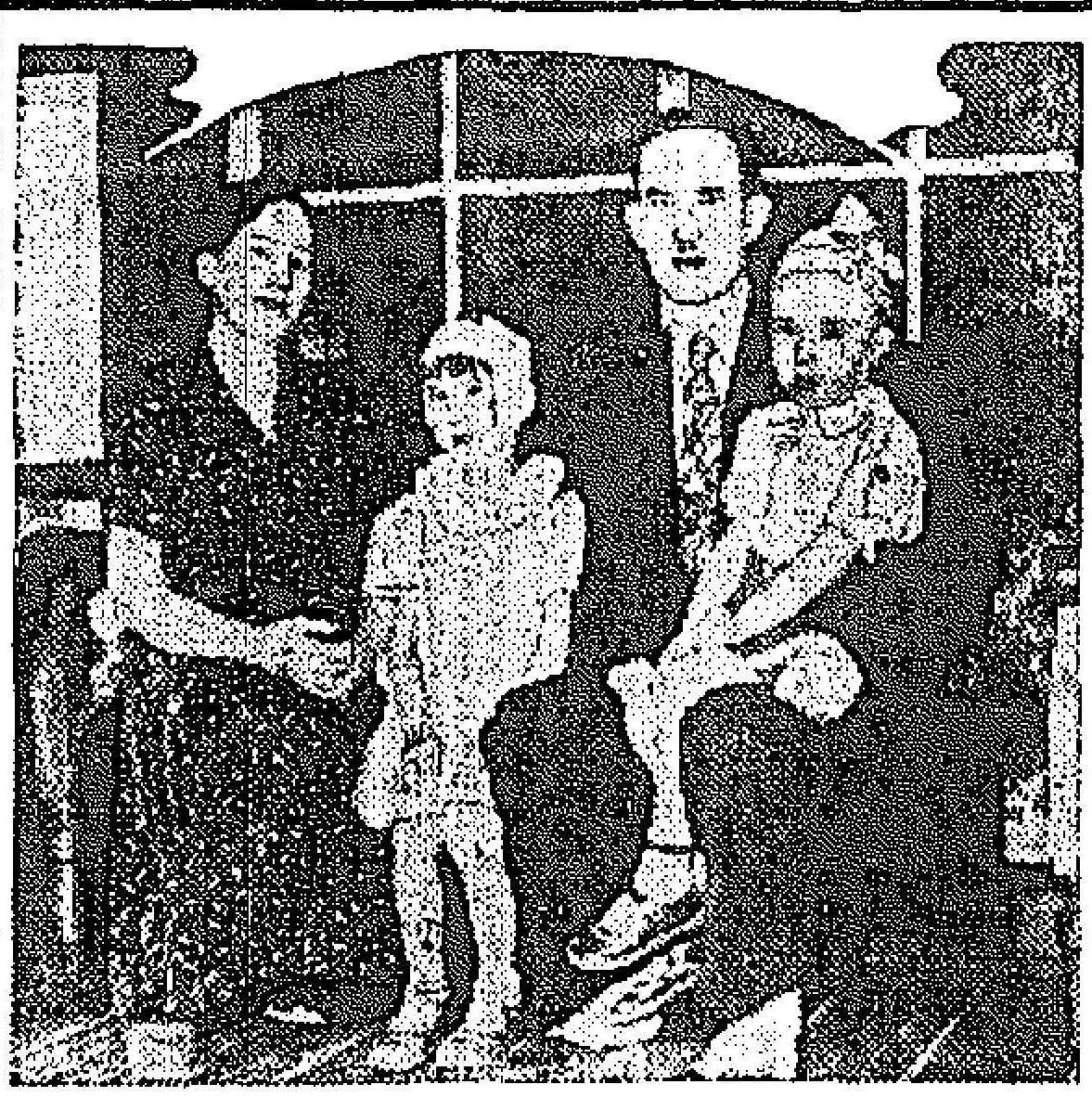
The Sulemans were a Russian Tatar refugee family in Seoul who gained acceptance as assimilated Imperial Japanese people while holding strong to their Muslim faith, and left for Turkey amid warm farewells in 1939

2023-07-18

759

1148

This article from 1939 features the remarkable story of a Tatar family in Imperial Japan. This particular article bids a

Read More
Korean Royal Family

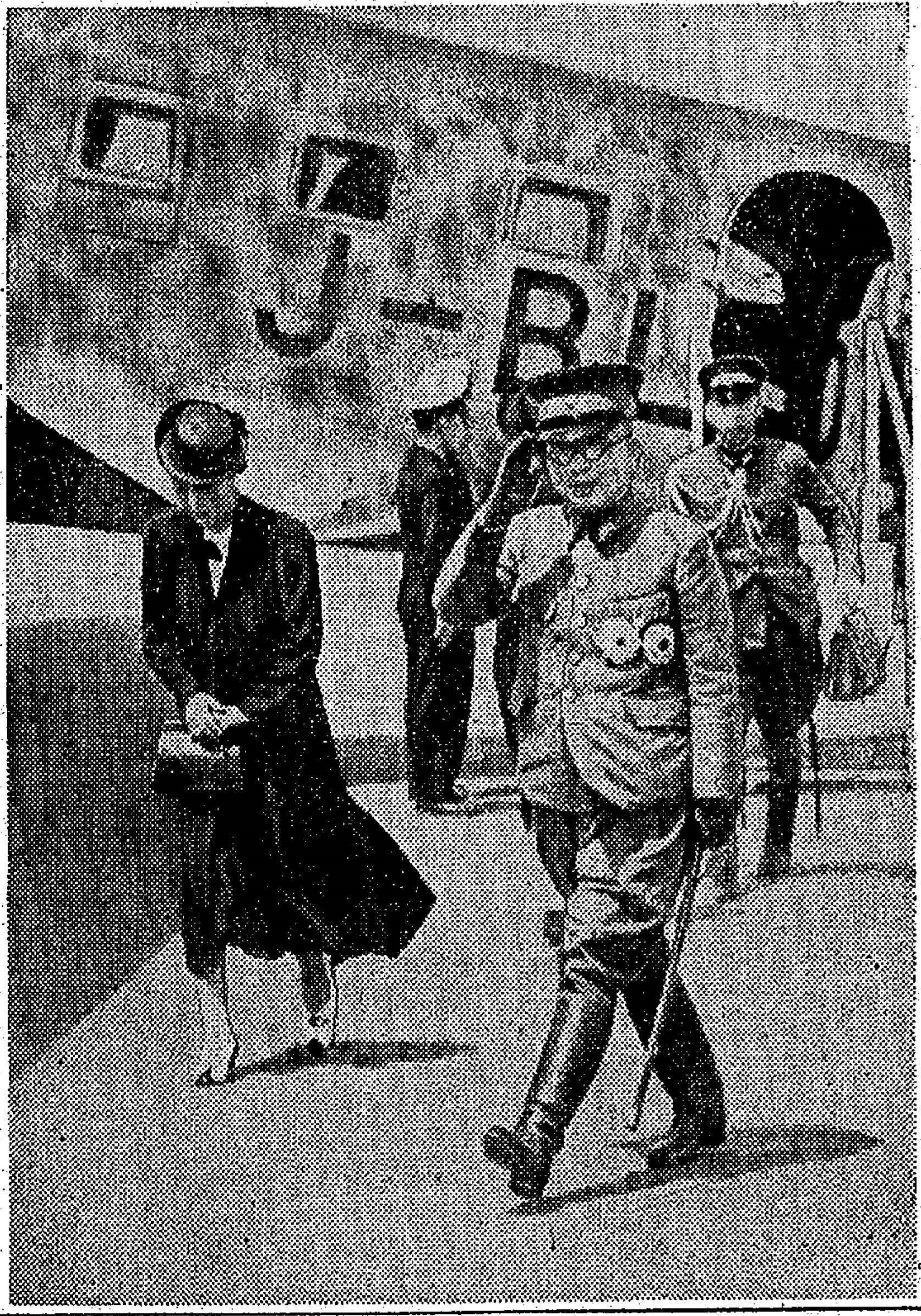
Wartime news coverage of Prince Yi Un (이은, 李垠) and Princess Yi Bangja (이방자, 李方子) fulfilling their royal ceremonial duties on behalf of Imperial Japan as they meet the public, accompanied by an entourage of the top elites of colonial Korean society (July 1943)

2023-07-09

817

1512

In this post, I will focus on some newspaper clippings from July 1943 featuring the Korean royal family, specifically Prince

Read More
Entertainment

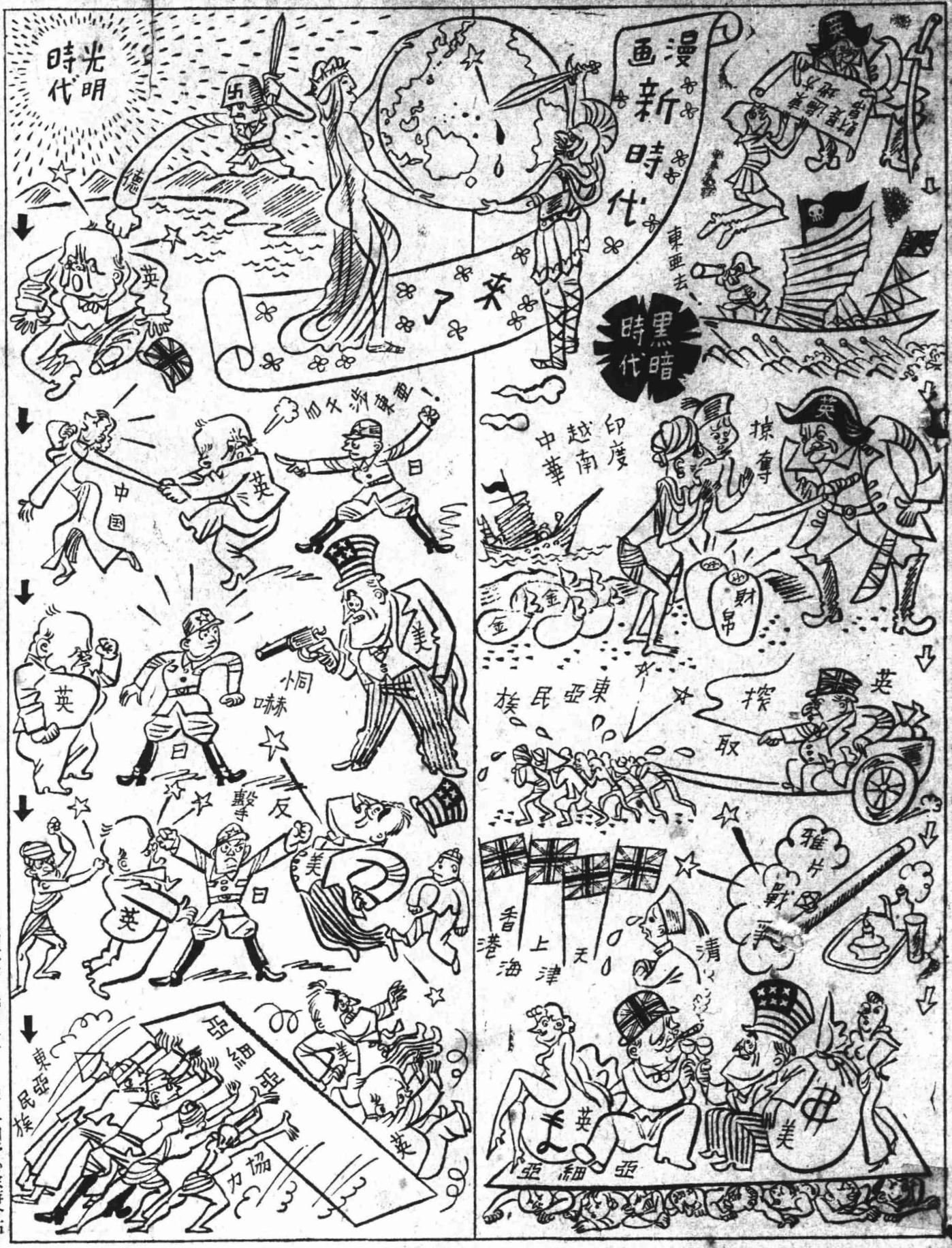
“The New Age Has Arrived”: Imperial Japanese Propaganda Manga from Occupied China, 1942

2023-07-04

722

382

Just sharing a fascinating piece of historical artifact – a comic strip, or more accurately, a manga, published in the

Read More
Korean Workers

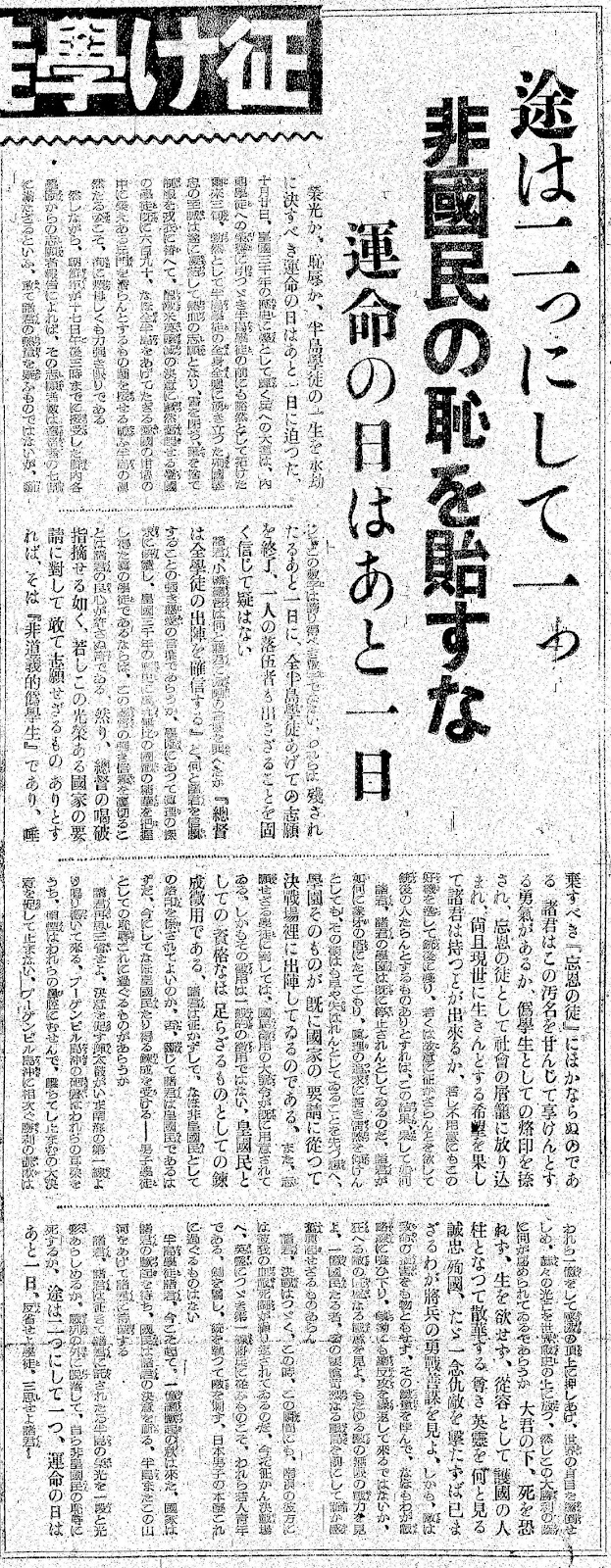
Imperial Japan had postwar plans to quadruple Japanese settlers in Korea to dominate the most technologically intensive industries, and suppress Korean access to higher education to quell ‘dissatisfaction’ (June 1943)

2023-07-01

714

2554

I recently came across two intriguing news articles from the Japanese colonial period of Korean history that shed light on

Read More

Recent Posts

  • “Demonic Americans”: How Imperial Japan Tried to Turn Koreans Against U.S. Missionaries in 1944
  • A Rare 1944 Korean–Japanese Bilingual Propaganda Poster Promoting Forced Labor Conscription
  • Terrified by rumors of forced labor conscription under the Imperial Army, young Korean women rushed into marriages to escape, prompting officials to hold April 1944 press conference to deny and deflect
  • Koreans tried to bribe their way out of Imperial Japan’s forced labor conscription, but patriotic student informants turned them in (June 1945)
  • In 1944, Imperial Japan launched an “all-out campaign” to erase Hangul from public life, mobilizing teachers and Korean youth to destroy Korean signs, books, and even phonograph records

Recent Comments

  • vong quay on Imperial officials fanned out across rural Korea visiting townships one by one to indoctrinate villagers in Imperialist ideology in ‘Grassroots Penetration’ Campaign (March 1944)
  • act-two on Koiso’s 1943 ‘Great Leader’ Strongman Tours: Surprise village inspections to intimidate local leaders and impose Japanese language and culture all over the Korean countryside
  • laser marking machine on Koiso’s 1943 ‘Great Leader’ Strongman Tours: Surprise village inspections to intimidate local leaders and impose Japanese language and culture all over the Korean countryside
  • zorse on April 1945 Seoul dining: the public endured price-gouging and scraps, while privileged Japanese and Korean collaborator elites drank and feasted behind closed doors

Archives

  • November 2025
  • October 2025
  • September 2025
  • August 2025
  • July 2025
  • June 2025
  • May 2025
  • April 2025
  • March 2025
  • February 2025
  • January 2025
  • December 2024
  • November 2024
  • October 2024
  • September 2024
  • August 2024
  • June 2024
  • May 2024
  • April 2024
  • March 2024
  • February 2024
  • January 2024
  • December 2023
  • November 2023
  • October 2023
  • September 2023
  • August 2023
  • July 2023
  • June 2023
  • May 2023
  • April 2023
  • March 2023
  • February 2023
  • January 2023
  • December 2022
  • November 2022
  • October 2022
  • September 2022
  • August 2022
  • July 2022
  • June 2022
  • May 2022
  • April 2022
  • March 2022
  • February 2022
  • January 2022
  • December 2021
  • November 2021

Meta

  • Log in
  • Entries feed
  • Comments feed
  • WordPress.org

Categories

  • Agriculture
  • Business
  • Christianity
  • Clothing
  • Comfort Women
  • Currency
  • Daily Life
  • Education
  • Entertainment
  • Food
  • Food Shortages
  • Foreign Residents
  • Imperial Way
  • Internment Camp
  • Japanese Language
  • Korean Royal Family
  • Korean Workers
  • Medical
  • Military
  • Model Korean Family
  • Moment of Silence
  • Philosophy
  • Police
  • Post-Liberation
  • Press
  • Prisoners of War
  • School
  • Travel
  • Uncategorized
  • University

Pages

  • About me
  • Donate
  • Get Involved
  • Imperial Japanese penal official said Korean 'ideological criminals' (independence activists) were 'not well made as human beings', but 'if only their thoughts could be corrected, then they will get better' so they can be 'used' for wartime labor, but 'this is not the case with ordinary criminals'
  • Nostalgia for Imperial Japan and its undercurrents in Kishi Nobusuke's legacy in postwar Japan, in Park Chung-hee and Chun Doo-hwan's legacy in South Korea, and why access to wartime newspapers of Japan-occupied Korea is important to combat historical misinformation by the far-right in both countries
  • Simon Young Kim (김영근), a South Korean violin virtuoso and disciple of famous violinist Jascha Heifetz, Simon was once my teacher and mentor, and his son was my best friend in elementary school
Exposing Imperial Japan
Designed & Developed by WpTheme Space