Skip to content
  • Home
  • About me
  • Get Involved
  • Donate
Exposing Imperial Japan

Exposing Imperial Japan

Viewing the suffering of colonized people through the lens of the colonizer's propaganda

  • Home
  • About me
  • Get Involved
  • Donate
Book review of Anti-Japan Tribalism (반일종족주의, 反日種族主義),...
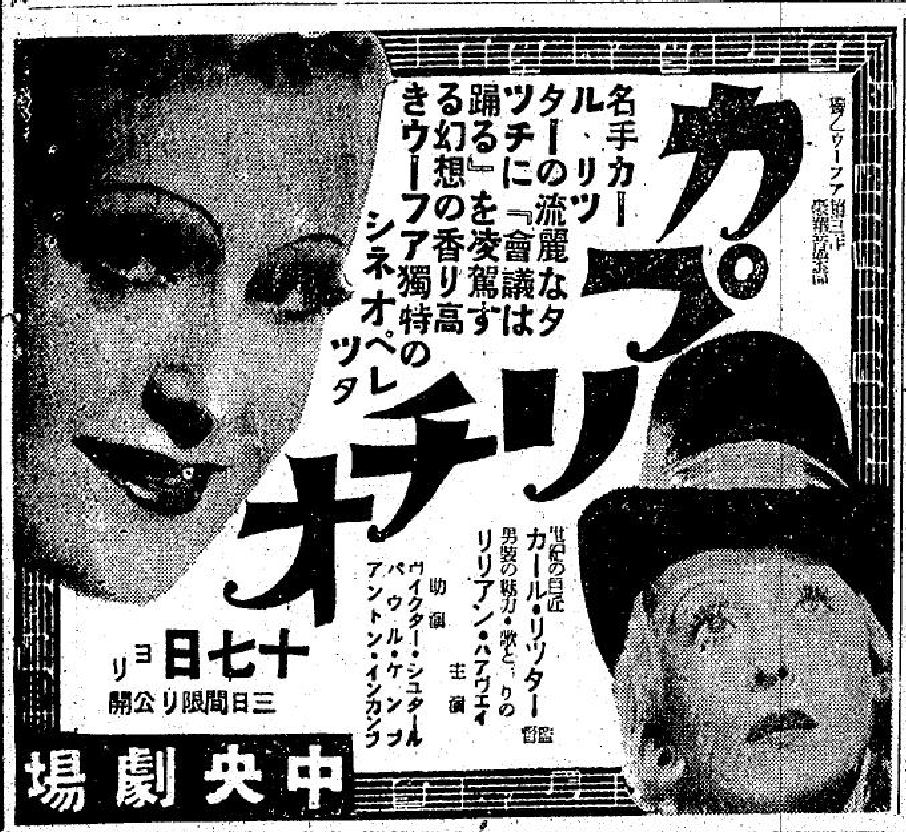
A look into the foreign films showing...
Imperial Japan called Korean women in chima...
In 1917, an 11-year-old Korean girl in...
Korean comfort women interviewed after whirlwind 1943...
Korean schoolgirls attend a five-day swimming camp...
Korean girls in a “women’s volunteer corps”...
In March 1944 in Seoul, an angry...
This Japanese teacher devoted a decade of...
Japanese teacher in Japan-colonized Korea punished her...
Colonial authorities abruptly abolished Korean translations of...
Buyeo, former capital of Baekje, was used...
Minakai Department Store in Seoul featured a...
Spotlight on 1943 Seoul: A Glimpse into...
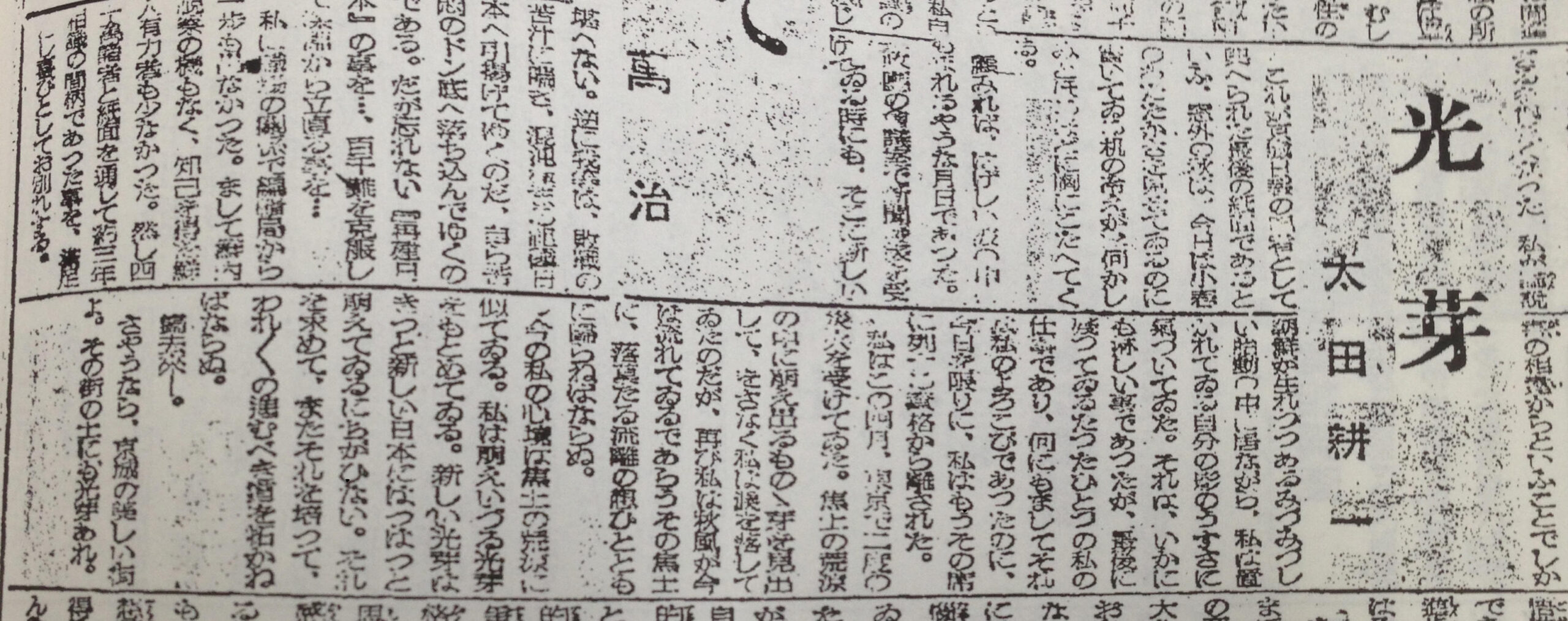
Nostalgia for Imperial Japan and its undercurrents...

Category: Internment Camp

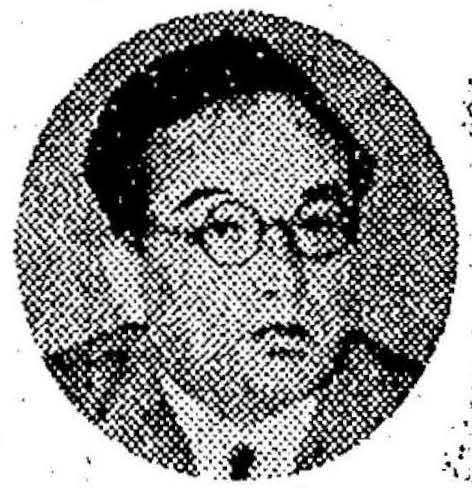
Japanese colonial masters were told to ‘love’ their Korean subjects by punching them ‘Bam!’ with an ‘iron fist’ if they became ‘unsteady and unfocused’ during their rigorous training to cultivate the ‘Japanese Spirit’ (Sasakawa remarks, Seoul 1943)
Imperial Way

Japanese colonial masters were told to ‘love’ their Korean subjects by punching them ‘Bam!’ with an ‘iron fist’ if they became ‘unsteady and unfocused’ during their rigorous training to cultivate the ‘Japanese Spirit’ (Sasakawa remarks, Seoul 1943)

2024-11-22

597

1476

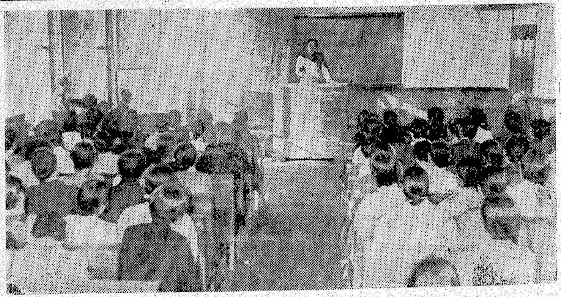
During World War II, in colonial Korea, guest speakers from mainland Japan frequently visited to give speeches aimed at boosting

Read More
Imperial Way

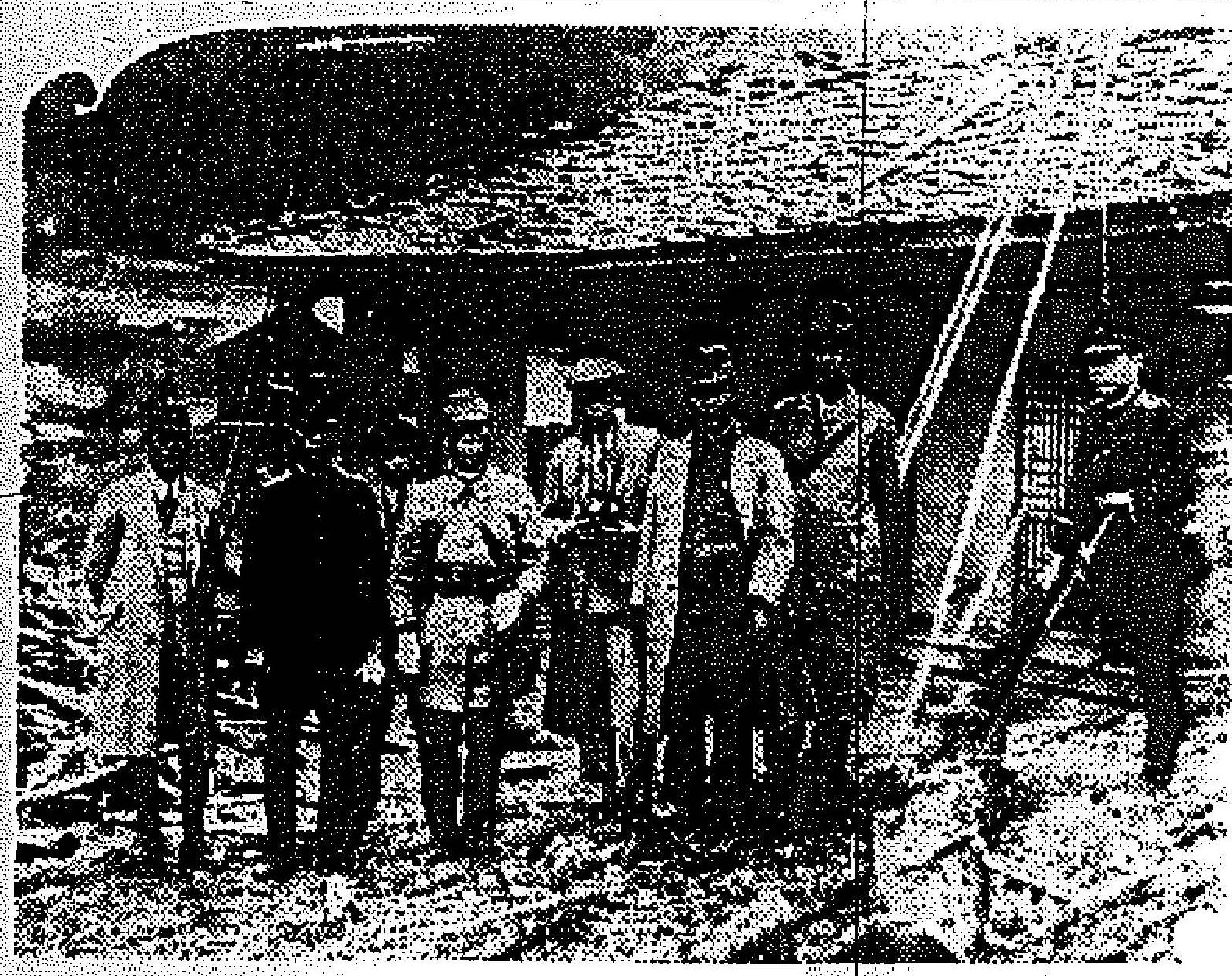
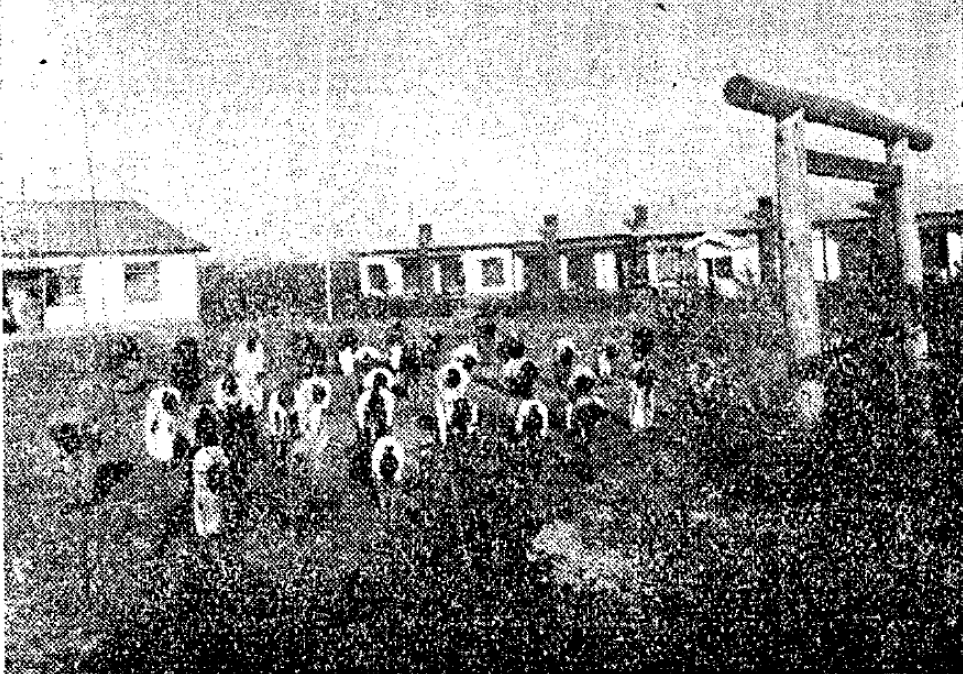
A tour of Sinuiju Yamato Imperial Boarding School in 1942, where Korean nationalism was considered a moral defect to be ‘purified’ away so that Korean ‘thought criminals’ become ‘completely Japanese’

2023-11-07

938

3840

In June 1942, a magazine called “Chōsen” (Korea) published an article that offers a stark window into a grim chapter

Read More
Internment Camp

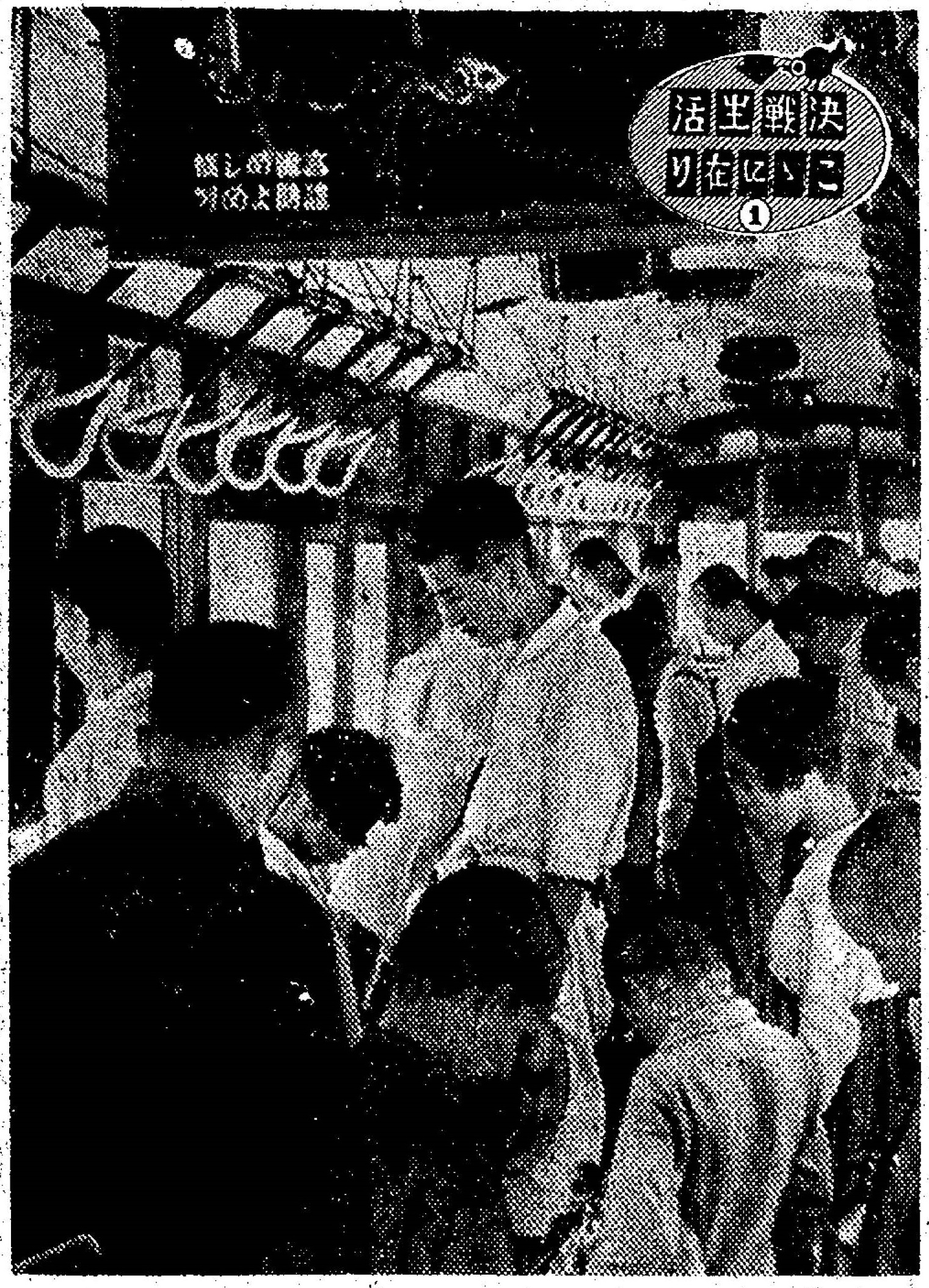
A Japanese author took a Busan-Seoul train in 1943 and saw some stylishly dressed young Koreans with a guitar and ‘American vibe’ speaking mostly in Korean mixed with English ‘okay’s, and was shocked that none onboard cared to observe the noon Moment of Silence to honor fallen Imperial soldiers

2023-03-18

920

1148

In this article, a famous Japanese author and novelist named Maruoka Akira (1907-1968) takes a trip to Korea in early

Read More
Imperial Way

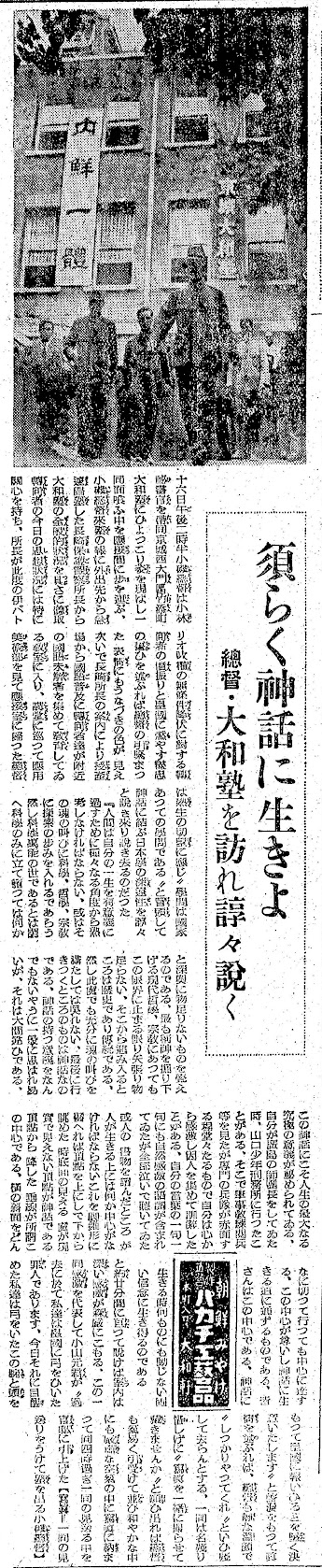
In February 1943, a massive network of Imperial Way Training Institutes was launched in Korea to initially train 500,000 Korean ‘leaders’ in ‘character building’ based on the ‘pure Japanese spirit and worldview’, but not in Japan proper because of the ‘high national character’ of the Japanese people

2023-02-09

791

2525

In February 1943, Governor-General Koiso issued an executive order creating a vast nationwide network of ‘Imperial Way Training Institutes’ that

Read More
Korean Workers

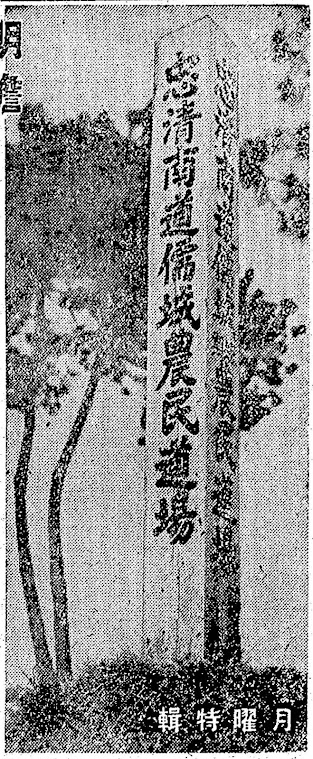
Young Korean men were ‘beaten into shape’ at militaristic farmers’ dōjō (Imperial Japanese training indoctrination camp) to cultivate the next generation of rural Korean leaders who would spread the Imperial Way of farming throughout the Korean countryside (Daejeon, 1943)

2022-07-18

727

3056

This is my translation and transcription of a news article from Keijo Nippo, a propaganda newspaper and mouthpiece of the

Read More
School

Converted Korean ‘ideological criminals’ (a.k.a. independence activists) at ‘Yamato Cram School’ tearfully apologize for fighting against Imperial Japan and are spellbound as Governor Koiso explains in propaganda speech that the greatest significance of life is hidden in Japanese mythology (1943)

2022-05-31

747

1038

This is my translation and transcription of a news article from Keijo Nippo, a propaganda newspaper and mouthpiece of the

Read More
Imperial Way

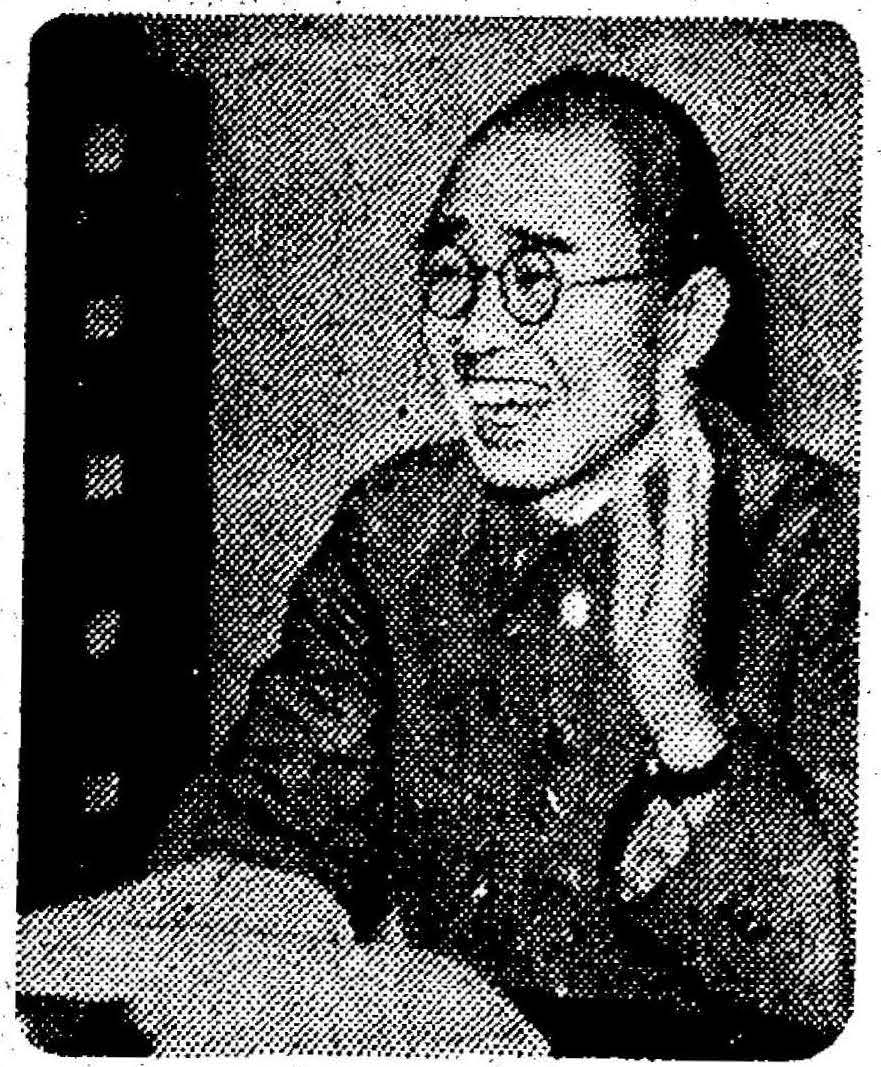
Imperial Japanese penal officials brag about brainwashing Korean ‘ideological criminals’ (a.k.a. independence activists) in ‘Yamato cram schools’ and converting them into enthusiastic collaborators willing to die shouting ‘Banzai to the Emperor!’ (Seoul 1943)

2022-05-23

736

3163

These are very interesting articles describing Korean ‘ideological criminals’, many of whom had upper class Yangban backgrounds, and how they

Read More
School

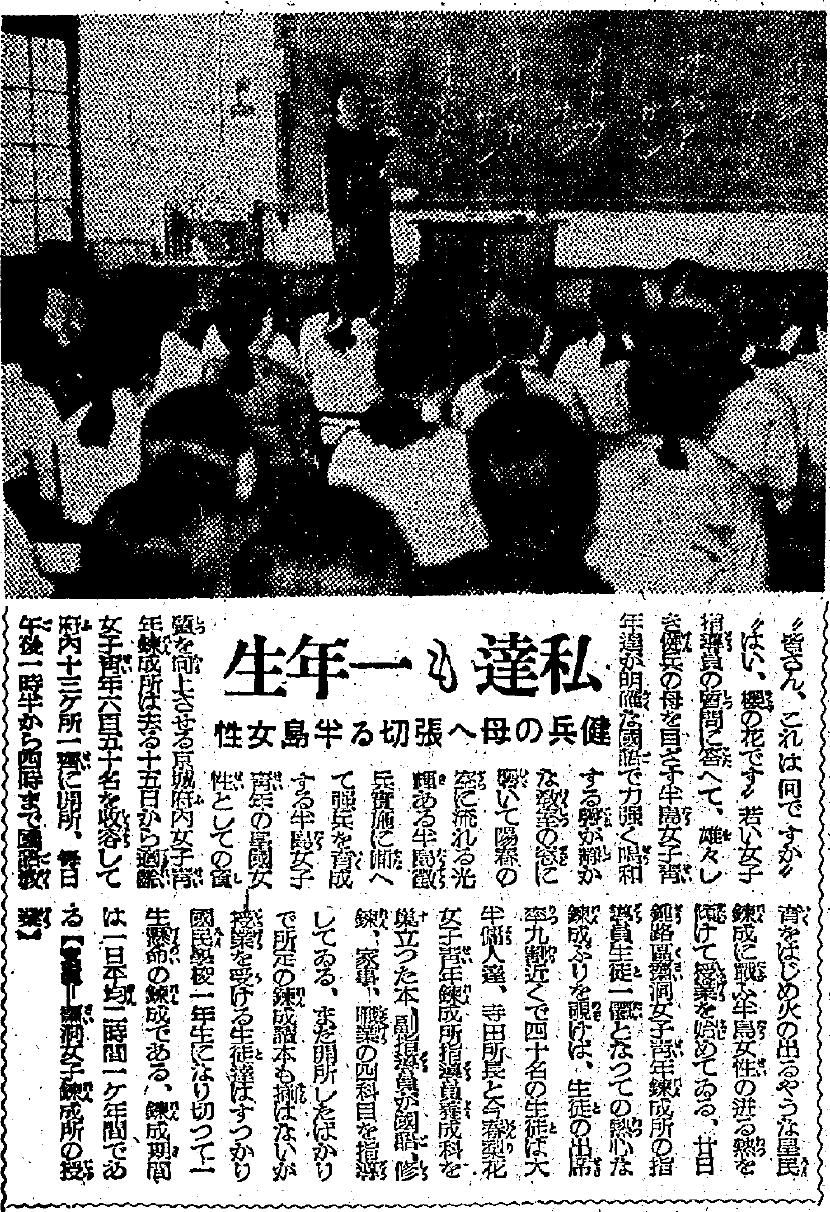
By April 1944, there were 13 internment camps in Seoul for Japanizing Korean girls into wives for Japanese soldiers, with most of the girls enlisted for military labor, and instructional time cut from all day to just the afternoons (photo: Japanese language class at a camp in Jongno-gu, Seoul)

2021-11-22

720

606

  This article from April 1944 shows that this system of internment camps had expanded to at least 13 in

Read More
Internment Camp

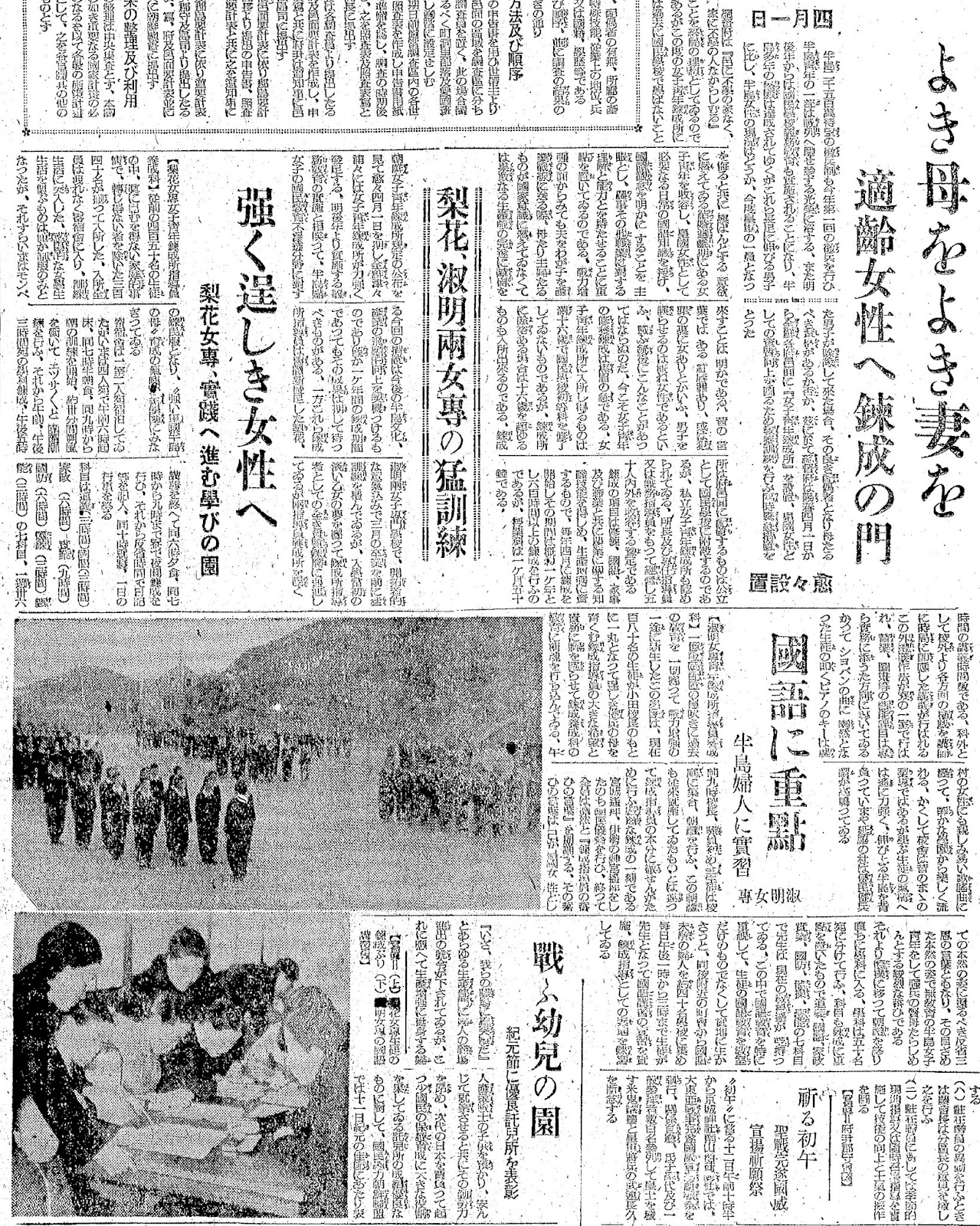
In 1944, the Japanese govt built internment camps in Korea to intensively train young Korean school girls in Japanese ways and turn them into assimilated mothers and wives of Japanese soldiers (top photo: Ewha students in training; bottom photo: Sookmyung students teaching Japanese to local women)

2021-11-22

804

1829

  TL;DR: In February 1944, the Japanese fascist government announced their plans to build internment camps all over Korea to

Read More

Recent Posts

  • Nazi German community in Seoul December 1941 celebrating Imperial Japan’s declaration of war
  • Wartime rations often vanished amid corrupt neighborhood leadership, leading to so much public anger that Imperial officials pleaded, ‘let us avoid becoming emotional with one another’ (Feb. 1945)
  • Inside the 1943 Seoul Crackdown on ‘Demonic Music’: Imperial Japan’s Campaign to Purge American and British Records, From Hawaiian Jazz to Dvořák, but German music (Beethoven, Mozart, Bach) and Italian music (Verdi) were allowed
  • How Imperial Japan spun a dead Korean industrial accident victim into a wartime hero: ‘Follow in the spirit of Mr. Lim!’, ‘The flower of the workplace!’ at Tōyō Metal in Sinuiju (October 1, 1943)
  • Rule by Fear: How Imperial Japan Expanded the Death Penalty and Toughened Sentences in Wartime Korea – Crackdowns on Protesters After Just One Warning (February 1944)

Recent Comments

  • vong quay on Imperial officials fanned out across rural Korea visiting townships one by one to indoctrinate villagers in Imperialist ideology in ‘Grassroots Penetration’ Campaign (March 1944)
  • act-two on Koiso’s 1943 ‘Great Leader’ Strongman Tours: Surprise village inspections to intimidate local leaders and impose Japanese language and culture all over the Korean countryside
  • laser marking machine on Koiso’s 1943 ‘Great Leader’ Strongman Tours: Surprise village inspections to intimidate local leaders and impose Japanese language and culture all over the Korean countryside
  • zorse on April 1945 Seoul dining: the public endured price-gouging and scraps, while privileged Japanese and Korean collaborator elites drank and feasted behind closed doors

Archives

  • December 2025
  • November 2025
  • October 2025
  • September 2025
  • August 2025
  • July 2025
  • June 2025
  • May 2025
  • April 2025
  • March 2025
  • February 2025
  • January 2025
  • December 2024
  • November 2024
  • October 2024
  • September 2024
  • August 2024
  • June 2024
  • May 2024
  • April 2024
  • March 2024
  • February 2024
  • January 2024
  • December 2023
  • November 2023
  • October 2023
  • September 2023
  • August 2023
  • July 2023
  • June 2023
  • May 2023
  • April 2023
  • March 2023
  • February 2023
  • January 2023
  • December 2022
  • November 2022
  • October 2022
  • September 2022
  • August 2022
  • July 2022
  • June 2022
  • May 2022
  • April 2022
  • March 2022
  • February 2022
  • January 2022
  • December 2021
  • November 2021

Meta

  • Log in
  • Entries feed
  • Comments feed
  • WordPress.org

Categories

  • Agriculture
  • Business
  • Christianity
  • Clothing
  • Comfort Women
  • Currency
  • Daily Life
  • Education
  • Entertainment
  • Food
  • Food Shortages
  • Foreign Residents
  • Imperial Way
  • Internment Camp
  • Japanese Language
  • Korean Royal Family
  • Korean Workers
  • Medical
  • Military
  • Model Korean Family
  • Moment of Silence
  • Philosophy
  • Police
  • Post-Liberation
  • Press
  • Prisoners of War
  • School
  • Travel
  • Uncategorized
  • University

Pages

  • About me
  • Donate
  • Get Involved
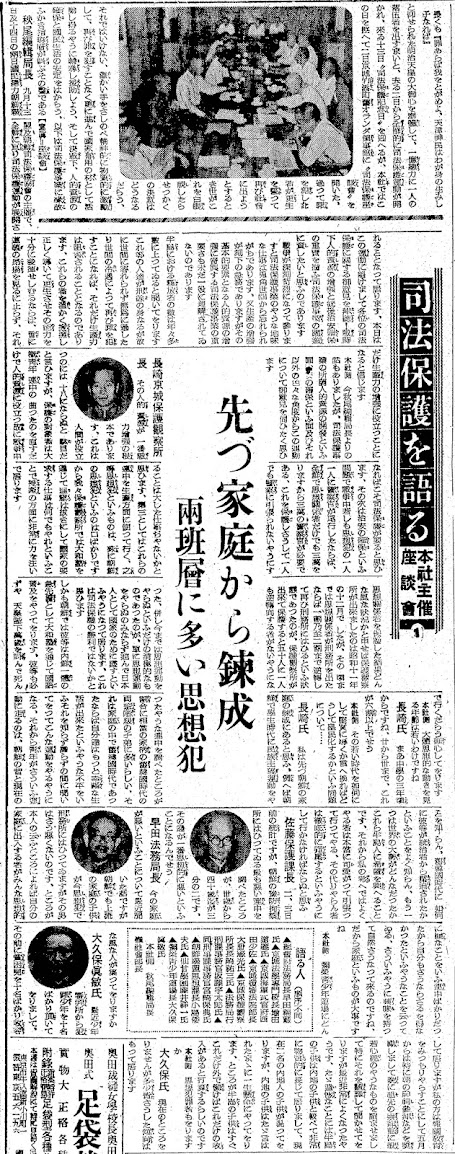
  • Imperial Japanese penal official said Korean 'ideological criminals' (independence activists) were 'not well made as human beings', but 'if only their thoughts could be corrected, then they will get better' so they can be 'used' for wartime labor, but 'this is not the case with ordinary criminals'
  • Nostalgia for Imperial Japan and its undercurrents in Kishi Nobusuke's legacy in postwar Japan, in Park Chung-hee and Chun Doo-hwan's legacy in South Korea, and why access to wartime newspapers of Japan-occupied Korea is important to combat historical misinformation by the far-right in both countries
  • Simon Young Kim (김영근), a South Korean violin virtuoso and disciple of famous violinist Jascha Heifetz, Simon was once my teacher and mentor, and his son was my best friend in elementary school
Exposing Imperial Japan
Designed & Developed by WpTheme Space