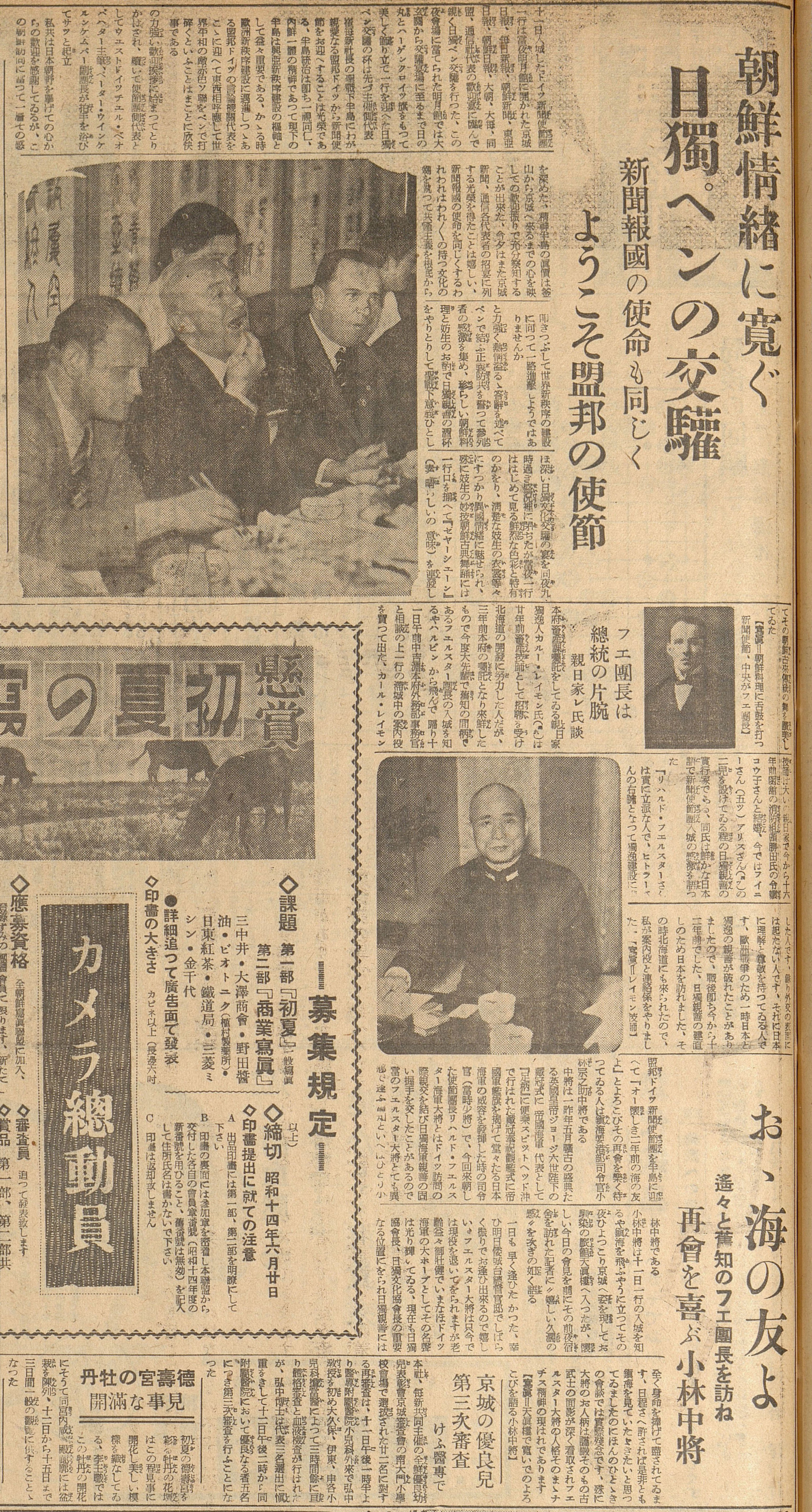

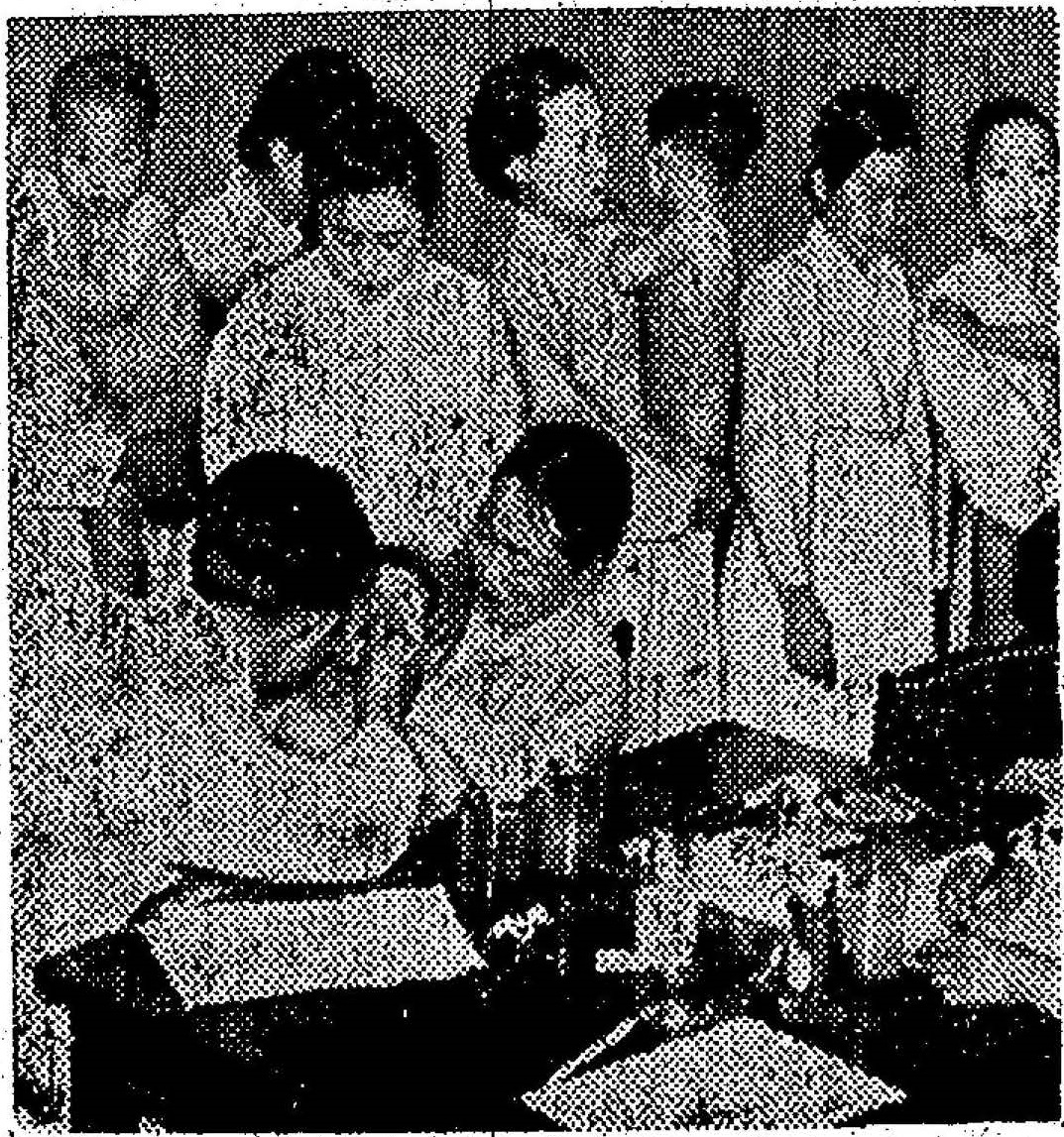
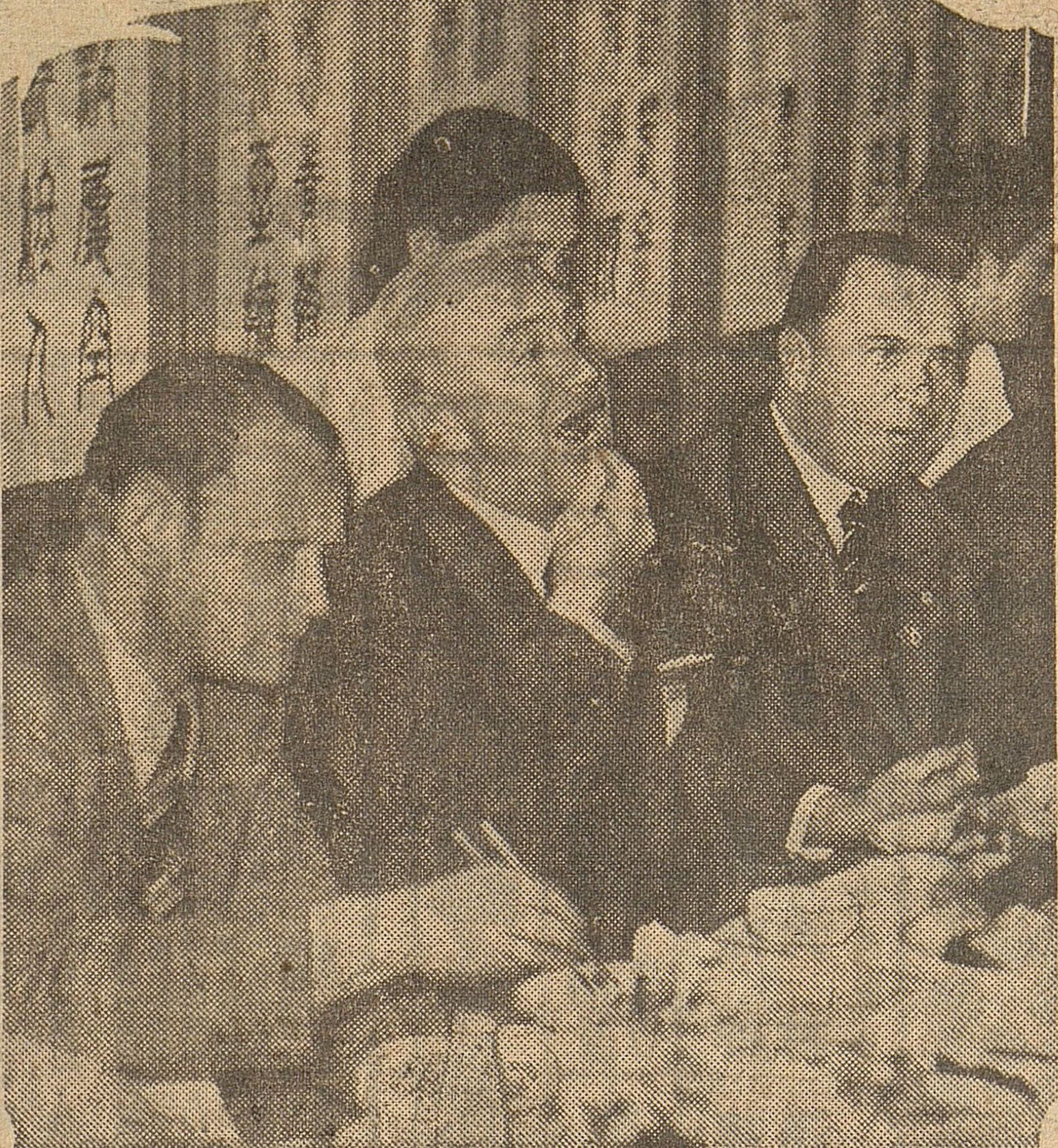
‘Hitler’s right-hand man’ Richard Foerster and Nazi editor Peter Winkelnkemper enjoy Korean cuisine and kisaeng entertainment at a Seoul press banquet, May 11, 1939
It is May 11, 1939 between 7 and 9 p.m. at a high-end restaurant in colonial Seoul hosted a banquet honoring a Nazi German delegation led by Richard Foerster (1879-1952), who served as a leader in German-Japanese diplomacy after retiring from active naval service. In the photo, he appears at the center with his mouth open, a Korean kisaeng standing just behind him. Sitting to Foerster’s right, holding chopsticks, appears to be Peter Winkelnkemper (1902-1944), the editor-in-chief of Cologne Nazi newspaper Westdeutscher Beobachter.
Also in attendance were representatives from all the major newspapers of Korea, including the three main Korean language newspapers (Maeil Sinbo, Dong-A Ilbo, Chosun Ilbo). The opening remarks were delivered by Choi Rin, president of Maeil Sinbo, who praised Imperial Japanese rule in Korea under the slogans “Japan-Korean unification,” and called for Japan and Germany to “smash” the Soviet Union. During the Korean War, Choi Rin would be abducted to North Korea, where he died in 1958. Dong-A-Ilbo and Chosun Ilbo would later be shut down by authorities in 1940, leaving Maeil Sinbo as the last remaining Korean-language newspaper in Korea.
The Nazi German guests were entertained by Kisaeng, or Korean female entertainers who sing, dance, play musical instruments and write poems to entertain upper-class men. In earlier times, their work did not necessarily always involve sexual service, but during Japanese colonial rule of Korea, they were more closely associated with sex work. By the 1940s, the vast majority were involved in prostitution.
Adjacent to this article is another article introducing us to the German resident in Imperial Japan who volunteered to translate and guide the delegation: Carl Raymon, a German immigrant from Bohemia who settled in Hokkaido, Japan, married a local, and founded a sausage business that still exists to this day. Foerster helped out Raymon’s business in 1928 when his warship docked in Hakodate and made big purchases of his meat products.
Japanese online biographies remember Raymon as a German artisan who loved Japan, developed livestock and meat-processing techniques, and suffered persecution and suspicion during the wartime period after his business was taken over by the authorities. However, this article portrays him as being in very good terms with Imperial Japanese and Nazi authorities: in Korea as an advisor to the colonial regime, and as a volunteer guide and translator for the Nazi delegation, while quoting him praising Foerster as the “right-hand man of Hitler”. It goes to show that the popular legacy narrative about Raymon is incomplete and potentially sanitized.
The third article introduces Lieutenant General Kobayashi, who had befriended Foerster during the 1937 coronation naval review for King George VI and his subsequent visit to Germany.
[Translation]
Gyeongseong Ilbo (Keijo Nippo), May 12, 1939
Relaxing Amid Korean Atmosphere
Japanese-German Fellowship of the Pen
The Shared Mission of Serving their Nations Through Journalism
Welcome, Envoys of Our Allied Nation!
The German newspaper delegation, which entered Seoul on the 11th, attended a welcoming banquet that evening at Meigetsukan, hosted by representatives of the Keijō Nippō, Maeil Sinbo, Chōsen Shimbun, Dong-A Ilbo, Chosun Ilbo, Osaka Asahi Shimbun Korea Edition, Osaka Mainichi Shimbun Korea Edition, and Dōmei News Agency, where they engaged in a warm fellowship of pens between Japan and Germany.
At Meigetsukan, which served as the venue for the evening, the grand entrance and the path leading to the banquet hall were beautifully decorated with the Japanese Rising Sun and swastika flags to welcome the party. The fellowship of pens between Japan and Germany began with a powerful welcoming address by President Choi Rin (최린, 崔麟) of the Maeil Sinbo, representing the hosts:
“It is an honor to welcome newspaper envoys from our dear allied nation Germany to the Korean peninsula amid the Holy War. The governance of the Korean peninsula is founded on the spirit of impartial benevolence and Japanese-Korean unification, and the Korean peninsula today is becoming increasingly important as a central axis in the construction of the New Order in East Asia. At such a time, it is truly the most gratifying occasion to welcome here the representatives of the press organs of our allied Germany, which is advancing toward the construction of a New Order in Europe, and for East and West to respond to one another in smashing, with the pen, the red Soviet Union: the enemy of world peace.”
The toasts were then exchanged. Next, as representative of the delegation, Deputy Delegation Head Peter Winkelnkemper, editor-in-chief of the Westdeutscher Beobachter, rose briskly to applause and gave the following impassioned reply:
“We are grateful for the heartfelt welcome extended by all levels of Japanese society, public and private, and this visit to Korea has deepened that feeling all the more. The true value of this spiritual peninsula could be fully understood from the heartfelt welcome shown to us on our journey from Busan to Seoul. This evening, too, I am pleased to have the honor of attending this banquet hosted by the representatives of Seoul’s newspapers and news agencies. Sharing the same mission of serving the nation through journalism, let us take up the sword of culture that we possess, crush communism from its roots, and advance straight ahead toward the construction of a New World Order.”
With this forceful and passionate response, he pledged righteous anti-communism bound together by the pen, deeply moving those in attendance. Cups of friendship between Japan and Germany were exchanged over rare Korean cuisine and drinks poured by kisaeng. Thus, the banquet of Japanese-German cultural fellowship, especially meaningful amid the Holy War, came to a successful close shortly after 9 p.m.
That evening, the delegation was completely captivated by the exotic atmosphere: the vivid colors they were seeing for the first time, the distinctive fragrance, the neat and graceful costumes of the kisaeng, and more. In particular, when they witnessed the kisaeng’s skillful performance of classical Korean dance, the members of the delegation repeatedly exclaimed in unison, “Sehr schön!” — meaning “very splendid!” — praising the traditional dance handed down from ancient Korea.
[Photo caption: The newspaper delegation enjoying Korean cuisine. Delegation Head Richard Foerster is in the center.]
Delegation Head Richard Foerster Is the Führer’s Right-Hand Man
Pro-Japanese Mr. Raymon Speaks
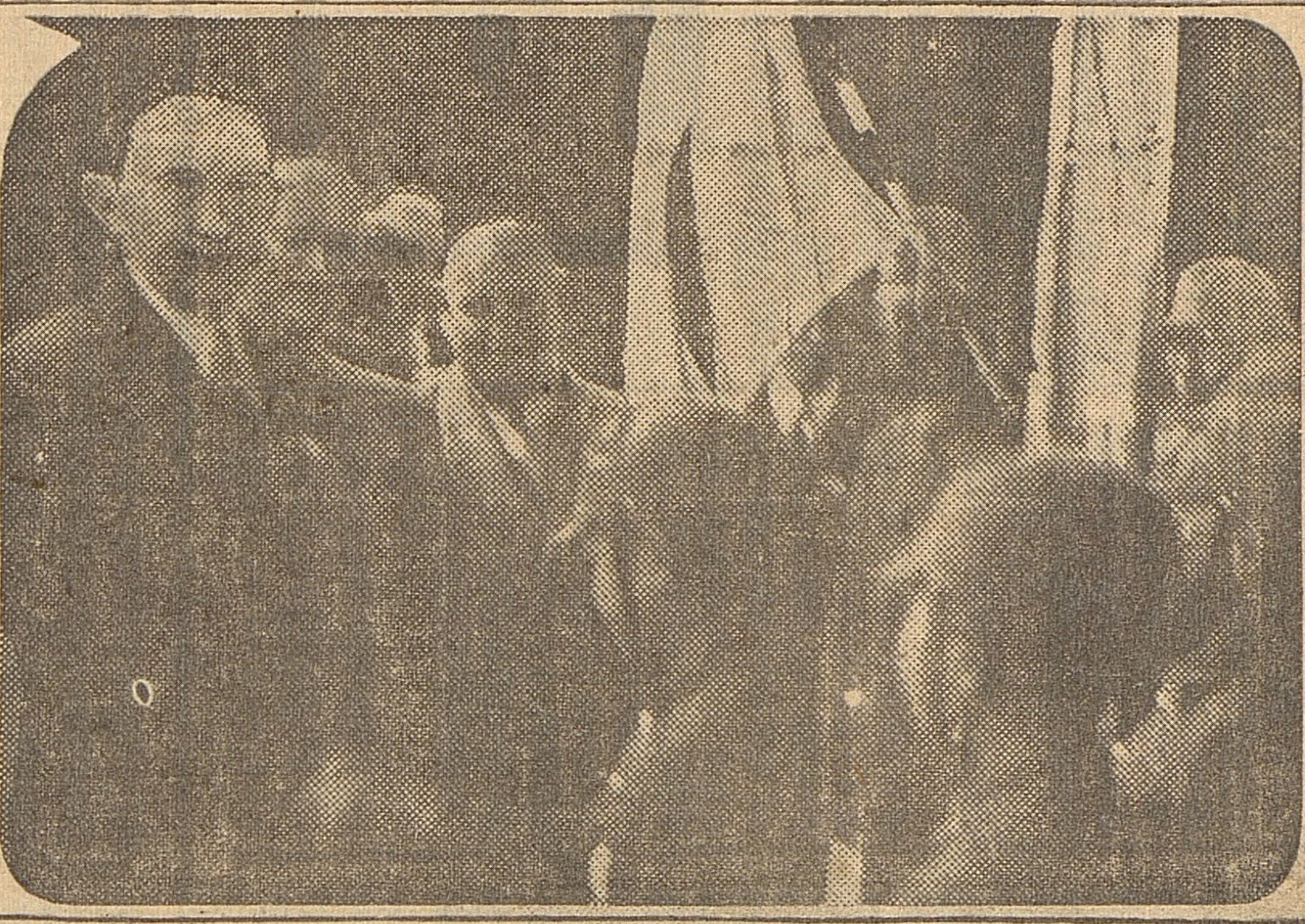
Carl Raymon (46-years-old) is a pro-Japanese German who serves as an advisor to the Livestock Section of the Government-General of Korea. Twenty years ago, he was invited to Japan as a livestock engineer and worked toward the development of Hokkaidō. Three years ago, he became an advisor to the Government-General and came to Korea.
Upon learning that Delegation Head Richard Foerster, his great senior and old acquaintance, had entered Seoul, Raymon hurried back from Harbin. On the morning of May 11th, after consulting with Yoshifuchi, an official of the Foreign Affairs Department of the Government-General, Engineer Carl Raymon volunteered to serve as guide for the delegation during their stay in Seoul.
Engineer Raymon is a great pro-Japanese figure. Sixteen years ago, he married Yūko, the daughter of Mr. Katsuta, head of the Hakodate fire brigade. He now has two children, Finny, age five, and Alice, age four. In this way, he is a true practitioner of friendship between Japan and Germany.
Speaking in fluent Japanese, he described his excitement at the arrival of the newspaper delegation:
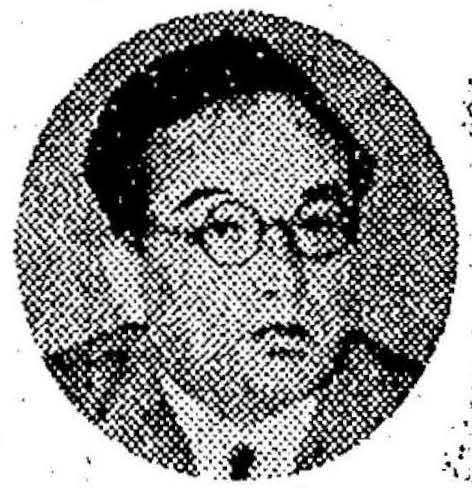
“Richard Foerster is truly a splendid man. He served as Hitler’s right-hand man and devoted himself to the construction of Germany. He is not someone who is superficial when it comes to diplomacy. Moreover, he is a man who has understanding and respect for Japan.
“Because of the European war, there was a time when friendship between Japan and Germany was broken. That was during the war — twelve years ago now. For the purpose of rebuilding Japanese-German friendship, he visited Japan. At that time, he also came to Hokkaidō, and I served as his guide and liaison.”
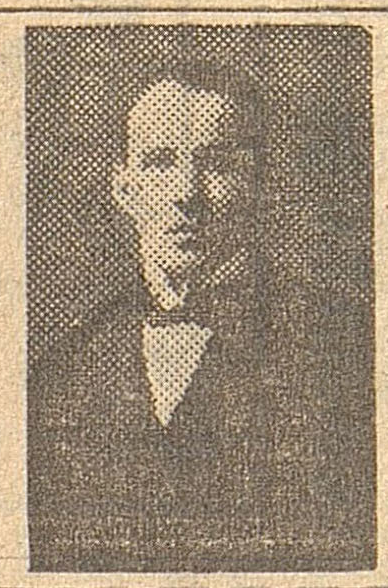
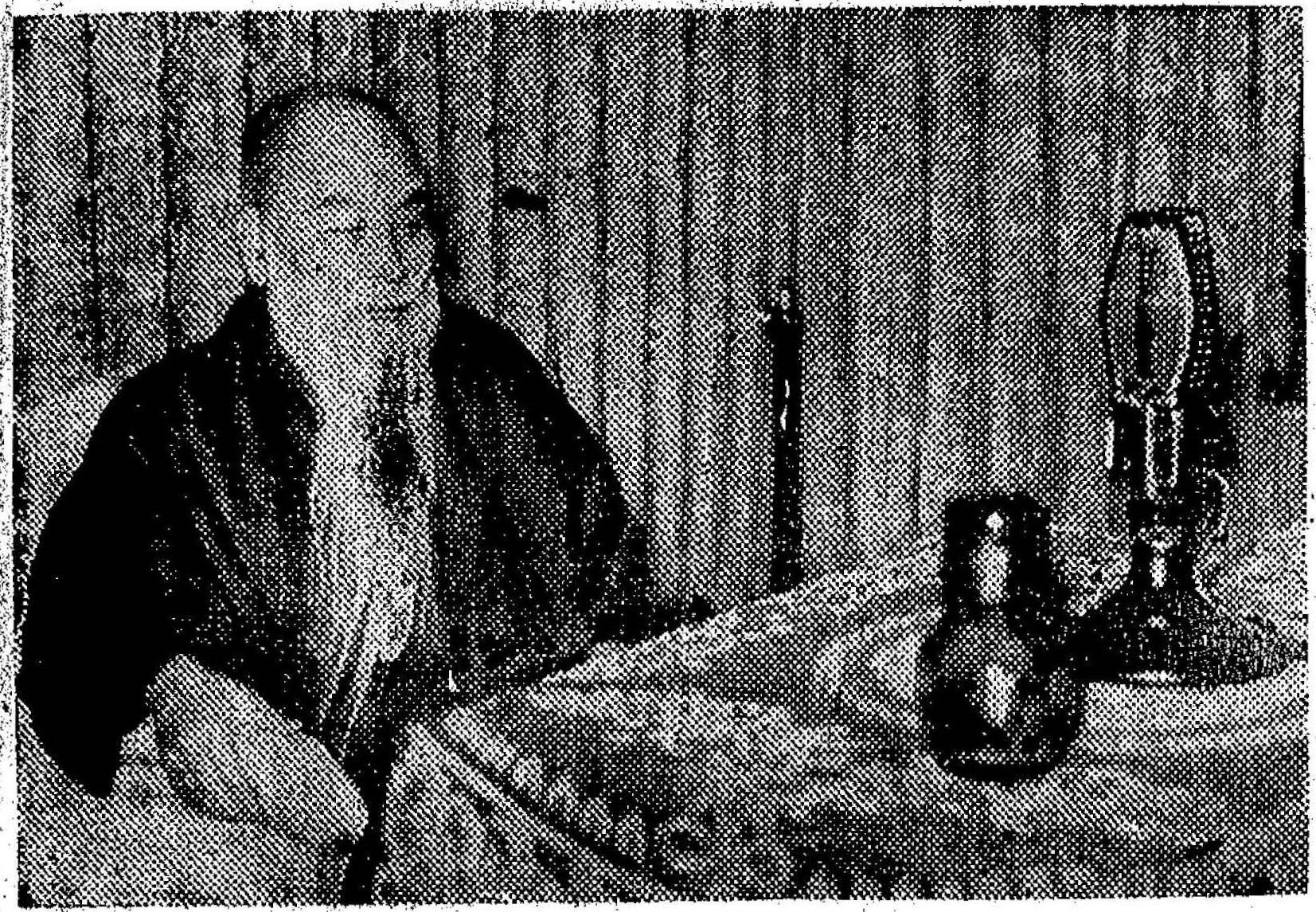
[Photo: Engineer Raymon]
O Friend of the Sea
Lieutenant General Kobayashi Comes from Afar, Eager to Revisit His Old Acquaintance, Delegation Head Foerster
“Oh, my dear old friend of the sea from two years ago!” Welcoming the arrival of the newspaper delegation from our allied nation Germany in the Korean peninsula, the person joyfully awaiting reunion with the words, “Oh, my dear old friend of the sea from two years ago,” is Lieutenant General Kobayashi Sōnosuke, commander of the Jinhae (진해, 鎭海) Naval Station.
In May of the year before last, Lieutenant General Kobayashi, then a rear admiral, served as the commander when he accompanied the cruiser Ashigara as the representative of the Imperial Japanese Navy to the unprecedentedly grand ceremony of the coronation of His Majesty King George VI of Britain. At the coronation fleet review held off Spithead, he flew the Imperial warship flag and magnificently displayed the imposing dignity of the Japanese Navy.
During his visit to Germany, Kobayashi formed a friendship with Admiral Richard Foerster, head of the delegation now visiting Korea, and the two exchanged a firm handshake of friendship between the Japanese and German navies. For Admiral Foerster himself, the one old acquaintance whom he would meet in this foreign land is none other than Lieutenant General Kobayashi.
Upon learning on May 11th that the delegation had entered Seoul, Lieutenant General Kobayashi left Jinhae as if flying and unexpectedly appeared in Seoul that evening, entering his familiar inn, Tenshinrō. On the eve of the long-awaited meeting, a reporter visited him at his lodging, where he spoke as follows about his joy after not having seen him in a long time:
“I wanted to see him again as soon as possible. Fortunately, tomorrow I will be able to meet him at the Governor-General’s residence at Waeseongdae (왜성대, 倭城臺) for the first time in some while, and I am very pleased.
“Admiral Foerster has now retired from active service, but despite his advanced age, he is more vigorous than ever. Even now, his name shines brightly as a great hope of the German Navy. At present, he occupies the important positions of president of the Japan-Germany Association and president of the Japan-Germany Cultural Association, and he has devoted himself completely, body and soul, to friendship between Japan and Germany.
“Had the schedule permitted, I would very much have liked him to see Jinhae. It is truly regrettable that we will have only a brief conversation.
“In particular, the Admiral’s character is the very picture of solemn integrity. One can strongly perceive in him the bearing of an old warrior. Admiral Foerster’s personality itself is a manifestation of the Nazi spirit.”
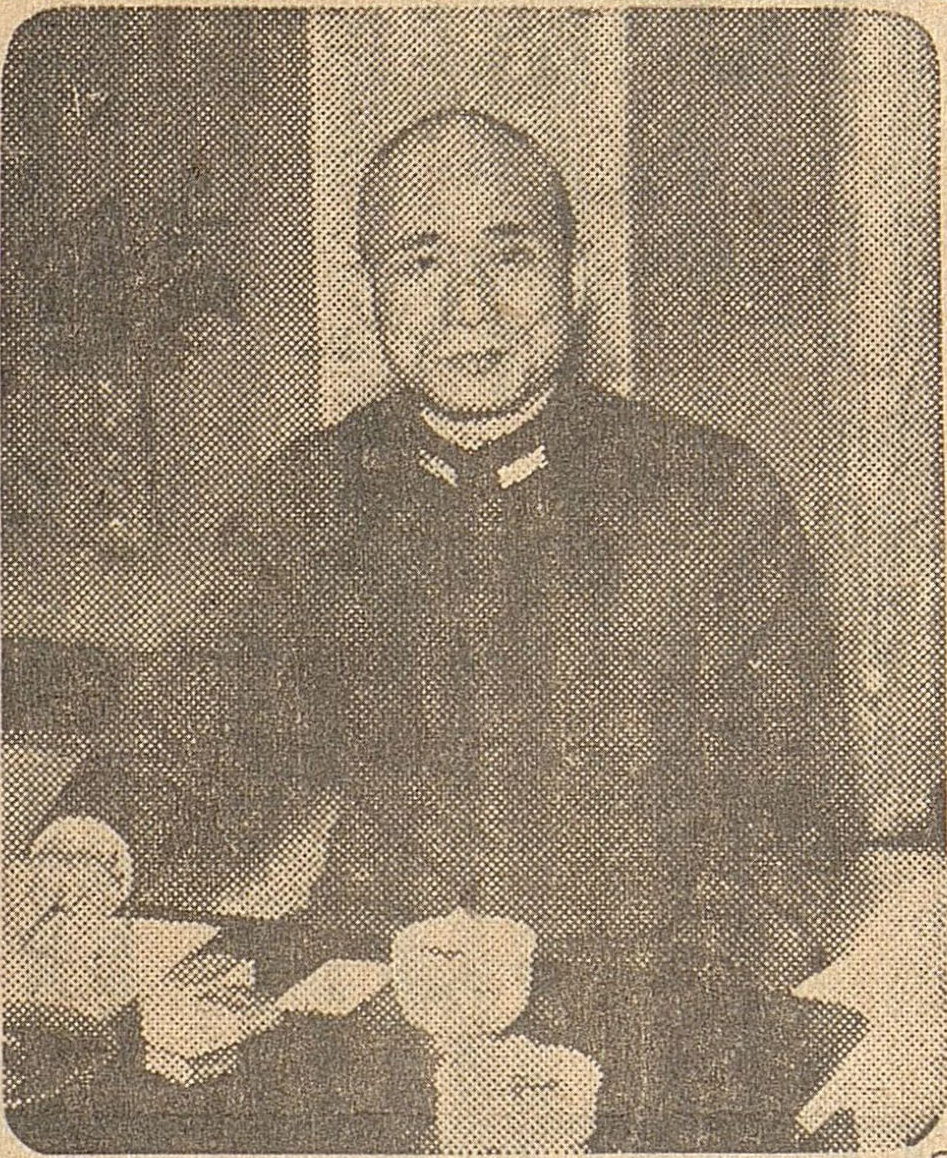
[Photo: Lieutenant General Kobayashi at ease in Tenshinrō, speaking of his joy.]
[Transcription]
京城日報 1939年5月12日
朝鮮情緒に寛ぐ
日独ペンの交驩
新聞報国の使命も同じく
ようこそ盟邦の使節
十一日入城したドイツ新聞使節団一行は当夜明月館に開かれた京城日報、毎日新報、朝鮮新聞、東亜日報、朝鮮日報、大朝、大毎、同盟通信社代表の歓迎宴に臨んで親しく日独ペン交驩を行った。この夜会場に当てられた明月館では大玄関から交驩宴場に至るまで日の丸とハーケンクロイツ旗をもって美しく飾り立て一行を迎えた日独ペン交驩の杯は先ず主催側代表:
崔毎新社長の:聖戦下半島にわが親愛なる明邦ドイツから新聞使節をお迎えすることは光栄である。半島統治は即ち一視同仁、内鮮一体の精神であって現下の半島は興亜新秩序建設の枢軸として益々重要である。かかる時欧州新秩序建設に邁進しつつある明邦ドイツの言論機関代表をここに迎えて東西相呼応して世界平和の敵赤色ソ聯をペンで打砕くということはまことに欣快事である。
の力強い歓迎挨拶に始まってとりかわされ、続いて使節団側代表としてウェストドイツチュル・ベオバハター主筆、ペーター・ウィンケルンケムパー副団長が拍手を浴びてサッと起立:
私共は日本朝野を挙げての心からの歓迎を感謝しているが、この朝鮮訪問に当って一層その感を深めた。精神半島の真価は釜山から京城へ来るまでの心を映しての歓迎振りで充分察知することが出来た。今夕はまた京城新聞、通信各代表者の招宴に列する光栄を得たことは嬉しい。新聞報国の使命を同じくするわれわれはわれわれの持つ文化の剣を執って共産主義を根底から叩きつぶして世界新秩序の建設に向って一路進撃しようではありませんか。
と力強く熱情溢るる答辞を述べてペンで結ぶ正義防共を誓って参列者の感激を集め、珍しい朝鮮料理と妓生のお酌で日独親善の酒杯をやりとりして聖戦下意義ひとしお深い日独文化交驩の宴を同夜九時過ぎ盛況裡に閉じたが当夜一行ははじめて見る鮮烈な色彩と特有のかおり、清楚な妓生の衣裳等々にすっかり異国情緒に魅せられ、殊に妓生の妙技朝鮮古典舞踊には一行口を揃えて『ゼヤーシェーン』(素晴らしいの意味)を連発してその朝鮮古来伝統の舞を讃美していた。
【朝鮮料理に舌鼓を打つ新聞使節、中央がフエ団長】
フエ団長は総統の片腕
親日家レ氏談
本府畜産課嘱託をしている親日家独逸人カール・レイモン氏(四六)は二十年前畜産技師として招聘を受け北海道の開発に努力した人だが、三年前本府の嘱託となり来鮮したもので、今度大先輩で旧知の間柄であるフェルスター団長の入城を知るやハルビンから飛んで帰り十一日午前中吉淵本府外務部事務官と相談の上一行の滞城中の案内役を買って出たカール・レイモン技師は大いの親日家で今から十六年前函館の消防組頭勝田氏の令嬢ユウ子さんと結婚。今ではフィニーさん(五つ)アリスさん(四つ)の二児を設けている程の日独親善の実行家である。同氏は鮮やかな日本語で新聞使節団入城の感激を語った。
『リハルド・フェルスターさんは実に立派な人で、ヒトラーさんの右腕となって独逸建設に尽くした人です。余り外交の表面には起たない人です。それに日本に理解と尊敬を持っている人です。欧州戦争のため一時日本と独逸の親善が破れたことがありましたので、戦争即ち今から十二年前でした。日独親善の建直しのため日本を訪れました。その時北海道にも来られたので、私が案内役と連絡係をやりました』
【写真=レイモン技師】
おお海の友よ
遥々と旧知のフエ団長を訪ね
再会を喜ぶ小林中将
明邦ドイツ新聞使節団を半島に迎えて『オー懐かしき二年前の海の友よ』とよろこびその再会を楽しく待っている人は鎮海要港部司令官小林宗之助中将である。
中将は一昨年五月曠古の盛典たる英国皇帝ジョージ六世陛下の戴冠式に帝国海軍代表として『足柄』に便乗スピットヘッド沖で行われた戴冠奉祝観艦式に帝国軍艦旗を掲げて堂々たる日本海軍の威容を発揮した時の司令官(当時少将)で、今回来朝した使節団長リハルド・フェルスター海軍大将とはドイツ訪問の際親交を結び日独海軍親善の固い握手を交わしたことがあるので当のフェルスター大将とても異郷で逢う旧知といえばひとり小林中将である。
小林中将は十一日一行の入城を知るや鎮海を飛ぶように立ってその夜ひょっこり京城へ姿を現わしてお馴染みの旅館天真楼へ入ったが、懐かしい今日の会見を前にその前夜宿舎を訪れた記者に”嬉しい久闊の感”を次ぎの如く語る。
一日も早く逢いたかった。幸い明日倭城台総督官邸でしばらく振りでお逢い出来るので嬉しい。フェルスター大将は只今では現役を退いておられますが老齢益々御壮健でいまなおドイツ海軍の大ホープとしてその名声は光り輝いている。現在も日独協会長、日独文化協会長の重要なる位置におられ日独親善には全く身命を捧げて尽くされています。日程さえ許されば是非とも鎮海を見ていただきたいとおもっていましたのに、ほんのひとときの会談では実際残念です。殊に大将のお人柄は謹厳そのもの古武士の面影が深く看取されフェルスター大将の人格そのままナチス精神の現れであります。
【写真=天真楼で寛いでのよろこびを語る小林中将】
Source: Digital Newspaper Archive, National Library of Korea
See also:
- In May 1939, a Nazi German newspaper delegation toured colonial Korea and was welcomed in Seoul with swastika flags, shrine visits, and official receptions (link)