

Colonial authorities discussed how to reduce prenatal/infant mortality rates in the midst of severe 1943 wartime food shortages, declaring that the Korean children belong to Imperial Japan and not to the mother, who must raise them into future soldiers and leaders of the Co-prosperity Sphere
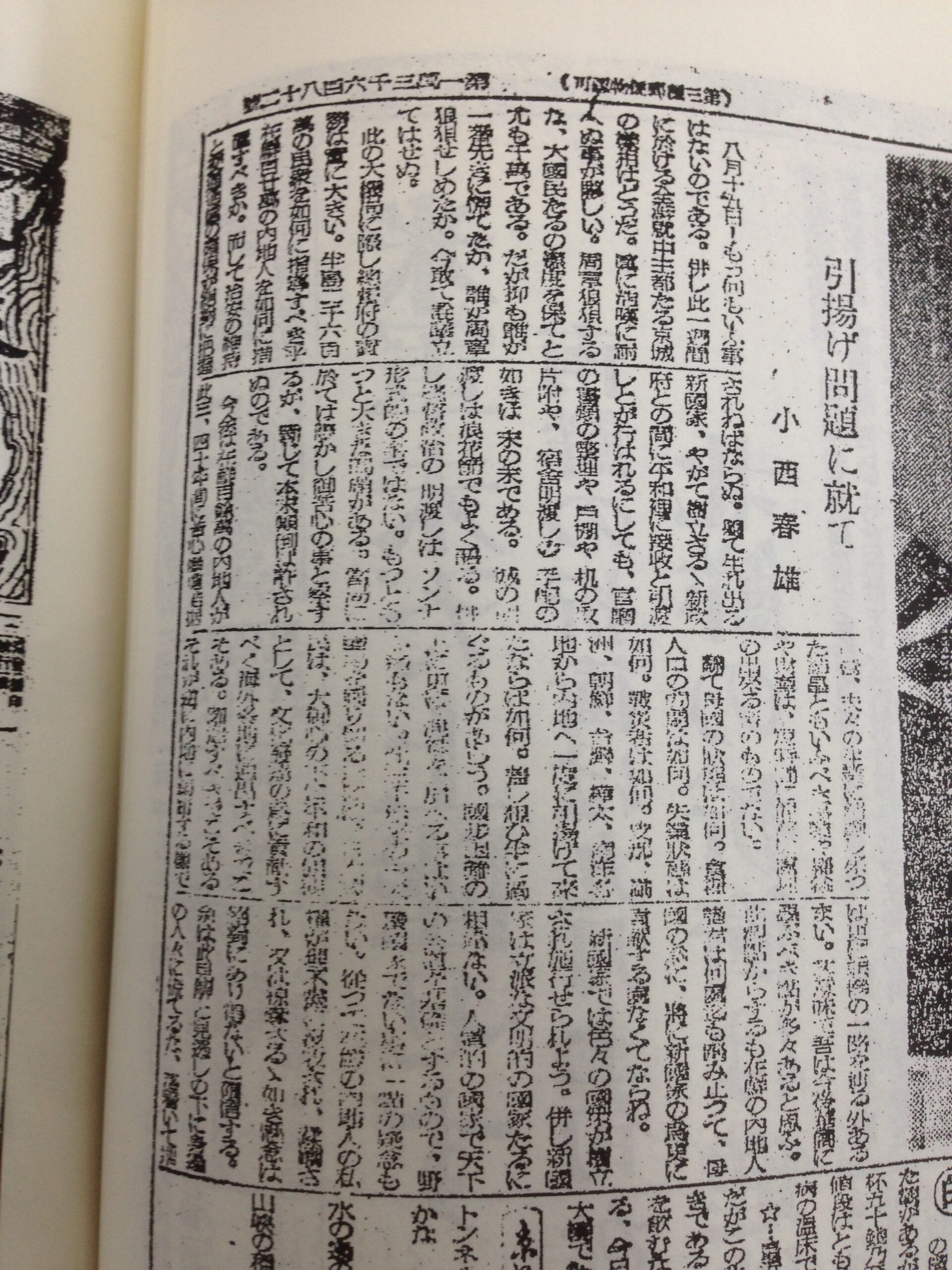
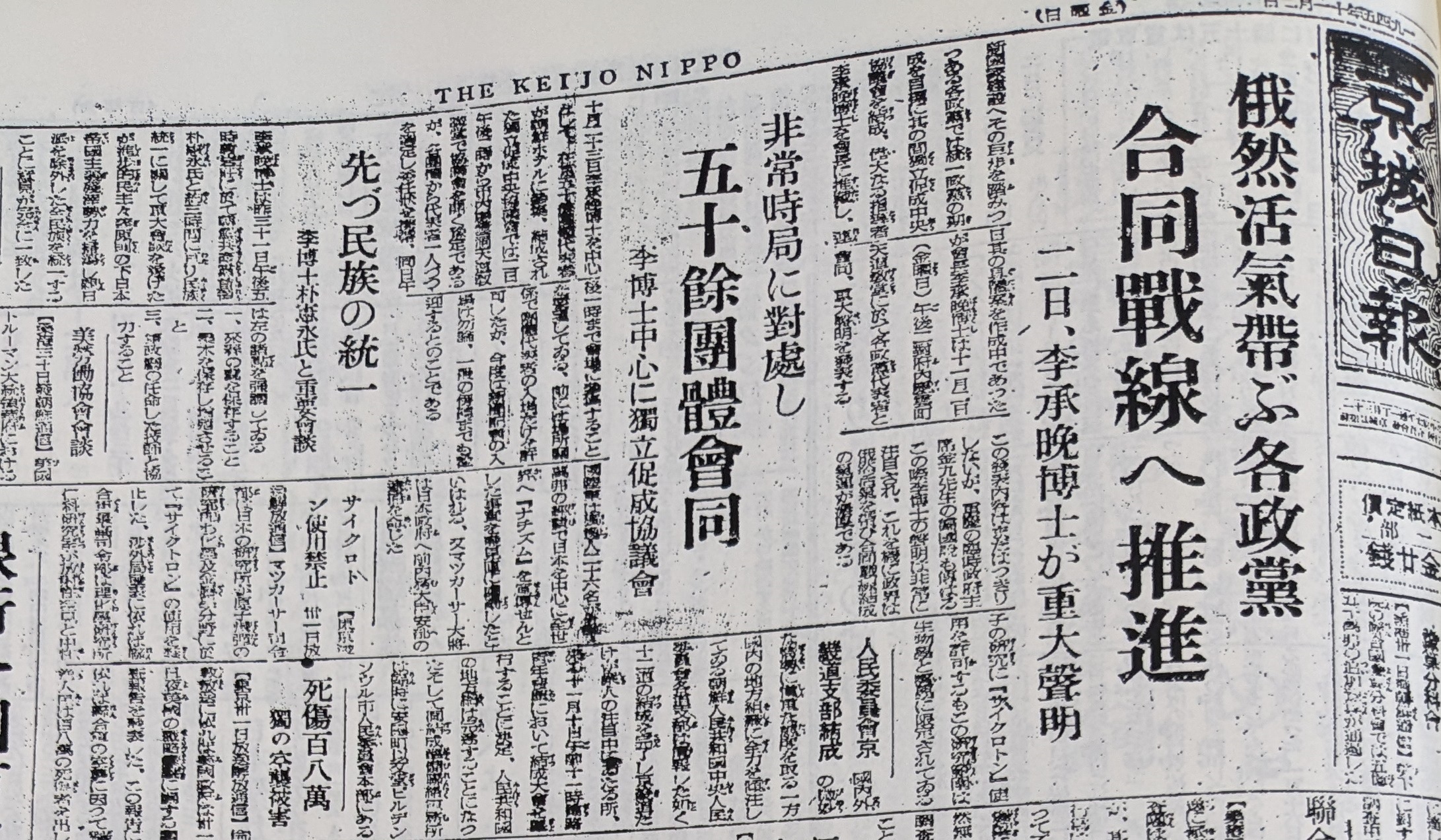
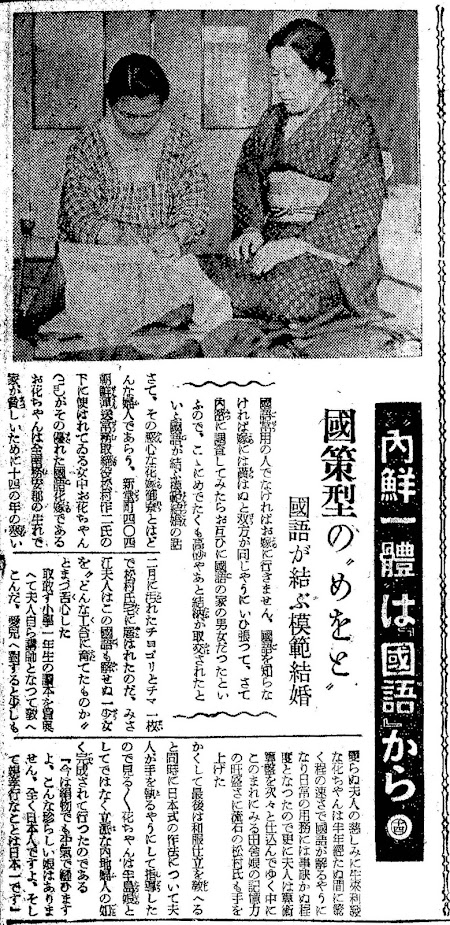
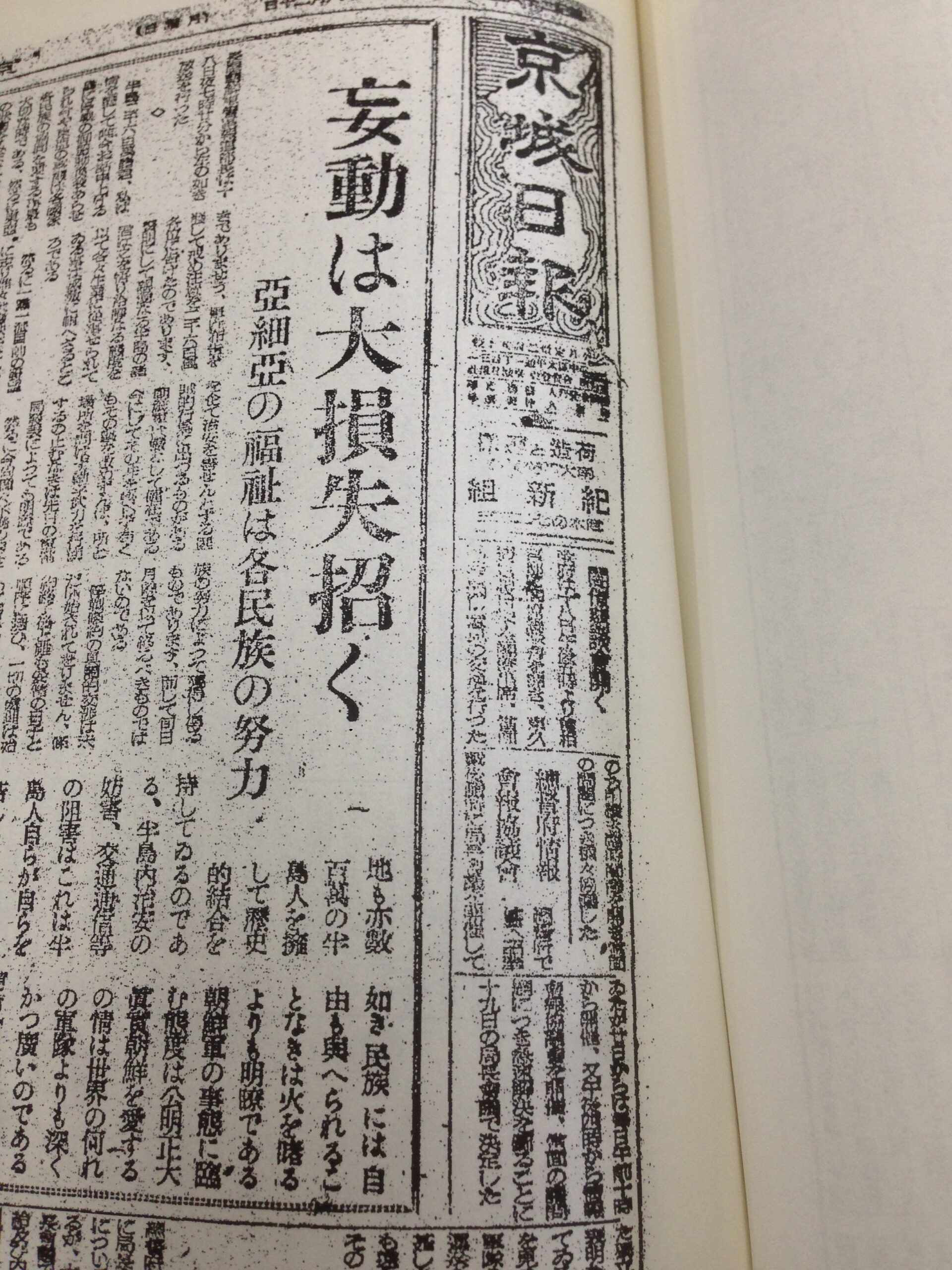
This is my translation and transcription of three news articles from Keijo Nippo, a propaganda newspaper and mouthpiece of the government of Japan-colonized Korea. They have never been republished or translated before, to the best of my knowledge. They provide a revealing glimpse into the desperate suffering of the nursing babies, infants, and mothers of Korea amid the tremendous stresses of World War II.
Over three days (three parts) in May 1943, the newspaper gathered together a panel of experts from the medical field, schools, social welfare departments, and the colonial government to discuss how to reduce prenatal and infant mortality rates.
In the first part, they discussed ways to increase the population of Imperial Japan by reducing miscarriages, throwing around ideas like lowering the marriage age, prioritizing food rations for pregnant women, instituting maternal leave, promoting delivery in hospitals, and controlling tuberculosis.
In the second part, they discussed mothers and children suffering from food shortages (baby formula, eggs, dairy milk, fish, tofu, etc.), and prioritizing food rationing to expectant and nursing mothers with doctor’s certificates, promoting breast milk, and teaching dental hygiene using salt or toothpaste to brush teeth, concluding with a declaration that infants are the property of the nation.
In the third part, more politically charged than the previous two parts, they discussed ‘proper’ child rearing practices and children’s spiritual education, emphasizing that the mother should adopt a faithful devotion to all household as a form of devotion to the Emperor, that the ‘previously prevailing individualistic and liberal attitude on children’s education must be abandoned’, and children must worship at the kamidana (small Shinto altar) every morning.
I have not done a thorough fact check of all the medical advice in these old articles, but needless to say that they should all be taken with a healthy dose of skepticism, as several pieces of advice already look pretty suspect first glance, especially their tips on raising children.
(Translation)
Gyeongseong Ilbo (Keijo Nippo) May 1, 1943
Child Protection Roundtable Discussion (Sponsored by the newspaper head office) (Part 1 of 3)
Give birth to 100 million more people!
Pregnant women are not comfortable with queuing up to buy things
Participants:
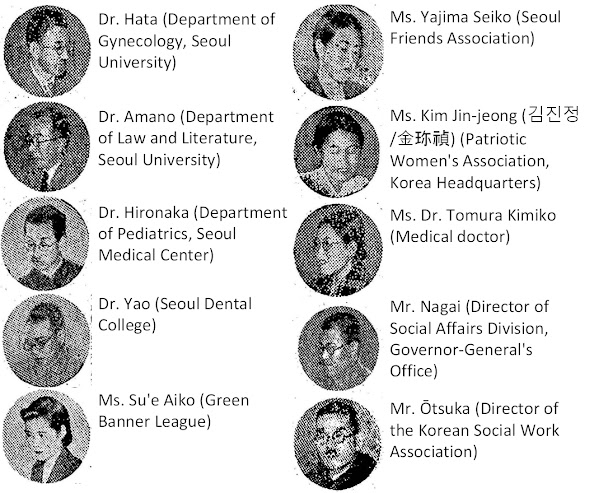
- Dr. Hata (Department of Gynecology, Seoul University)
- Dr. Amano (Department of Law and Literature, Seoul University)
- Dr. Hironaka (Department of Pediatrics, Seoul Medical Center)
- Dr. Yao (Seoul Dental College)
- Ms. Su’e Aiko (Green Banner League)
- Ms. Yajima Seiko (Seoul Friends Association)
- Ms. Kim Jin-jeong (김진정/金珎禎) (Patriotic Women’s Association, Korea Headquarters)
- Ms. Dr. Tomura Kimiko (Medical doctor)
- Ms. Choi Yang-yo (최양요/崔良窯) (Gyeonggi Girls’ High School)
- Mr. Nagai (Director of Social Affairs Division, Governor-General’s Office)
- Mr. Iwasa (Social Affairs Division, Governor-General’s Office)
- Mr. Ōtsuka (Director of the Korean Social Work Association)
- Mr. Kojima (Director, Welfare Department, Korean Federation of National Power)
- Mr. Jeong (Director of the Editorial Bureau for Mainichi Shimbun)
- Mr. Hong (Director of Social Affairs Department of Mainichi Shimbun)
- Mr. Mine (Director of Social Affairs Department, Keijo Nippo Head Office), Mr. Suzuki, (Director of Business Department, Keijo Nippo Head Office), and Mr. Kagawa (Reporter, Keijo Nippo Head Office)

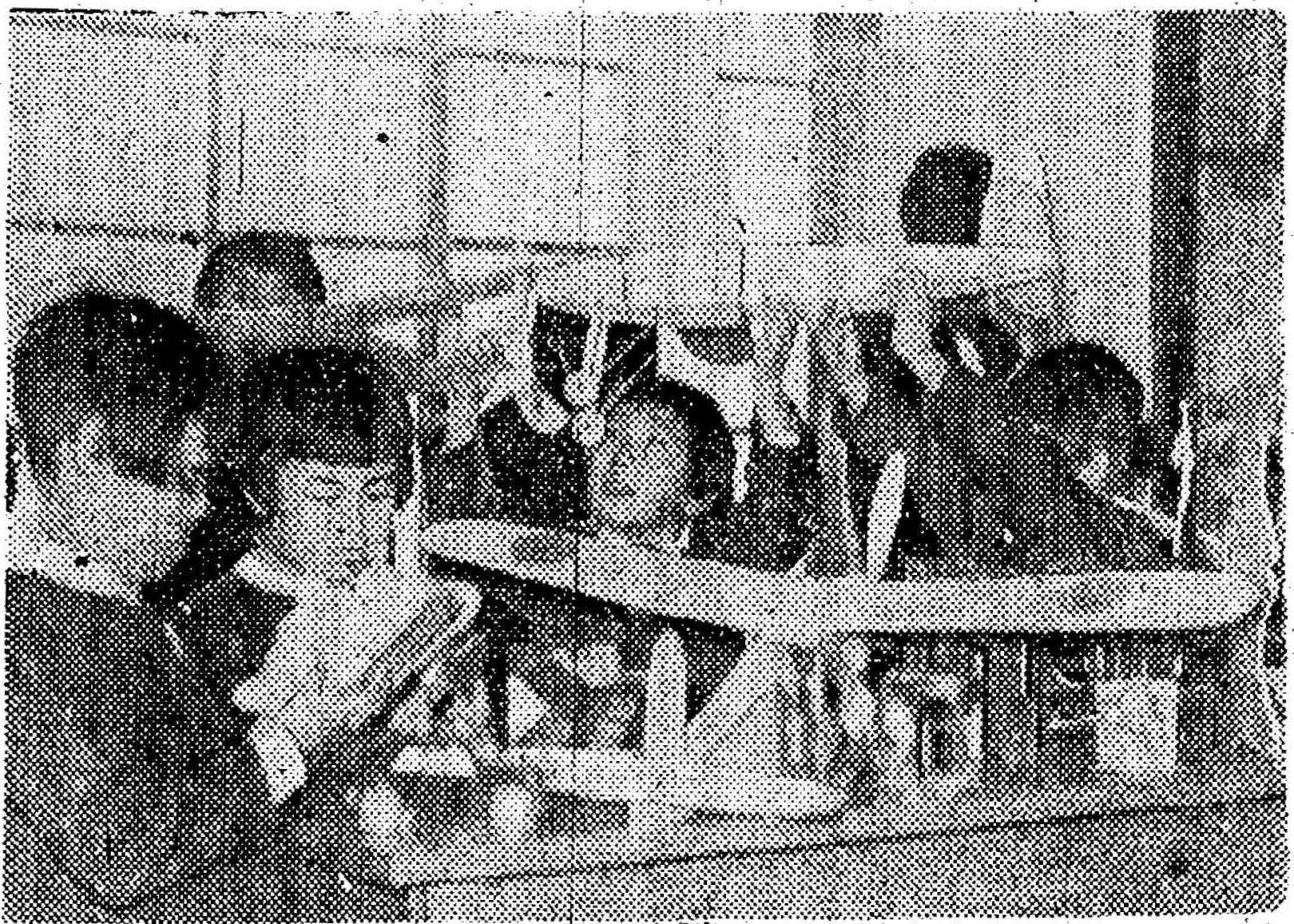
This year, too, from the 1st to the 10th, the People’s Health Campaign will be held simultaneously in all of Korea. The Korean Social Work Association, in cooperation with the Korean Federation of National Power and the Social Work Associations of the provinces, will launch the “Child Protection Campaign”. To spearhead the campaign, the Keijo Nippo head office held a “Child Protection Roundtable Discussion” as follows, inviting authoritative figures from various fields on the issues of nursing babies, infants, and women.
Mr. Nagai: For ten days from May 1, the Healthy People Movement will be conducted through various organizations, and the results of the Healthy People/Healthy Troops Movement have been spectacularly achieved with the collective consensus of 100 million people fighting a decisive battle. This month, we would like to hear your opinions from all of you about protecting children. The moderator is Dr. Amano. Dr. Amano, your thoughts?
Dr. Amano: The situation of the Greater East Asia War is becoming increasingly serious, and we need to think more deeply about childbirth and child rearing. The first and foremost issue is to give birth to many strong children. Since this is the only way, I believe that providing guidance on how to protect pregnant and nursing mothers is the first issue to be considered when discussing wartime life. Let’s start with Dr. Hata.
Dr. Hata: During the Second Sino-Japanese War and the Greater East Asia War, a large number of people were mobilized to the front lines, and in order to replenish this number, it is necessary to greatly increase the number of people behind the front lines. The reason why ancient Greece and Egypt were in such a state in the past is because of their excessive culture and misplaced population growth. What about the people of Japan? Japan is surrounded by the following countries. Across the Pacific Ocean is the United States with a population of 130 million. To the west is the Soviet Union, with a population of 170 million and the world’s highest population growth rate. China has 400 million people. In order to establish an East Asia Co-prosperity Sphere in the midst of such a situation, Japan must further increase its population.
In January 1941, the government established the Outline for the Establishment of Population Policy, which stated that Japan must produce 100 million people by 1960, and that each family should have at least five children. In Japan, however, the birth rate was 36.2 per 1,000 in 1920, 30.6 per 1,000 in 1937, and 26.7 per 1,000 in 1938, but as a result of the cooperation of the government, doctors, and others, the rate has gradually improved. The situation has been improved by the people’s awareness and the improvement of various institutions to prevent deaths, increase births, and prevent the transmission of tuberculosis to nursing babies and infants.
The age of marriage is being advanced to three years earlier within the next ten years, and in mainland Japan, the lending of marriage and childbirth funds is being discussed, and various facilities are being established to ensure healthy childbirths. According to an announcement by the Japan Gynecological Society in 1940, a survey of fetal deaths, assuming that the total number of conceptions in a year was 2 million, showed that there were 86,000 spontaneous abortions in the third month of pregnancy, which is four times the total number of births in Kyoto in a year, and over 50,000 stillbirths in the tenth month of pregnancy, which is the total number of births in Kyoto and Nagoya in a year. That means that 280,000 people are being lost between the first and tenth months of pregnancy, which is quite astonishing.
The high number of premature births, especially before delivery, is especially thought-provoking. We should use our efforts to prevent premature births, educate mothers about motherhood, and ensure the mental and physical health of mothers. In a nutshell, there is no other way to feed pregnant and nursing mothers than to prioritize them over healthier people by giving them more food rations.
Miscarriages can be caused by excessive labor, sexually transmitted diseases, endometritis, or a deficiency of progestin or vitamins, so it is essential to seek professional medical care at an early stage. Early treatment is essential to avoid miscarriage and to ensure a safe delivery.
Dr. Amano: Now that we have discussed the issue of overwork among women, I would like to hear your thoughts about this.
Dr. Hata: Statistics show that more than 50% of working women have irregular menstruation, and this is particularly high in printing factories, where 30% of pregnancies end in miscarriages. Of the 70% of pregnancies which end in delivery, 20% of the babies die due to weakness, which is a very serious problem, and it is necessary to protect working women and professional women. In mainland Japan, there are mandatory resting periods to provide adequate rest, and I think this is something that should be considered in the near future in Korea as well.
Dr. Amano: I guess shopping queues are not good for pregnant women these days.
Dr. Hata: They are not good at all. In mainland Japan, it seems that pregnant women are given priority in the distribution of food rations, and people are willing to give up their rights to each other in the queue.
Dr. Amano: Is it because of the lack of manpower? Something must be done about this.
Dr. Hata: The winter months are worse than the summer months, and there have been cases of miscarriages due to the passage of several hours.
Dr. Amano: If women are in the workforce for a long period of time as the war drags on, they will enter a wider range of men’s professions. If employers do not pay enough attention to their health in consideration of their employment, they may miscarry after pregnancy, or die soon after birth. What is the situation in mainland Japan?
Dr. Hata: As a result of the January 1941 regulations, mandatory rest and dormitory facilities seem to be going relatively well.
Dr. Tomura: At any rate, housewives nowadays bear an excessive burden in terms of air defense, patriotic organization events, and other household chores. There is a lot to consider about pregnancy and child rearing after delivery. I believe there is room for further investigation into the relationship between food and nutrition.
Ms. Kim: I always think about professional women. Some of them have miscarriages because they push themselves too hard before giving birth, and some of them fall into unexpected serious conditions due to lack of medical care after childbirth, partly because they cannot receive adequate treatment at hospitals. Because the family’s finances do not allow it, these failures are repeated, and precious human resources are lost.
Dr. Amano: In case of air raids, there is also the problem of how to treat pregnant women. How would you deal with such limitations?
Dr. Hata: I believe that it is better to evacuate the pregnant women until the seventh month, but not after that. The high rate of deliveries that take place at home instead of in hospitals is also a problem that should be given considerable thought. The number of deaths due to unexpected accidents and abnormal pregnancies during childbirth is over 100,000. At hospitals, the fetal death rate due to unexpected accidents is 0.6%, whereas it is 1.2% at home. At hospitals, the rate of breech births is 15%, whereas it is 30% at home. The rate of death is high due to inadequate treatment for neonatal asphyxia. Therefore, it is important that abnormal pregnancies be handled in hospitals and maternity hospitals as much as possible, from the standpoint of increasing the population. For this purpose, we need to build more maternity hospitals and other facilities that allow hospitalization at low cost. Otherwise, we will not be able to fully achieve our goal.
 |
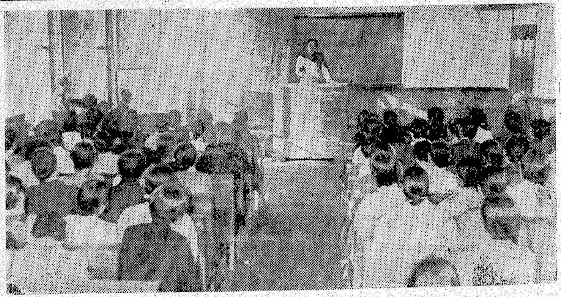
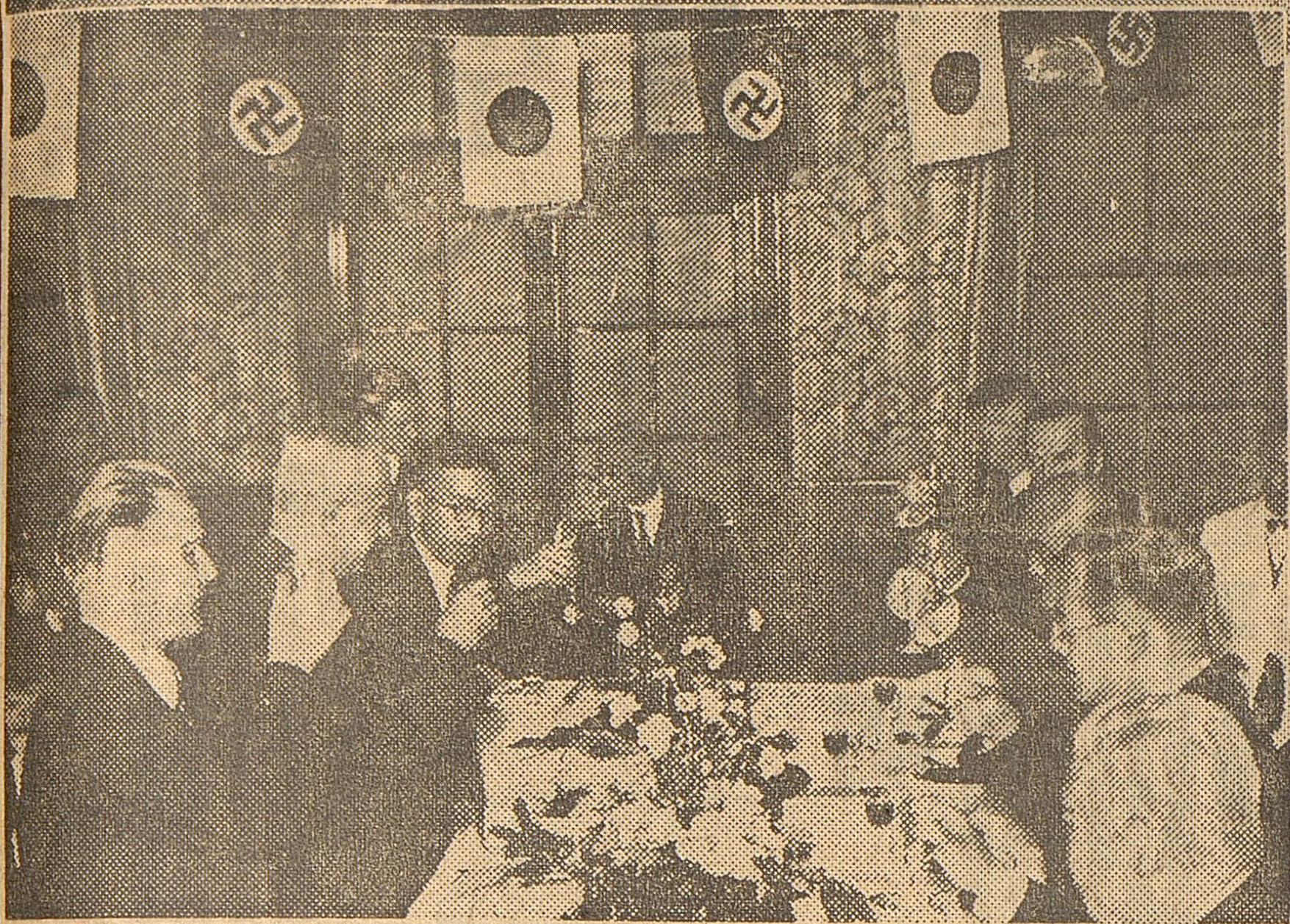
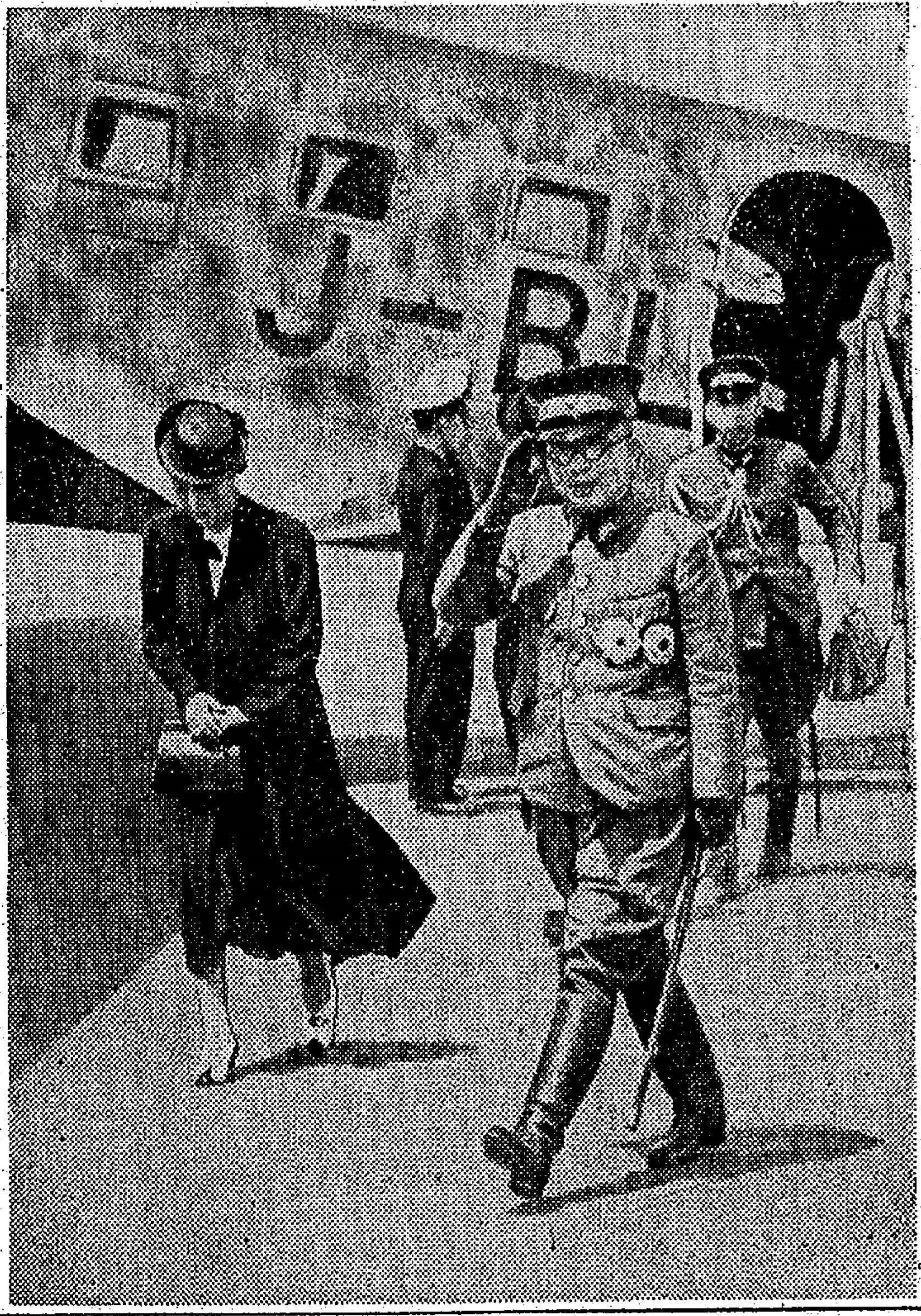
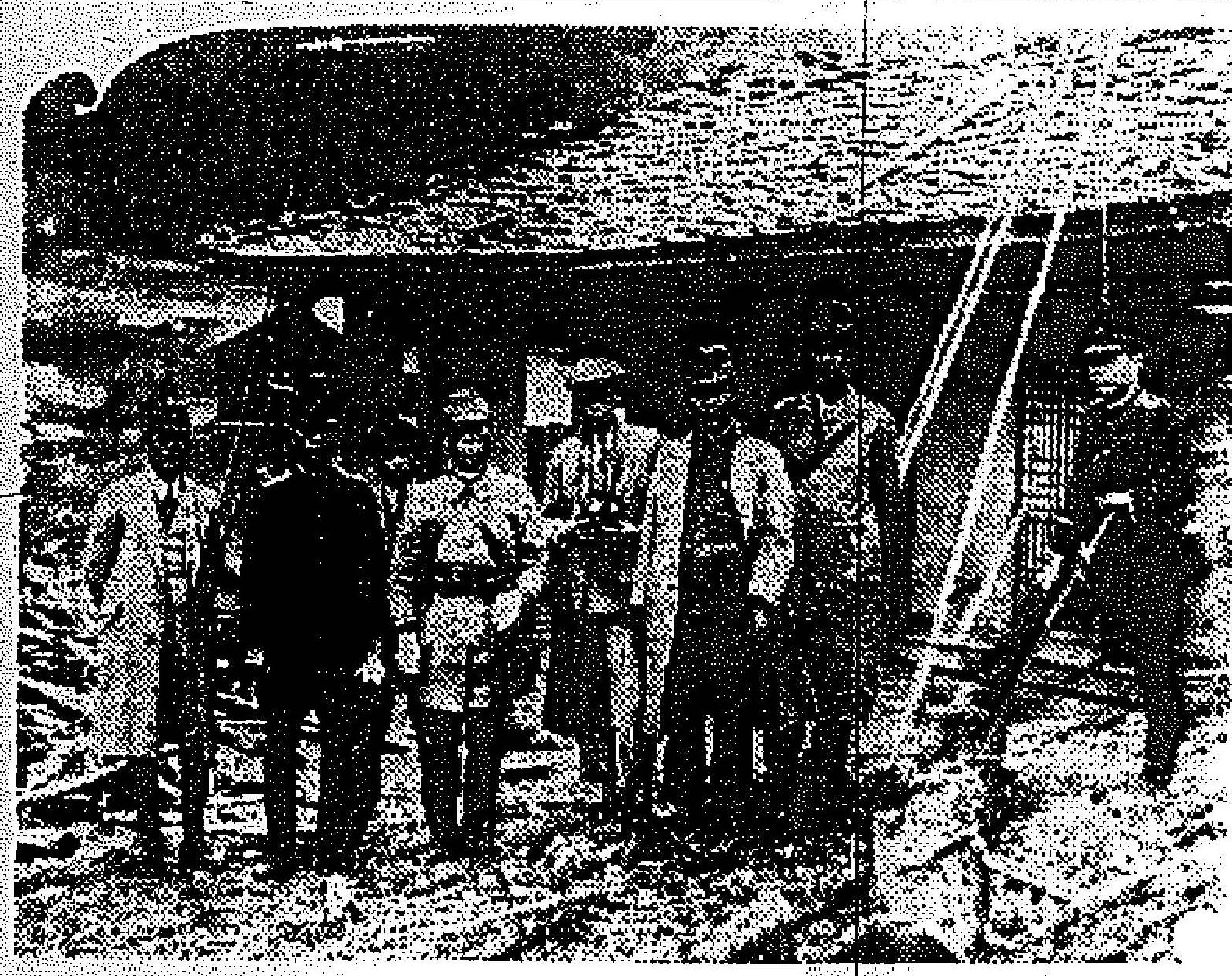
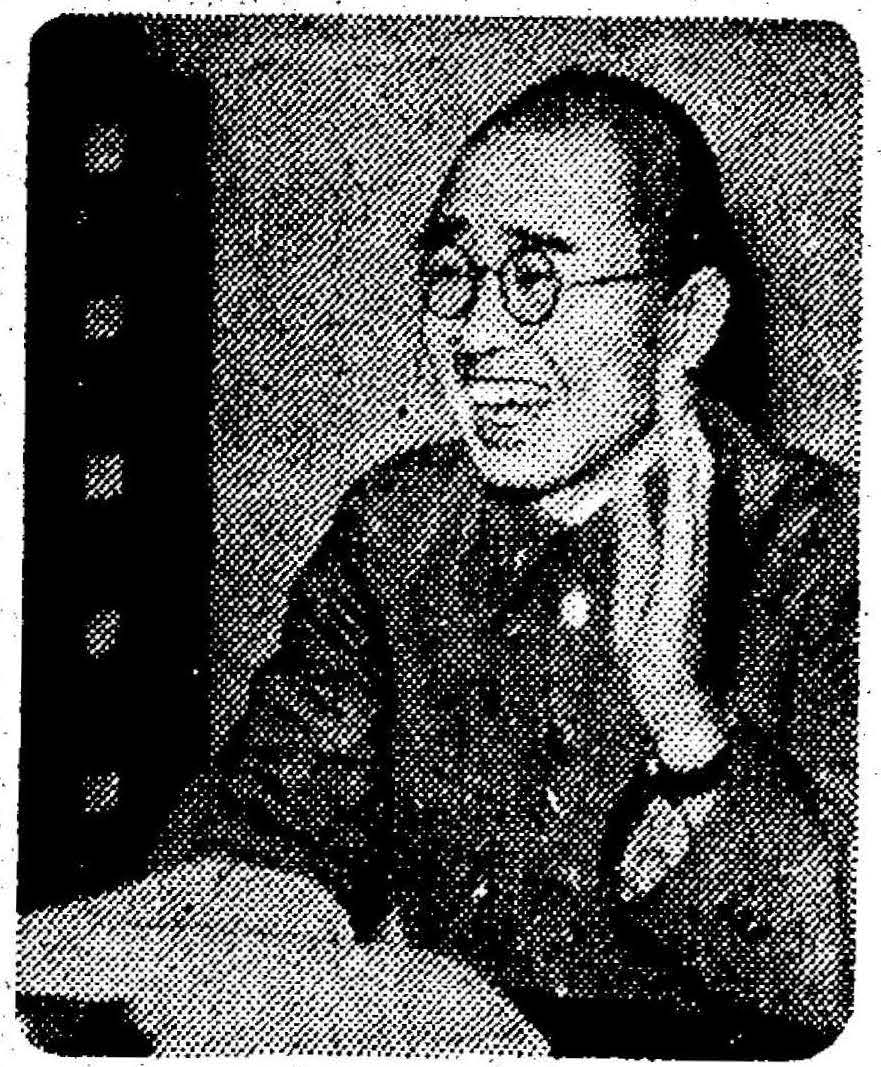
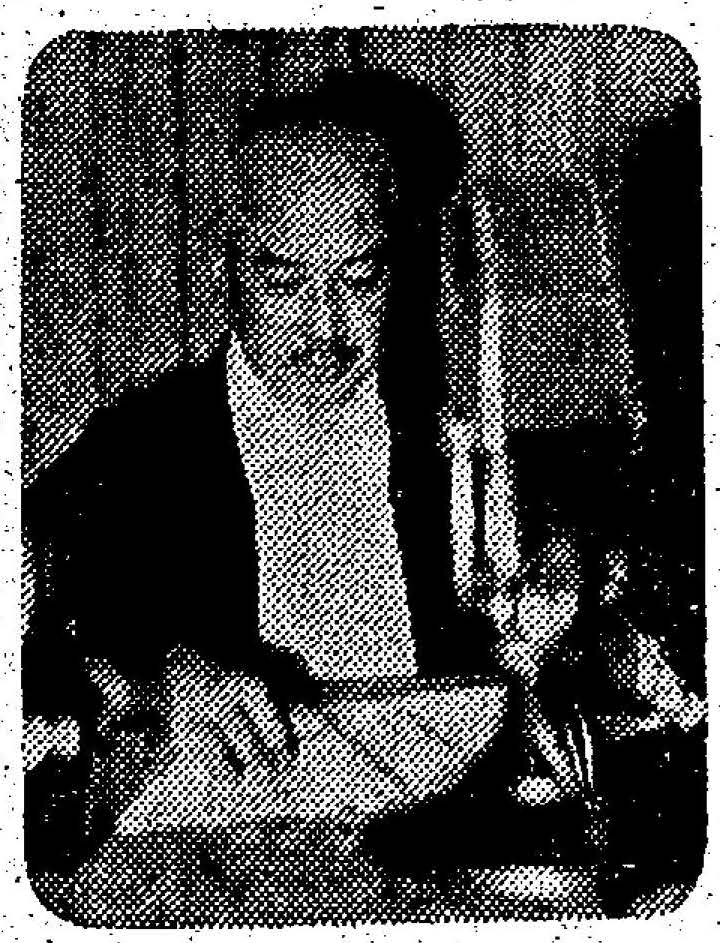
| [Photo: Roundtable discussion] |
Source: https://www.archive.org/details/kjnp-1943-05-01
Gyeongseong Ilbo (Keijo Nippo) May 2, 1943
Child Protection Roundtable Discussion (Sponsored by the newspaper head office) (Part 2 of 3)
Strong children come from healthy mothers
Weaning indigestion is frightening
Dr. Amano: What are your opinions on the protection of nursing babies and infants? What about artificial nutrition? What about the current food supply? Dr. Hironaka, your thoughts on this?
Dr. Hironaka: The infant mortality rate is high, especially for newborns. The death rate is particularly high for infants who are weak at birth, have weak vitality, or are born prematurely, so this has a close relationship with obstetrics and gynecology. As mentioned earlier, the nutritional condition of the pregnant woman is closely connected to vitamins and hormones, as well as genetics. You can say that, if the mother is strong, the child is also strong. Various postnatal disorders can be prevented to a great extent by the mother being attentive.
The main factor in preventing illness in infants is how to feed them, and formula feeding has a higher morbidity rate than breast milk. The first step is to feed the mother’s milk. However, recently the use of formula feeding has increased dramatically. I don’t know if it’s because of the shortage of the mother’s milk, but the use of powdered and blended milk substitutes has increased. Moreover, there is a shortage of these substitutes these days, which is a serious problem from a national perspective, and infants’ food should be given more consideration than that of adults.
In addition, there seems to be a shortage of pacifiers, which also needs to be considered. Secondly, there is a high mortality rate among infants during the weaning period after they grow bigger. This is due to the way food is fed, and should be considered more seriously than the problem of artificial nutrition. Eating at this age is truly difficult. They easily have diarrhea. In addition, mothers are suffering from the lack of eggs, small fish, tofu, and other foods. If babies overdo it and suffer from indigestion, they can hardly survive these days. Even if they do survive, the effects will be felt later on when they are older. I would like you to consider this and give sufficient thought to the distribution of food rations.
Dr. Amano: It is very difficult to raise children these days, isn’t it?
Mr. Nagai: It seems that there are no eggs or tofu. Milk, curd, and powdered milk are also limited these days because of the shortage, but we issue tickets in the cities, towns, and townships to those who need them who have a doctor’s certificate, so please apply for them without delay. In addition, cotton cloths for expectant and nursing mothers are also preferentially distributed to those with a doctor’s certificate.
Ms. Su’e: Speaking of breast milk, when my first child was born, I had a lot of breast milk, but with my second child, I was a little emotionally upset, so I had no breast milk at all. Perhaps there is a relationship with food and emotions?
Dr. Hata: At least half of the time, it has a great deal to do with mental effects. Also, when there is a shortage of breast milk, we try to give them dairy milk, but even then there may only be three gō (0.54 liters) or five gō (0.90 liters) of dairy milk to give them, the milk shipment may only come at 9 or 10, around 4 in the afternoon, or never. We are troubled by this, but we would like to get this done right somehow. There is also no bread, potato starch, etc. I would like to make a loud appeal on these points from the standpoint of child protection.
Dr. Amano: How is the growth of the fetus affected by meals?
Dr. Hata: According to last year’s statistics, there does not seem to be much of a relationship. Even if you look at the pregnant women in the lower classes, there is no significant effect on the fetus.
Dr. Amano: Insufficient nutrition of the mother and fetus and inadequate food for the infant cause many difficulties, but what about the teeth of the mother and child? Dr. Yao, please go ahead.
Dr. Yao: In Germany, children born after the last World War had bad teeth due to the extreme shortage of food supplies, and this is a problem that we have to think carefully about. Since tooth decay causes various diseases and causes a high mortality rate, if the distribution system is not smooth like nowadays, this result will appear in a few years, even if this problem does not appear now. Then this would mean that Japan will be following in the footsteps of Germany, and we will need to conduct good research into how these problems will manifest themselves in the future. Baby teeth grow from six months to two years of age, and permanent teeth grow from six to eight years of age. Many people think that it does not matter how many decayed baby teeth there are, but this is a serious mistake. When baby teeth have cavities, the permanent teeth that come in later are weakened, causing irregular dentition. This can also lead to the inability to take in sufficient nutrition in the future. Therefore, in order to have healthy permanent teeth, it is important to take good care of the baby teeth.
Pregnant women should also take care to nourish their children and ensure that they have healthy teeth. As Dr. Hironaka mentioned earlier, breastfeeding is better than artificial nutrition, and this is also true from the standpoint of dentistry. This is why rubber nipples for artificial feeding are not a good idea. When a nursing baby feeds on breast milk, it makes a sweaty effort and the mouth and neck become filled with blood, which stimulates the development of the cervical bone, and the baby grows smoothly. In this sense, breastfeeding is the best.
Dr. Amano: I see. That means that baby teeth are not to be treated as a trivial matter.
Dr. Yao: That’s right. There is no better way to treat cavities in baby teeth than to treat them as soon as possible. If it is in the early stages of decay, it can be filled with cement, and the cost will be lower. As for the cost, as I mentioned earlier, there are many cases where the costs for pregnant and nursing mothers do not go so well due to hospitalization. The other day, I went back to my hometown (Okayama) for a short while, and there, the prefectural government provides health insurance and hospitalization at a very low cost. For example, when my father was hospitalized, the hospitalization fee was 50 yen and the food cost was 1.20 yen, so the hospital services were much appreciated and used by the villagers. I would like to see this expanded in Korea as well. Next to the basic prevention of cavities, if you follow the second preventive method of using a toothbrush to remove food debris, you can be sure that you will never get a cavity. However, it is necessary to use the toothbrush in the correct way. You must use the brush in the “vertical” position. It is a big mistake to say that you should brush in the morning but not at night, because doing it at night before going to bed is the most effective way to prevent cavities.
Dr. Tomura: What is the difference between using salt and using toothpaste?
Dr. Yao: There is not much of a difference.
Dr. Amano: What about the education of young children at Seoul Friends Association?
Ms. Yajima: Yes, we have a group called “Friends Association” for children who will go to the National School (elementary school) next year (Tuesday group) and those who will be 5 or 6 years old (Wednesday group). The children attend once a week at Mr. Kojima’s home. We also put a lot of effort into teaching them how to brush their teeth. At five or six years of age, children like to show themselves off to other people, so we take advantage of this psychology to have them do things together, so that it becomes a great encouragement for them.
Dr. Amano: Ms. Choi, you seem to have raised many excellent children in spite of your busy schedule. Do you have any special methods to share?
Ms. Choi: In spite of my busy work at school (as a teacher), all three of my children have grown up to be strong and healthy. I am very careful when raising babies, but I think the most important thing is to feed them milk at the right time from the very beginning. Since it would inconvenience me at work when they sleep during the day and remain awake during the night, I asked my nanny to not let them sleep during the day as much as possible, to enforce the habit of sleeping well at night. I think that a well-regulated lifestyle is the special method for preventing illness.
Dr. Hironaka: That is a very good story.
Dr. Amano: So-called well-educated women do not always raise strong, good children, and there are a few examples of women who are not so well-educated but have done a great job of raising good children to bear the fruit of child protection. What kind of mother is considered a good mother? Dr. Hironaka, your thoughts?
Dr. Hironaka: In other words, children grow up well because they are raised well, and there are many women who do not understand this point very well. [laughter]
Mr. Nagai: There are also women who are self-centered in the way they soothe their babies. [laughter]
Ms. Kim: Since the mortality rate is high in Korea, I wish there were more nursing baby and infant care centers. I would like to see university hospitals and medical centers, including Asahi Medical Center, Japan Red Cross Hospital, and other hospitals, provide facilities for nursing babies and infants for thorough prevention and treatment, as well as attached maternity hospitals. The rise and fall of a nation depend on its infants, and even if they are born from the mother’s bosom, they are not the property of the individual, but rather they are the property of the nation.
Source: https://www.archive.org/details/kjnp-1943-05-02
Gyeongseong Ilbo (Keijo Nippo) May 3, 1943
Child Protection Roundtable Discussion (Sponsored by the newspaper head office) (Part 3 of 3)
Mothers, be strict with your children
Children should not be shy or timid
Mr. Iwasa: The Governor-General’s Office has been distributing a child-rearing calendar since January of this year. It is extremely detailed so that even first-time mothers can understand tips for pregnant women, childbirth and child-rearing methods by month, early treatment for illness, etc.
Ms. Su’e: Every Tuesday, the Green Banner League holds a nursing baby and infant counseling session at Chōjiya Japanese restaurant, and it has been a success every time. As of December, a total of 554 children have been examined. The number of consultations was 306: 110 consultations on breastfeeding, 18 consultations on artificial nutrition, and 177 consultations on weaning. In addition to distributing this infant calendar, we are researching how to prepare food for weaning, how to use clothes, how to make underwear, and so on, since there are supply shortages.
Ms. Yajima: How to spend the winter season is also a major issue, and we are collecting statistics among our members on whether it is better to use a warm ondol room or a stove because of the fuel shortages. Among active measures, infant exercises are also good, and I think it is also good for mothers to help their children do these exercises.
Mr. Ōtsuka: Last year we held a “Mother and Child Exhibition” for one week and it was packed, and this year we will hold it again with different content at the Ikueikai Educational Society. This year, we will hold a new lecture on childcare, and on the 7th, there will be a lecture by Dr. Izumi from Seoul University, and a movie night at the Seoul Citizens Hall.
Dr. Amano: Now I would like to turn to the issue of spiritual education for children.
Mr. Mine (Director of Social Affairs Department): Today, the issue of nursing babies and infants must be considered not only from the perspective of humanity, but also from the perspective of the nation – that is, the nation as a whole. Children up to the age of six should not be spoiled, selfish, shy, or depressed. The child demanded by the nation must be a strong, cheerful child who is able to grow and develop. I believe that there is such a thing as a small child with beautiful behavior and a lovely heart. If not, it is the mother’s fault. It can be said that the environment around them made them that way. For example, a child who breaks a shōji (paper sliding door) is a result of the mother’s slovenliness. A child who is shy around others is also not healthy.
Dr. Amano: As you just said, a mother’s attitude is certainly important. They are the children of the nation, so they need to be trained.
Ms. Su’e: A mother’s faithful devotion to all household chores, from morning to night, means that she is dedicated to His Majesty. I believe that the Japanese way of discipline is to bow down to His Majesty’s side.
Dr. Amano: I believe that there is a certain way to discipline children who are shy or timid, who will be of no use as the future leaders of the co-prosperity sphere. How do you deal with this at Seoul Friends Association?
Ms. Yajima: At Seoul Friends Association, we are often told that we do not scold our children enough, but our principle is that we want the children to notice us.
Dr. Amano: I believe that the previously prevailing individualistic and liberal attitude on children’s education must be abandoned in favor of a more holistic and nationalistic approach. What kinds of opinions do Korean people have on this?
Ms. Kim: I have heard from women’s groups from the provinces that, ever since the announcement of the conscription order, the basic ideas held by Korean children have completely changed, they have discovered a sense of purpose that they can become great soldiers of the Imperial Japanese military, and they are very happy about it. I would like to see the children thoroughly imbued with a sense of mission at this time.
Dr. Amano: Then there is the problem of children’s toys. Due to the scarcity of materials, we seem to be seeing some very poor quality toys. What kind of toys do you recommend, Dr. Hironaka?
Dr. Hironaka: First of all, they should be injury-proof. Poor quality paint is also dangerous. Educational toys are also important.
Ms. Su’e: As for how to give toys to children, I think that if you give toys to children on a day of national significance, such as the Tenchō’s Festival (the Emperor’s Birthday) or New Year’s Day, they will be more inclined to cherish the toys. There is a custom of giving toys as mere souvenirs, but I think this is the worst thing you can do.
Mr. Hong: I would like to see some kind of control over this practice, because inferior toys are made by merchants for their own profit. They cost two or three yen and break immediately. The psychological impact on a child’s mind is so serious that I have decided not to buy such toys for the past several years.
Mr. Mine: I am glad to see that there is more ingenuity and structure in the world of children, as the little ones at my place have been cleverly combining building blocks and the Chinese Checkers board to play games consistent with the times, such as pretending to sink U.S. warships.
Ms. Yajima: If you put colored paper on an empty box or a honeycomb box, it can be used as a doll house or as a train, and it is very useful.
Ms. Choi: Recently at my house, we have stopped using dolls, and my children are holding pillows and calling them their babies. [laughter]
Ms. Kim: I hope there will be an institute for research and guidance on child psychology. There have been many cases where children have become delinquents because they were not given proper guidance. I hope that the Governor-General’s Office will consider setting up an institute for this kind of psychological guidance in addition to the awards for excellent children.
Dr. Amano: In order to raise children to be physically strong and mentally strong, I think we should put more soul into their spiritual education. What is the best way to infuse strong spirituality into children?
How should we deal with children not only in national school education, but also at home? For example, we should lead a disciplined life by worshiping at the kamidana altar every morning, or we should naturally reflect this into our children by showing the strict attitude of parents who do not allow their spirit to be disturbed. If parents themselves maintain a winning attitude and strong spirit, their children will naturally follow them. According to the conventional school survey statistics in Japan, children from families that are financially very well off do not perform that well in school, while those from middle-class or lower-class families are actually more likely to produce upright individuals. I believe this is the result of parents who were not able to live up to their own expectations in their own lives, so they reflect a strict mentality onto their own children, wanting their children to live up to the parents’ own expectations, and this propels their children forward. I think we have run out of time, so we will close this discussion. =End=
Source: https://www.archive.org/details/kjnp-1943-05-03
(Transcription)
京城日報 1943年5月1日
児童愛護座談会 本社主催 (上)
生み出せあと一億
妊婦に障ります”行列買い”
出席者:
秦博士(城大婦人科)
天野博士(城大法文学部)
弘中博士(京城医専小児科)
矢尾博士(京城歯科医専)
須江愛子女史(緑旗聯盟)
矢島セイ子女史(京城友の会)
金珎禎女史(日婦朝鮮本部)
戸村金子女史(女医)
崔良窯女史(京畿高女)
永井総督府社会課長
岩佐同圏
大塚朝鮮社会事業協会主事
児島朝鮮聯盟厚生部理事
鄭毎新編輯局長
洪同社会部長
本社側:嶺社会部長、鈴木事業部長、香川記者
今年も一日から十日まで全鮮一斉に健民運動が実施される。朝鮮社会事業協会では聯盟及び道社会事業協会と協力『児童愛護運動』を展開するが、本社では愛護運動の先鞭をつけ、乳幼児婦人問題の各界権威者の参集をもとめ、次のように『児童愛護座談会』を催した。
永井:五月一日から十日間に亘って健民運動が各機関を通じて実施され、決戦下一億国民の総意を盛って華々しい健民健兵の実が挙げられますが、本月はここに児童愛護について皆さんから御意見を拝聴いたしたく思います。司会は天野先生どうぞ。
天野博士:大東亜戦争の様相も漸時深刻になって例えば出産育児の方面でも間々深く考えなければならないと思います。何といっても先決問題は丈夫な子を沢山産む。これしかないのでして妊産婦の保護指導こそは戦時生活を語る上に最初の問題になると思います。先ず秦先生から。
秦博士:支那事変、大東亜戦を通じて前線には大量に動員をみており、これが補充を図るためには銃後に於いてはウンと人口増殖を図らねばなりません。昔ギリシャやエジプトが何故ああいう状態になったかといえば、行き過ぎた文化から人口増殖を誤った處に原因しています。では日本の人々はどうなっているか。それは太平洋の彼方には一億三千万の人口を有するアメリカがあり、西には一億七千万の人口を有し、人口増殖率世界一というソ連あり、支那四億という国々に囲繞されている。その真っ只中にあって日本は東亜共栄圏を確立するためには人口の増殖は一段と要請されなければならない。
昭和十六年一月政府の定めた人口政策確立要綱によって昭和三十五年までに一億の人口を作らねばならないし、一家族に五人以上の子女を持つようとのお達示です。ところが我が国では大正九年千人に付き三六・二人の出生率が昭和十二年には千人に対し三〇・六人、同十三年に千人に対し二六・七人という数字を示したが、政府と医者その他が協力した結果、現在では漸時良好となっています。死亡を防ぎ出産を増やし、乳幼児の結核伝染を防ぐ等民衆の自覚と諸機関の充実で面目を一新しています。
結婚年齢も十年以内に三年は早めさせる目標で進んでおり、内地では結婚資金、出産資金貸与の方法も講ぜられて、健康な出産を望む諸施設が設けられている。昭和十五年、日本婦人科学会の発表によると、一年受胎総数を二百万として胎児死亡数を調査したところ、妊娠三月での自然流産が八万六千人で、これは京都市の一年間の総出産数の四倍に相当し、妊娠十月の死産が五万余りで、これは京都市、名古屋市の一年の総出産数に相当する。妊娠一月から十月までの間に二十八万人失われることとなり、今更驚くべきものがあります。
特に出産前の早産の数の多いことは考えさせられるが、早産の予防、母性の教育に意を用い、母性の精神的肉体的の健全を計るべきです。妊産婦の食事を簡単に話すと丈夫な人を制して妊産婦に先に多く配給する以外にはない。
流産の原因には過度の労働や花柳病、内膜炎によるもの、黄体ホルモン、ビタミンの欠乏によるものなどもあり、早期に専門医の治療を受けることが肝要です。初期なれば流産しないで無事分娩まで導くことが出来ます。
天野博士:只今婦人の過労の問題が出ましたが、之について一つ。
秦博士:統計では職業婦人には月経不順が多く五〇%以上であり、印刷工場には特に多く、妊娠しても三〇%は流産するという統計が出ております。生れた七〇%の中二〇%が弱質のため死亡するといった状況で相当考えさせられる問題であり、労働婦人や職業婦人を愛護する必要があります。内地では充分な休養を与えるためには強制休養等もあり、朝鮮でも早晩考えられていい事だと思います。
天野博士:昨今買い物行列は妊婦などにもいけないでしょうね。
秦博士:全くよくないです。内地では妊婦には優先的に配給するとか行列の中でお互いが譲り合う事が巧く行っているようですが。
天野博士:人手が足りないためからでしょうか。何とかせねばならないことですね。
秦博士:夏分よりとくに冬期が悪く、数時間経った為に流産した例もあります。
天野博士:長期戦に亘るといきおい、職業婦人が男子の分野に進出する領域も広くなるわけですから、就職に当っても使用者の側で考慮して健康に充分注意せぬと妊娠しても流産したり、折角生れても直ぐ死亡するといったことになるのではありませんか。内地の方ではどうしていますか。
秦博士:昭和十六年一月の規定が設けられた結果、強制休養や寄宿舎の設備等割に良く行っているようです。
戸村女史:兎に角、昨今は家庭にあっても防空関係、愛国班行事その他家事一切主婦の負担は過重で、妊娠中も出産後の育児についても考えさせられることは多く、食べ物と栄養の関係に就いても何とか考究の余地があるように思います。
金女史:私は職業婦人について常に思うんですが、妊娠してお産の前に無理をしたため流産したり、出産後の養生不足から思わぬ重態に陥る者もあり、病院での治療が充分に受けられぬためもあるようです。家庭の経済が許さぬため、かかる失敗を繰り返して尊い人的資源を失います。
天野博士:空襲の場合、妊婦をどう処置するかといった問題もあり、その限度についておよそ如何に扱うかですが。
秦博士:七月位までは非難させた方がよいが、それ以後の者は非難させぬ方が良いと思います。それからお産が病院で出来ず自宅でやる率の多いことも相当考えさせられる問題で、分娩の際、突発事故や異常妊娠による死亡約十万以上にのぼり、突発事故による胎児死亡は病院では〇・六%、自宅では倍の一・二%、逆児分娩では病院分娩一五%自宅では倍の三〇%であります。之は仮死の手当不充分なため死亡する率が高いのであります。それで異常妊娠は出来るだけ病院や産院でなされることは人口増殖の立前から重要なことと思います。そのためには産院などを多く建て廉い費用で入院出来る設備がほしいものです。でないと目的が充分達せられません。【写真=座談会】
京城日報 1943年5月2日
児童愛護座談会 本社後援 (中)
強い子は健母から
恐ろしいのは離乳期の消化不良
天野博士:乳幼児の育成保護について御意見をどうぞ。それに関連して人工栄養はどうか。現在の食糧はどうか、等に就いて弘中先生に一つ。
弘中博士:乳児時代は死亡率が高いんですが特に生れたてが高い。生れ乍らに体が弱いとか、生活力が微弱であるとか、早産児等がとくに死ぬわけで、これには産婦人科との関係が深い。妊婦の栄養の状態とか先程のお話にもありましたビタミン、ホルモンの関係とか、遺伝的関係も特に深いわけです。母が丈夫なら先ず大体子も丈夫といってよい。生後の色々な障害は母親の注意一つで相当防げるものと思います。
乳児の病気を防ぐには主に食物の与え方一つで人口補乳は母乳に比べると罹病率が高い。先ず母の乳を飲ませることです。處が近頃は人口栄養が非常に増えた。母乳の不足からか知らぬが代用粉乳、煉乳が多い。しかも昨今はこの代用品も品不足で国家的な見地から由々しき問題で、乳児の食物については大人の食物以上に考慮を払うべきです。
それから最近は『乳首』の品不足をみているようですが、これについても一考を要します。次に乳児が大きくなって離乳期の幼児の死亡率が高い。これは食物の『与え方』に依るもので、人工栄養の問題以上に深刻に考えて戴きたい。この頃の食事は真に難しい。すぐ腹をこわす。それに昨今は卵、魫、豆腐などがなくてお母さん方も苦しんでいます。無理をして消化不良を起こすと、この頃は殆ど助からぬ。助かっても後々大きくなってから影響が大きい。この辺を考慮し配給関係についても充分考えてほしいものです。
天野博士:成程昨今では子供を育てるのも大変ですね。
永井氏:卵、豆腐は無いようですね。牛乳や、煉乳、粉乳も昨今は品不足だから制限はしていますが、府邑面で切符を出し医者の証明で是非入要な向には町会を経て配給していますから手落なく申請して下さい。その他妊産婦用の綿布の如きも証明書で優先的に配給しています。
須江女史:母乳の話ですが、私は上の子が生れた際は乳も多かったんですが、次の時ちょっとした動揺を受けたらさっぱり出なくなった経験がございますが、食べ物や気分の関係があるんじゃないでしょうか。
秦博士:少なくとも半分位は精神作用が大いに影響します。また母乳不足の時牛乳を飲ませようとしても昨今は三合か五合、それも九時や十時に来たり午後四時頃届けたり、或いは全く無かったり等で弱ってるんですが、これは何とかキチンとやって貰いたいものです。それにパン、片栗等も無い。これらの点児童愛護の建前から声を大にして訴えたいのです。
天野博士:食事による胎児の発育状態は。
秦博士:昨年度の統計をみましても余り関係はないようです。下層階級の妊婦についてみても胎児に大して影響はないのです。
天野博士:母胎の栄養不充分とか幼児の食物不充分とかで色色と困難が伴いますが、産婦や子供の歯はどんなものでしょうか。矢尾先生どうぞ。
矢尾博士:独逸では前大戦後極端な物資不足から生れた子供の歯が悪かったのですが、これは我々としても相当考えさせられる問題だと思います。虫歯から色々な病気を引き起こし死亡率も高いものですから、昨今のように配給機構が不円滑ですと今は現れなくても数年後にこの結果が現れると、すると日本も独逸の轍を踏むことになるので、どういう状態で現れるかということをよく研究しなくてはなりません。乳歯は生後六ヶ月から二年まで生え永久歯は六歳から八歳までに生えるのですが、世間一般には乳歯の虫歯はいくらあっても構わんと考える向が多いのですが、これは大変な間違いで、乳歯がムシばまれると後に生える永久歯が弱くなり、不整歯列等の原因ともなり、将来充分な栄養も摂れぬ結果となります。ですから健康な永久歯を得るためには乳歯を大切にすることです。
又子供の為に妊婦は栄養を摂って健康な歯を作ることに心掛くべきで、このように前以て準備することが大切で後からではもう遅い。人工栄養より母乳によって育てよ、とは先程弘中先生からもお話がありましたが、歯科の方からもそれが言えるのでして、母体から乳を吸います為、努力を払い、頸の力を増してくる。人工栄養の際のゴムの乳首などは、こんな意味からむしろ良くありません。乳児の授乳の際は汗ばむ程の努力を払い、口や頸に充血しますが、これが刺激となって頸骨が発達し、順調に生え揃うわけです。そんな意味で先ず母乳が一番ですね。
天野博士:はあ、そうすると乳歯ぐらいと仲々馬鹿にならぬものですね。
矢尾博士:そうです。乳歯の虫歯は早く治療するに越したことはありません。ムシバの初期であればセメントで埋める程度で結構ですし、費用も安く上がるわけです。費用の点ですが、先程からお話に出ました妊産婦の問題でも入院の為に巧く行かぬ場合が多いんじゃないですか。先日郷里(岡山)へちょっと帰りましたが、向こうでは県の斡旋で健康保健が行き届いていて非常に安い費用で入院出来る。一例をあげると、私の父が入院の際入院料五十銭、食費一円二十銭といった具合で村人からも非常に喜ばれ、利用されているが、これは朝鮮にも拡めて貰いたいと思います。それからムシバの根本的予防についで、次に歯ブラシを使ってカスを除くこの第二の予防法を励行すれば絶対ムシバにならぬといってよいでしょう。もっとも之れには『正しいブラシの使い方』が必要になって来るんです。『タテ』に使うんですね。それから朝はやるが夜は面倒臭いというのは大へんな間違いで、夜寝る前にやるのが予防上効果が一番挙るわけです。
戸村女史:塩と歯磨き粉の相違はどんなものでしょう?
矢尾博士:大した違いはありません。
天野博士:では幼児の教育については『友の会』では?
矢島女史:はい、友の会幼児生活団というので火曜組来年国民学校に上る者、水曜組五、六歳で毎週一回児島さん宅で開いています。歯磨きの講習にも特別に力を入れていまして、五、六歳の子供の頃は他人へ見せびらかしの心理が働くので、これを利用して大勢でやりますと大へん励みになるのでございます。
天野博士:崔先生、あなたは多忙な中によく優秀な子さんを沢山お育てのようですが、何か秘訣でもお有りでしょうか。
崔女史:学校の仕事の多忙な中にもお蔭様で三人の子供はみな丈夫に育ちました。乳飲児を育てますには人一倍気を使いますが、何より初めから時間を正確に授乳することだと思いました。私の仕事の上からも昼寝て夜寝ないのは困りますので子守さんに頼んで極力昼は寝かさないよう夜はぐっすり寝る習慣をつけました。規則的な生活が病気させぬ秘訣のように思います。
弘中博士:本当に結構なお話ですね。
天野博士:いわゆる教養ある婦人必ずしも丈夫な良い子を育てず、そうでない婦人でも立派に児童愛護の実を挙げている実例も少ないのですが、どういう母が一体よい母ということになりましょうかね、弘中先生...
弘中博士:つまり子供はよく育てるからよく育つのであって、物分かりの悪い婦人も随分多いです(笑声)
永井氏:自分本位のあやし方をする婦人もありましてね(笑声)
金女史:朝鮮は死亡率が高いのですから、乳幼児の相談所の如きものはも少し沢山あって欲しいですね。大学病院、医専、旭医専、日赤その他に施療乳児院といったものを設けて戴いて予防や治療を徹底して戴き附設産院等も欲しいですね。国家の興亡は幼児からであり、母の懐から生れるものであっても幼児は各人のものでなく、国家のものであります。
京城日報 1943年5月3日
児童愛護座談会 本社後援 (下)
母よ子に厳しかれ
人みしり、物おじはよくない
岩佐氏:総督府では今年の一月から育児暦を配布しています。妊婦の心得や出産と月別育児法、疾病の早期手当等初めての母親でも分かるように詳細を極めています。
須江女史:毎週火曜丁子屋で開かれます緑旗聯盟主催の乳幼児相談所は回を重ねる毎に盛会です。十二月までに総計五百五十四名の子供の診察に応じました。相談件数は三〇六件、母乳について一一〇件、人工栄養について一八件、離乳期について一七七件でした。この乳児暦を配布するほか、資材難の折柄離乳期の食物の作り方、着物の利用法、肌着の作り方等種々研究しています。
矢島女史:冬季をどう過ごすかということも相当大きな問題ですし、燃料の関係から温突部屋とストーブとどちらが良いかなど会員間で統計をとっています。積極的には乳児体操なども良く、母親が助けてやらせることもよいと思います。
大塚氏:昨年は週間中『母と子の展覧会』を開いて満員でしたが、今年も育英会で内容を変えて開催致します。今年は育児講演会を新たに開き七日には府民館で城大泉先生の講演会と映画の夕が催されます。
天野博士:それでは子供の精神教育をどうするかという問題に入って戴きたいと思います。
嶺社会部長:今日では乳幼児の問題は唯単に人類的な立場からでなく、国家に通ずるもの、即ち国家的立場からすべてが考えられなくてはなりません。六歳位までの子供でも甘えたり我が儘だったり、人見しりしたり、沈鬱な子だったりではならない。国家が要求する子供は飽くまで明るく伸び伸びとした強い子でなければなりません。小さい子供で美しい動作、愛らしい心持の子供というものが存在するとおもいます。そうでない子供は結局母親が悪い。周囲の環境がそうさせたと云えると思います。例えば障子を破る子など母親がだらしないことに原因します。人みしりする子なども健全ではありませんね。
天野博士:只今の話のように母親の態度これは確かに重要ですね。国家の子供ですから錬成も必要です。
須江女史:母親は朝から晩までの家事一切を忠実に尽くすことが即ち大君に捧げまつることです。大君の辺にひれふす心が日本的躾だと思います。
天野博士:人みしりしたり物おじする様な子供は将来共栄圏の指導者として物の役に立たない子供の躾方には何とか要領があると思うんですが、友の会ではどんな風に?
矢島女史:友の会幼児生活団ではよく叱らな過ぎるといわれるんですが、私共では子供に気が付いて貰いたいのが主義です。
天野博士:子供の教育に当って個人主義的、自由主義的な従来の態度を一擲して全体的なるもの国家的なものに是正されなければならないと思いますが、この点半島の方の御意見はどんなものでしょうか。
金女史:地方からの婦人見学団なんかの話を聞いてみましても、徴兵令施行発表以来、半島児童の根本観念もすっかり変わって来て、自分達も立派な皇軍兵士になれるんだという目的意識を発見して喜び勇んでいるように聞いていますが、この際徹底的に児童の使命を吹き込んで貰いたいと思うんです。
天野博士:それから子供の玩具の問題がありますね。資材の少ない関係から随分粗悪なものを見受けるようです。どんな玩具が良いか、弘中さん一つ。
弘中博士:先ず怪我せぬようなもの。塗料の粗悪なものも危険です。教育的であること等が挙げられます。
須江女史:玩具の与え方なんですが、天長節とかお正月とか国家的な意義ある日に意味を含めて与えるようにすれば子供達は大事にする気になると思います。ちょっとした手土産風に持って行って与える風習があるが、あれば一番いけないことだと思います。
洪氏:粗悪玩具は商人が利益のために勝手に作るからでして、何とか統制して貰いたいものです。二、三円も出して直ぐ壊れて了う。これでは子供に満足感を与えた次の瞬間には失望を与えることとなり、その心理的に与える影響は由々しきものがあり、私などここ数年間買わぬことにしています。
嶺社会部長:私の處の小さい子供は積み木とダイアモンドゲームとを巧に組み合わせて米軍艦撃沈等の時局遊びを工夫していますが、子供の世界にも工夫や構成がなされることは喜ばしいことと思います。
矢島女子:空箱や蜜蜂箱に色紙を貼って使用すればママゴト遊びや汽車になったり随分重宝に使えます。
崔女史:宅では近頃人形を止めてマクラを赤ちゃんだと抱いています。(笑声)
金氏:児童心理の研究指導機関もあって欲しいと思います。幼児指導を過った為長じて不良化した事例も多いので、優良児童表彰の半面こういった心理の指導機関も総督府で考慮してほしいものです。
天野博士:子供は肉体的にも強いし精神的にもどこかしっかりした気魄のある者に育てるには精神教育に一段と魂を入れるべきだと思います。強い精神力を吹き込むには一体どうすればよいか。
国民学校教育においては勿論一般家庭においてもどんな風に扱うべきか。これについては例えば毎朝神棚を礼拝して規律正しい生活を送るとか、精神を乱すことを許さぬ親の厳格な態度を示すことによって自然に子供に反映させるとかですね。親自身が勝ち抜く態度と強い気魄を堅持すれば自然子供はついてゆくと思います。従来の日本の学校調査統計によってみても家庭の経済力の豊かな家の子供は成績が余り芳しくなく、中流又は下層家庭から返ってしっかりした者が出ている。これは親は自分の希望に及びつかなかったから、せめて子供には追いつついて貰いたいと云う精神の厳しさが子供に反映して常に後押しする結果だと思います。では時間も参りましたから、この辺で閉会致します。=終=